
How to Write a CV That Gets Remote Jobs From Nigeria
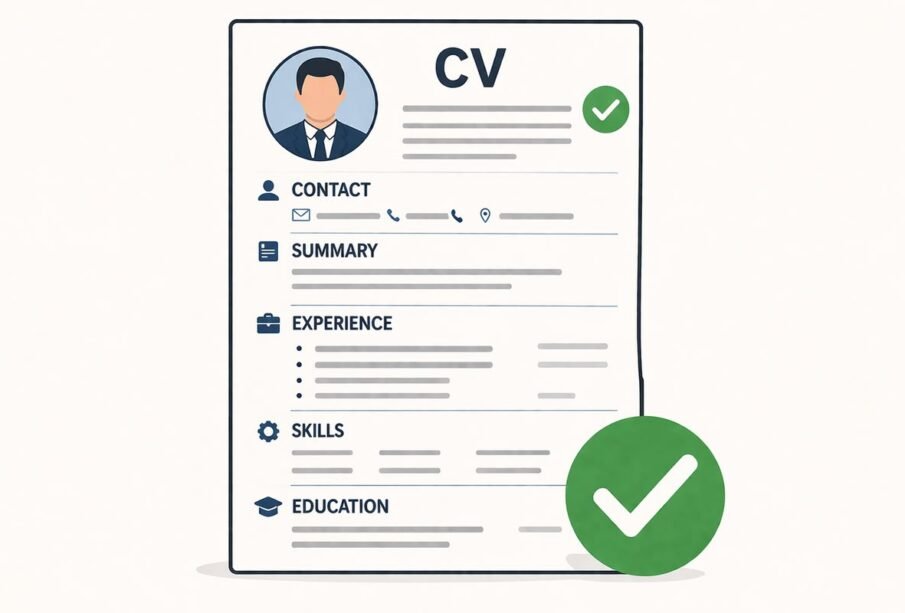
How to Write a CV
A strong remote-job CV from Nigeria should show an employer what you can do, what results you have achieved and why you can perform the role effectively from a distance.
It should also make your location, relevant skills, work experience and availability easy to understand. You do not need an expensive CV template or years of international experience. You need a clear document that matches the vacancy and provides evidence of your ability.
Remote employers may receive applications from several countries, so your CV must communicate your value quickly. A recruiter should not have to guess whether you can use the required software, manage deadlines independently or communicate with colleagues in different time zones.
Whether you are applying for customer support, virtual assistance, software development, graphic design, digital marketing, writing or administrative roles, the same principle applies: make the employer’s decision easier by presenting relevant evidence.
What You Need Before Writing Your CV
Prepare these items before you start:
- A specific job advert: Use an actual vacancy to identify the employer’s requirements.
- Your work history: Include paid employment, freelance projects, internships, volunteering and relevant personal projects.
- Your achievements: Collect examples, figures and outcomes that demonstrate your contribution.
- Your skills and tools: List software, technical skills, communication abilities and industry knowledge relevant to the role.
- Your contact details: Use a professional email address, reachable phone number and appropriate professional profile.
- Evidence of your work: Prepare a portfolio, project links, writing samples, GitHub profile or other relevant proof.
- A simple document editor: Microsoft Word or Google Docs is sufficient for a professional CV.
Keep sensitive information such as your National Identification Number (NIN), Bank Verification Number (BVN), bank login details and one-time passwords out of your CV.
How to Write a Remote-Ready CV: A Step-by-Step Guide
Step 1: Study the Job Description Before Writing
Do not begin by sending the same CV to every remote employer. Read the job advert carefully and identify the responsibilities, essential qualifications, preferred skills, software and experience the employer expects.
Create a short list of the most important requirements. For example, a remote customer support role might request:
- Excellent written communication.
- Experience handling customer enquiries.
- Familiarity with help-desk software.
- Ability to work independently.
- Availability during specified hours.
A graphic design vacancy may prioritise Adobe Photoshop, Illustrator, Figma, brand design and portfolio evidence instead.
Now compare these requirements with your experience. Highlight the areas where you have genuine evidence. Do not claim a skill simply because it appears in the advert.
Official reference: The UK National Careers Service provides guidance on tailoring applications and preparing CVs. See its CV advice.
Step 2: Choose a Clear and Professional CV Structure
Your CV should be easy to scan on a computer or mobile device. Use a simple layout with standard headings and a logical order.
A practical structure is:
- Full name and contact details.
- Professional headline.
- Short professional summary.
- Key skills.
- Work experience and relevant projects.
- Education and certifications.
- Portfolio or professional links.
For most early- and mid-career applications, one or two pages will be sufficient. However, follow the employer’s instructions if the vacancy requests a particular format or length.
Use a readable font such as Arial, Calibri or Aptos. Keep headings consistent, use sensible spacing and avoid decorative elements that distract from the information.
Many employers use applicant tracking systems (ATS) to organise applications. These systems vary, so no design can guarantee that a CV will pass every automated screening process. Nevertheless, a straightforward document with conventional headings, selectable text and a clear reading order is a sensible choice.
Avoid putting essential information inside complicated graphics, text boxes, multiple columns or decorative icons. Submit the file type requested by the employer. If the advert accepts either Word or PDF, use a clean PDF and check that the text remains selectable.
Official reference: The UK National Careers Service explains how to organise CV sections. For technical context on how recruitment systems interpret documents, see Greenhouse’s explanation of recruitment and resume parsing.
Step 3: Write a Professional Headline and Summary
Your headline should tell the employer what you do. Avoid vague descriptions such as “Hardworking Individual Seeking Employment”.
Instead, use a specific professional title that reflects your experience and the vacancy.
Examples include:
- Remote Customer Support Specialist
- Junior Motion Graphics Designer
- Virtual Assistant and Administrative Support Professional
- Front-End Developer
- Social Media and Content Assistant
Follow the headline with a short summary of three to five lines. Explain your relevant experience, strongest skills and the value you can offer.
For example:
Junior Motion Graphics Designer with experience creating short promotional videos, social media animations and visual content. Comfortable working with Adobe After Effects and Premiere Pro, developing concepts and organising project files. Interested in remote creative roles that involve collaboration, clear deadlines and visual storytelling.
Only use statements that accurately reflect your abilities. If you are a beginner, say so confidently and support your application with practical projects rather than pretending to be a senior professional.
Official reference: The Bayelsa State Ministry of Youth Development’s Career Planning and Job Search Guide outlines the importance of a clear CV structure, contact information, experience, education and relevant skills.
Step 4: Show Results Instead of Listing Duties
A weak CV tells an employer what your previous job required. A stronger CV explains what you actually contributed.
Compare these examples:
| Weak description | Stronger description |
|---|---|
| Responsible for social media posts | Created and scheduled weekly social media content across three platforms |
| Worked in customer service | Responded to daily customer enquiries and recorded recurring complaints |
| Designed graphics for clients | Produced promotional graphics for product launches and social campaigns |
| Assisted with office administration | Maintained digital records, organised appointments and prepared weekly reports |
Where possible, include accurate numbers. You might mention the number of customers served, projects completed, videos edited, reports prepared or social media posts scheduled.
Do not invent impressive statistics. If you cannot quantify the result, describe the task and its practical outcome honestly.
Official reference: Shell Nigeria’s CV and graduate programme guide recommends supporting personal qualities with evidence and linking experience to the requirements of the role.
Step 5: Present Freelance Work, Internships and Personal Projects Properly
You do not need to have worked for a large international company before applying for a remote job. Employers can assess relevant experience from several sources, provided you describe it accurately.
You can include:
- Freelance assignments.
- Personal projects.
- Internships.
- Volunteer responsibilities.
- Student projects.
- Community work.
- Practical training assignments.
For example, if you are applying for a motion graphics role, you could include a self-initiated animated advert, an explainer video or a short interface animation.
Describe the project, your responsibility, the tools you used and what you produced. If you worked with a client, mention the client’s permission before sharing confidential material.
A portfolio can be especially useful for creative roles. Include a direct link to a website, Behance page, Vimeo channel or other suitable platform. Check that the link works without requiring the recruiter to request access.
For business and equipment inspiration, you can also explore Brand Envoy’s guide to 15 profitable foodstuff businesses to start in Nigeria with minimal capital. It may help readers considering business-related content, design or marketing projects build practical portfolio examples around real industries.
Official reference: Shell’s CV guide recognises paid, voluntary and shadowing experience as relevant material when presented accurately.
Step 6: Make Your Remote-Work Readiness Visible
Remote employers need to know that you can manage work without someone physically supervising you.
Do not simply write “excellent communication skills” or “good at working independently”. Give examples that demonstrate those abilities.
You might mention:
- Coordinating tasks with colleagues through email or project-management tools.
- Meeting deadlines while working independently.
- Preparing written updates for clients.
- Managing several projects using a digital task board.
- Attending online meetings and documenting action points.
- Handling customer enquiries through chat, email or telephone.
Also explain your location and availability clearly. For example:
Based in Lagos, Nigeria | West Africa Time (WAT, UTC+1) | Available for agreed UK and European working hours.
Only state availability that you can genuinely maintain. If a vacancy requires regular overlap with North American working hours, check the schedule and your personal commitments before applying.
Official reference: The UK National Careers Service provides guidance on presenting relevant skills and experience. Always check the location and working-hour requirements in the employer’s own vacancy.
Step 7: Include Education and Certifications That Support the Role
List your most relevant educational qualifications, starting with the most recent. Include the institution, qualification and completion date where appropriate.
You can also include professional courses and certifications that demonstrate job-related skills.
Examples might include:
- Google Digital Marketing and E-commerce Certificate.
- Microsoft Office or Excel training.
- Customer service training.
- Programming or web development courses.
- Adobe software training.
- Project management qualifications.
A certificate should support your application, not replace practical evidence. Focus on relevant projects, training and demonstrated ability.
Official reference: The Bayelsa State Ministry of Youth Development’s career guide includes education, certifications, achievements and relevant skills among the recommended CV sections.
Step 8: Review Your Personal Details and Protect Your Information
A remote job application should contain enough information for an employer to contact you, but it should not expose unnecessary personal data.
Your CV will normally need your name, professional email address, phone number, location and relevant professional links. Avoid including sensitive identifiers such as your NIN, BVN, bank account login details or passwords.
Do not assume every foreign employer expects a photograph, date of birth or marital status. Follow the employer’s actual application requirements and the conventions of the country where the job is based.
Be especially careful when a recruiter asks for identity documents before you have verified the employer and reached an appropriate stage of recruitment.
The US Equal Employment Opportunity Commission explains that certain personal characteristics are irrelevant to hiring decisions under US federal discrimination laws. Its guidance also advises employers to avoid unnecessary questions about protected characteristics.
Official reference: Read the EEOC’s guidance on prohibited employment policies and practices. This is US guidance, not a statement of Nigerian employment law, but it helps explain why many international employers focus CVs on job-related information.
Step 9: Proofread and Test the Final Document
Before sending your CV, read it slowly and check for errors. Confirm that your contact details are correct, the dates are consistent and the portfolio links open properly.
Ask someone with good writing skills to review it if possible. You can also read it aloud to identify awkward sentences.
Use this final checklist:
- Does the CV match the vacancy?
- Is the professional headline relevant?
- Does the summary explain your value?
- Are achievements supported by evidence?
- Are dates and job titles accurate?
- Are the skills relevant to the role?
- Does the portfolio link work?
- Is the layout easy to read?
- Have you followed the employer’s file-format instructions?
- Have you removed unnecessary sensitive information?
Save the final file with a professional name, such as John_Basil_Customer_Support_CV.pdf, rather than New_CV_Final_Final2.pdf.
Step 10: Submit a Tailored Application and Keep Records
A good CV is only one part of the application. Follow the employer’s instructions, complete required forms and include a cover letter when requested.
Write a short, relevant cover letter that explains why you are interested in the role and how your experience matches its requirements. Do not repeat every line of your CV.
Keep a record of the companies you apply to, the role titles, dates, application links and follow-up instructions. This will help you avoid duplicate applications and prepare for interviews.
Most importantly, verify the vacancy before sharing documents or accepting an offer. Check the company’s official website and careers page. Confirm that the recruiter uses a legitimate company email address. Be suspicious of anyone demanding payment for registration, training, equipment, interview access or a promise of employment.
The Federal Competition and Consumer Protection Commission has published consumer information and warnings about misleading commercial practices. You can consult the FCCPC website for consumer protection information. Never send money simply because someone claims they can secure you a remote job.
A Simple Remote-Job CV Example
Use this structure as a starting point and replace the sample details with your own verified information.
FULL NAME
Lagos, Nigeria | +234 XXX XXX XXXX | professional@email.com | LinkedIn or portfolio link
PROFESSIONAL HEADLINE
Remote Customer Support Assistant
PROFESSIONAL SUMMARY
Customer support professional with experience responding to customer enquiries, documenting issues and providing clear product information. Comfortable using email, chat and digital communication tools. Organised, detail-oriented and able to manage assigned tasks independently.
KEY SKILLS
- Written communication
- Customer enquiry management
- Email and chat support
- Microsoft Excel
- Digital record-keeping
- Time management
EXPERIENCE
Customer Support Assistant — Sample Business
January 2025 – Present
- Respond to customer enquiries through WhatsApp and email.
- Record complaints and follow up on unresolved issues.
- Share accurate product and delivery information.
- Maintain organised customer records.
PROJECTS
Customer Support Process Improvement — Personal Project
- Developed a sample frequently asked questions document.
- Created response templates for common customer enquiries.
- Designed a simple spreadsheet for tracking enquiries and resolutions.
EDUCATION AND TRAINING
List your relevant qualifications and completed courses.
PORTFOLIO OR PROFESSIONAL LINKS
Include only links that are relevant to the role and ready for an employer to review.
Your CV Should Open the Door, Not Make Promises You Cannot Keep
Remote work offers opportunities for Nigerians across creative, technical, administrative and customer-facing professions. However, competition can be strong, and a CV alone cannot guarantee an interview.
Focus on presenting genuine skills, relevant experience and clear evidence of your work. Tailor each application, protect your personal information and verify vacancies before proceeding.
A simple, honest and well-organised CV gives employers a clearer reason to consider you. More importantly, it gives you a professional foundation for building a remote career from Nigeria.
Frequently Asked Questions
1. Can I get a remote job from Nigeria without previous remote-work experience?
Yes. You can demonstrate relevant skills through local employment, freelance assignments, internships, volunteering and personal projects. Explain how those experiences prepared you to communicate, manage deadlines and complete tasks independently.
2. Should I include my photograph on a remote-job CV?
Only include a photograph when the employer specifically requests one and the request is appropriate for the role and location. Many international employers do not expect photographs. A clean CV focused on relevant skills and experience is generally a safer starting point.
3. How many pages should my remote-job CV have?
One or two pages will suit many early- and mid-career applicants. Experienced professionals with substantial relevant work may need more space. Prioritise useful information and follow the employer’s instructions rather than forcing your CV into an arbitrary length.
4. Do I need a portfolio to apply for remote jobs?
Not every role requires one. However, a portfolio is valuable for designers, writers, developers, video editors and other professionals whose work can be demonstrated. For administrative or customer support roles, relevant work samples or examples of organised processes may also help.
5. How can I identify fake remote-job offers?
Check the employer’s official website, verify the recruiter’s email domain and confirm that the vacancy appears on a legitimate careers page. Be cautious of unrealistic salaries, rushed offers and requests for application, training or equipment fees. Never share your BVN, NIN, passwords or banking login details with an unverified recruiter.



Leave a reply




Africa’s Source for Breaking News | Entertainments | Health | Finance | Sports | Lifestyle and Business News.


