
Ethiopia’s Response to Climate Shocks
How Ethiopia Is Responding to Climate Shocks Facing Farmers
How Ethiopia Is Responding to Climate Shocks Farmers Can’t Ignore
Across Ethiopia, farming families are facing a difficult reality: the weather they once relied on is becoming harder to predict. Rain may arrive late, dry spells may last longer than expected, and sudden floods can destroy crops that took months to grow. For farmers who depend on seasonal rainfall, these changes threaten not only their harvests but also their incomes, food supplies and family security.
Ethiopia is particularly vulnerable because agriculture remains a major source of employment and supports millions of livelihoods. Climate shocks are adding pressure to existing challenges, including land degradation, limited irrigation, rising production costs and food insecurity. However, the country is not standing still. Government programmes, development organisations, researchers and farming communities are exploring practical ways to protect agriculture and strengthen resilience.
From climate-smart farming to watershed restoration, Ethiopia’s response offers important lessons for other African countries dealing with increasingly unpredictable weather.
Why Climate Shocks Are a Serious Threat to Ethiopian Farmers
Ethiopia’s diverse landscapes create different agricultural challenges. Some areas experience prolonged drought, while others face intense rainfall, flooding and soil erosion. These conditions can occur within the same country, making a single national response insufficient.
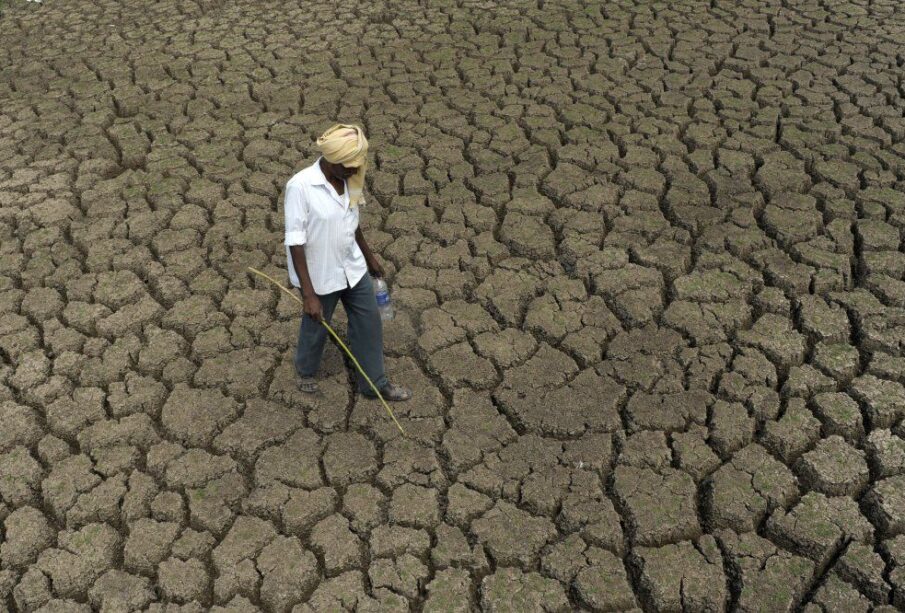
In drought-prone regions, insufficient rainfall can prevent seeds from germinating and leave crops struggling throughout the growing season. Livestock farmers also face shortages of pasture and water. When animals become weak or die, households lose valuable assets, milk supplies and sources of income.
Excessive rainfall creates another set of problems. Floods can wash away fertile topsoil, damage roads and destroy fields. Even when crops survive, irregular rainfall can reduce yields and affect their quality.
Climate shocks also have economic consequences. Farmers may spend money on seeds, fertiliser and labour only to lose much of their investment. Lower harvests can push food prices upward, affecting households that already struggle to afford basic necessities. Women and smallholder farmers with limited access to credit, irrigation and agricultural services often face particularly difficult choices.
Climate-Smart Agriculture: Helping Farmers Adapt
One important part of Ethiopia’s response is climate-smart agriculture. This approach aims to improve productivity while helping farmers adapt to changing weather and reduce environmental damage.
Practical methods include planting drought-tolerant crop varieties, adjusting planting dates, rotating crops and using soil conservation techniques. These measures can help farmers manage rainfall uncertainty and protect their harvests.
For example, a farmer in a drought-prone area may choose a crop variety that matures quickly and requires less water. Another farmer may combine cereals with legumes to improve soil fertility and diversify household food production.
Agricultural extension workers also play an important role by sharing information about improved farming practices, pest management and crop selection. However, advice must reflect local conditions. A technique that works in the highlands may not be suitable for a dry lowland community.
Access remains a major concern. Climate-smart seeds, training and equipment can be expensive or difficult to obtain. Expanding affordable agricultural services is therefore essential if these solutions are to reach the farmers who need them most.
Expanding Irrigation and Improving Water Management
Dependence on seasonal rainfall leaves farmers exposed whenever rains fail. Irrigation offers a way to reduce that dependence by providing water when crops need it most.
Ethiopia has significant potential to expand small-scale irrigation, particularly through community-managed schemes, water harvesting and carefully planned groundwater use. Farmers can collect rainwater, store it in reservoirs and use efficient irrigation methods to support crop production during dry periods.
Small-scale irrigation can also allow farmers to grow vegetables and other higher-value crops outside the main rainy season. This may improve household nutrition and create additional income opportunities.
Nevertheless, irrigation infrastructure requires investment, maintenance and responsible water management. Poorly managed systems can create conflict over limited supplies, while excessive groundwater extraction can undermine long-term sustainability. Ethiopia therefore needs solutions that balance immediate agricultural needs with the protection of rivers, groundwater and surrounding ecosystems.
Restoring Degraded Land and Protecting Soil
Healthy soil is one of the strongest defences against climate shocks. When soil loses its nutrients and vegetation cover, it becomes less productive and more vulnerable to erosion.
Ethiopia has pursued landscape restoration through watershed management, tree planting, soil conservation and rehabilitation of degraded land. These efforts can help slow runoff, reduce erosion and improve the land’s ability to retain moisture.
Terracing, planting vegetation along slopes and establishing agroforestry systems can make farms more resilient. Trees may provide shade, fuelwood, fruit and other products while helping protect soil. Restored watersheds can also improve water availability and support local ecosystems.
Community participation is critical to these initiatives. Farmers are more likely to maintain conservation measures when they understand the benefits and have a meaningful role in planning them. Restoration must also consider local land rights, grazing needs and the availability of land for food production.
Although these efforts cannot eliminate droughts or floods, they can reduce the damage climate shocks cause over time.
Using Climate Information and Early-Warning Systems
Farmers need more than seeds and equipment. They also need reliable information about approaching weather conditions.
Seasonal forecasts, rainfall updates and early-warning systems can help farmers decide when to plant, which crops to select and when to move livestock away from danger. Timely warnings may also help communities prepare for floods and protect stored food.
Ethiopia can strengthen this response by improving communication between meteorological agencies, agricultural extension services and rural communities. Information delivered through local radio, mobile phones and trusted community networks can reach farmers who have limited internet access.
However, forecasts must be understandable and relevant to local farming decisions. A general prediction of below-average rainfall is less useful than clear guidance explaining what farmers can do to reduce potential losses.
Access to accurate information, combined with practical support, can turn early warnings into meaningful action.




Leave a reply




Africa’s Source for Breaking News | Entertainments | Health | Finance | Sports | Lifestyle and Business News.


