
Press Freedom in Malawi: What Journalists Face Today
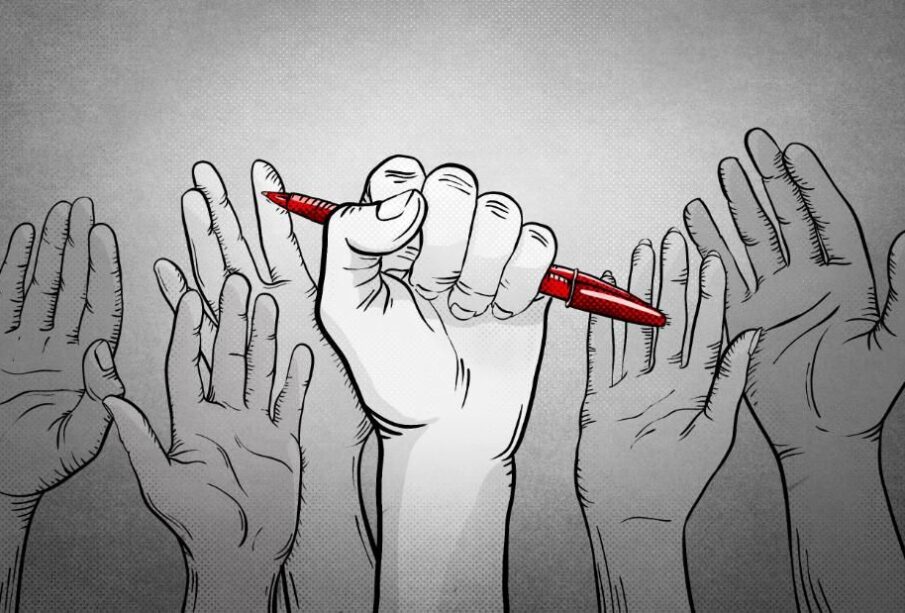
What Journalists Face Today
Press freedom in Malawi has made progress in some areas, but journalists continue to face political pressure, intimidation, online harassment and threats linked to their reporting.
Although the country’s legal framework recognises freedom of expression, the ability to investigate powerful individuals and institutions without fear remains a significant concern.
The challenges are not limited to journalists working for major newspapers or broadcasters. Reporters, editors, photographers, online publishers and community media practitioners all need an environment where they can gather information, question public officials and publish findings without unlawful interference.
Where Does Malawi Stand on Press Freedom?
Malawi’s position in the 2026 World Press Freedom Index offers a mixed picture. Reporters Without Borders (RSF) ranked the country 69th out of 180 countries, with a score of 60.96. This represented an improvement from 76th place in 2025.
However, a better ranking does not mean that journalists can work without pressure. RSF continues to identify political influence over media organisations, threats and online intimidation as concerns affecting press freedom.
The organisation also notes that the president appoints the board of the public broadcaster, the Malawi Broadcasting Corporation (MBC). This raises questions about the independence of public media and the ability of broadcasters to provide balanced coverage of political developments.
Read the RSF Malawi country report and 2026 ranking.
1. Political Pressure Can Restrict Independent Reporting
Political influence is one of the central challenges facing the Malawian media environment. Journalists may investigate public spending, political decisions, corruption allegations and the conduct of government institutions. Such reporting can create tension with individuals or groups who have an interest in controlling the public narrative.
Pressure does not always take the form of a direct government order. It may involve threats, public accusations, demands for apologies or intimidation by political supporters.
The ownership and management of media organisations also matter. When powerful political or business interests influence editorial decisions, journalists may face pressure to avoid certain subjects or present events in a particular way.
An independent media environment requires more than the existence of private newspapers and radio stations. It also requires editorial freedom, transparent ownership and protection from political interference.
2. Threats and Attacks Create a Climate of Fear
Physical attacks and threats can make journalists reconsider what they are willing to investigate. A reporter who fears assault, arbitrary arrest or harassment may avoid covering a sensitive story, particularly when they believe the authorities will not provide effective protection.
MISA Malawi raised fresh concerns on 2 November 2026 about assaults, online harassment, arbitrary arrests and intimidation directed at journalists. Its statement also criticised the failure to investigate and prosecute people responsible for attacks on media workers.
This problem extends beyond the individual journalist. When reporters are threatened for doing their jobs, sources may become reluctant to speak, editors may become cautious and the public may lose access to important information.
Read MISA Malawi’s recent report, Cost of State Inaction: Culture of Impunity Fuelling Crimes Against Journalists.
3. Online Harassment Adds Another Layer of Risk
Social media has created new opportunities for journalists to distribute their work, reach audiences and receive information. However, it has also made online intimidation easier.
Journalists who publish investigations or critical reports may face abusive messages, coordinated attacks and threats. Women journalists can also experience gendered harassment, including personal attacks that target their appearance, family or private lives rather than the substance of their reporting.
Online intimidation can have consequences beyond the digital space. It may affect a journalist’s mental well-being, professional reputation and personal safety. It can also discourage other reporters from covering controversial subjects.
Malawi’s legal framework raises additional questions about online expression. RSF notes that the country’s cybersecurity legislation includes provisions under which posting offensive messages online can attract imprisonment. Laws addressing digital activity should be applied consistently and should not become tools for suppressing legitimate criticism or investigative journalism.
4. The Legal Framework Needs Effective Protection
Malawi has made important legal developments in support of freedom of expression. The Constitution recognises freedom of expression, while the Access to Information Act, which took effect in 2020, provides a framework for public access to information.
The repeal of sedition in 2023 was another development in the country’s legal environment. However, the existence of protective laws does not automatically guarantee that journalists can work safely.
The practical test is whether authorities investigate attacks, protect threatened reporters, respect lawful criticism and ensure that restrictions on expression meet constitutional and human-rights standards.
Journalists also need meaningful access to public information. When government institutions delay responses, withhold records without proper justification or make public information difficult to obtain, investigative reporting becomes harder.
5. Impunity Can Weaken Public Trust
When attacks against journalists are not properly investigated, perpetrators may believe they can act without consequences. This creates a cycle in which intimidation becomes easier to repeat.
MISA Malawi’s November 2026 statement warned that failure to investigate and prosecute attacks contributes to a culture of impunity. The organisation argued that state institutions, particularly the police and prosecuting authorities, have an important responsibility to respond to violence against journalists.
Accountability matters because press freedom is not only a professional concern. It affects the public’s ability to understand government decisions, examine the use of public resources and participate meaningfully in civic life.
6. What Can Strengthen Press Freedom in Malawi?
Improving press freedom requires action from government institutions, media organisations, civil society and the public.
Investigate attacks consistently. Police and prosecutors should investigate threats and assaults against journalists and pursue cases through fair legal processes.
Protect editorial independence. Public broadcasters should operate with transparent governance arrangements that reduce political interference and support balanced reporting.
Improve access to information. Public institutions should respond to legitimate information requests in line with the law and provide clear reasons when access is restricted.
Support journalist safety. Media organisations should develop safety procedures, digital-security training and emergency support for reporters covering sensitive subjects.
Strengthen professional standards. Accurate reporting, corrections, fact-checking and ethical journalism help build public trust and make it harder for misinformation to undermine legitimate reporting.
Encourage public accountability. Citizens, professional bodies and civil society groups can support press freedom by challenging attacks on journalists and defending the public’s right to information.
A Better Ranking Must Be Matched by Safer Journalism
Malawi’s improved position in the 2026 World Press Freedom Index is encouraging, but it should not distract from the threats journalists continue to report. A healthy media environment requires more than constitutional language or a favourable international ranking.
Journalists must be able to investigate, question and publish without intimidation. Public institutions must respond when attacks occur, and media organisations need the independence to serve audiences rather than powerful interests. Ultimately, protecting journalists also protects the public’s right to know.
Frequently Asked Questions
1. Does Malawi have press freedom?
Malawi’s Constitution recognises freedom of expression, and the country has made legal progress. However, journalists still face political pressure, threats, online harassment and other restrictions.
2. What is Malawi’s press freedom ranking in 2026?
Reporters Without Borders ranked Malawi 69th out of 180 countries in its 2026 World Press Freedom Index, with a score of 60.96.
3. What challenges do journalists face in Malawi?
Reported challenges include political interference, intimidation, online harassment, physical attacks, arbitrary arrests and difficulties accessing information.
4. What is MISA Malawi?
MISA Malawi is part of the Media Institute of Southern Africa network. It works to promote freedom of expression, media independence, access to information and journalist safety.
5. Why is press freedom important?
Press freedom allows journalists to investigate public affairs, report on government decisions and provide information that helps citizens make informed choices.



Leave a reply




Africa’s Source for Breaking News | Entertainments | Health | Finance | Sports | Lifestyle and Business News.


