
A Foodie’s Guide to Kenya
A Foodie's Guide to Kenya
Kenyan food tells a story of regional identity, community traditions, trade and everyday life.
From nyama choma and ugali to coastal pilau, githeri and chapati, the country’s dishes reflect the ingredients, histories and cultural influences that shape different parts of Kenya.
However, Kenyan cuisine does not follow one national menu. More than 40 communities contribute to the country’s cultural identity, and their food traditions vary across the coast, central highlands, western regions, lake communities and arid areas. A food journey through Kenya therefore offers more than a list of popular meals: it reveals how people grow, prepare, share and celebrate food.
At a glance: 10 Kenyan dishes worth knowing
| Dish | What it is | What it tells you |
|---|---|---|
| Nyama choma | Grilled meat, often goat or beef | Social gatherings and shared meals |
| Ugali | Firm maize meal | A widely enjoyed staple |
| Sukuma wiki | Cooked leafy greens | Everyday cooking and affordable vegetables |
| Githeri | Maize and beans cooked together | Agricultural traditions and practical meals |
| Mukimo or irio | Mashed potatoes, peas and maize | Central Kenyan food traditions |
| Chapati | Soft wheat flatbread | Indian Ocean and South Asian influences |
| Pilau | Spiced rice, often with meat | Swahili coastal food culture |
| Mahamri | Lightly sweetened, often coconut-flavoured fried bread | Coastal breakfast traditions |
| Mutura | Grilled traditional sausage | Urban street-food culture |
| Omena | Small dried freshwater fish | Lake-region food traditions |
1. Nyama Choma: The Social Experience of Grilled Meat
Nyama choma, which means grilled meat in Swahili, holds a special place in Kenya’s food culture. Cooks commonly prepare goat, beef or other meat over charcoal, then serve it with accompaniments such as ugali, kachumbari and vegetables.
Yet nyama choma means more than the food itself. Friends, relatives and colleagues often gather around a shared meal, making the experience as important as the flavour.
In many places, people enjoy nyama choma during celebrations, weekend gatherings and relaxed social occasions. Restaurants and local grills also give diners different ways to experience the dish.
The story behind it: Nyama choma shows how food can bring people together and create a shared social experience.
2. Ugali: A Staple That Connects Many Tables
Ugali is a firm maize meal prepared by stirring maize flour into boiling water until it forms a thick dough-like consistency.
Many Kenyan households serve it with vegetables, beans, meat, fish or stew. Diners often use a small piece of ugali to scoop up the accompanying food.
Although ugali appears across many regions, people may prepare and serve it differently depending on local preferences and available ingredients.
Its importance also reflects the role of maize in Kenyan agriculture and everyday meals. In addition, the dish offers an affordable way to create a filling plate when people pair it with seasonal vegetables or legumes.
The story behind it: Ugali reflects the importance of staple crops and shared food habits across different Kenyan communities.
3. Sukuma Wiki: Everyday Food With a Practical Purpose
Sukuma wiki is a popular leafy vegetable dish commonly prepared with onions, tomatoes and cooking oil. The name is often translated as “push the week”, a phrase associated with stretching food budgets through affordable vegetables.
Cooks frequently serve sukuma wiki alongside ugali, beans or meat. Its simple preparation also makes it suitable for everyday meals.
However, the dish does not have to remain basic. Different households adjust the seasoning, cooking time and accompanying ingredients according to taste.
The story behind it: Sukuma wiki highlights the creativity involved in preparing nutritious everyday meals with accessible ingredients.
4. Githeri: Maize and Beans in One Pot
Githeri combines maize and beans in a hearty meal associated particularly with Kikuyu food traditions, although many people across Kenya enjoy it.
The basic ingredients can produce a filling dish without expensive additions. Meanwhile, households can adapt the recipe with onions, tomatoes, potatoes, vegetables and spices.
Some cooks serve githeri as a simple boiled mixture, while others fry it with seasoning to create a richer meal.
Because the dish combines a grain and legumes, it also reflects practical ways of using familiar agricultural ingredients.
The story behind it: Githeri connects food traditions with farming, household cooking and the value of affordable ingredients.
5. Mukimo or Irio: A Central Kenyan Comfort Food
Mukimo, also known in some contexts as irio, combines mashed potatoes with ingredients such as peas, maize and leafy greens. Recipes vary between households and communities.
The result is a colourful, filling dish that people often serve with meat stew, gravy or other accompaniments.
Its preparation reflects the agricultural products available in parts of central Kenya. In addition, families may prepare the dish for ordinary meals and special gatherings.
The story behind it: Mukimo shows how local crops and family cooking traditions create dishes that carry a strong sense of home.
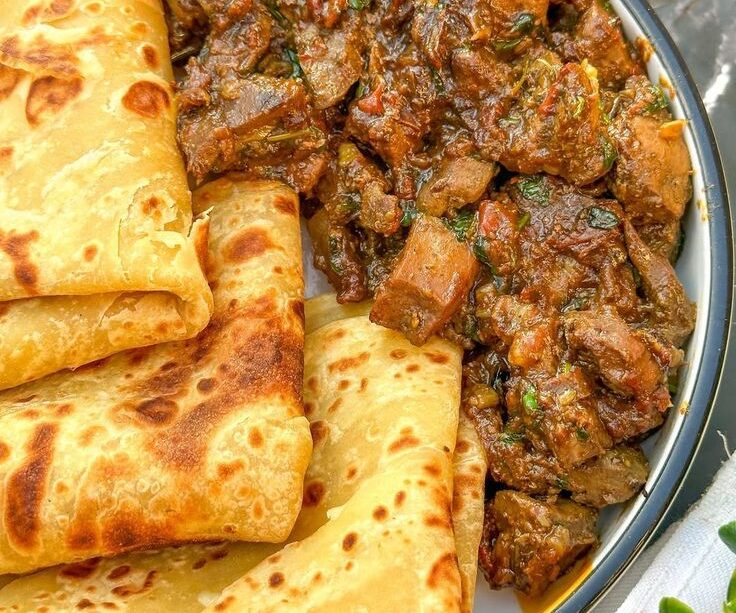
6. Chapati: A Flatbread With a History of Cultural Exchange
Chapati has become a familiar part of Kenyan meals. Cooks prepare it from wheat flour, water, salt and oil, then roll and cook the dough on a hot surface.
People eat chapati with beans, meat stew, vegetables and other sauces. Some households also enjoy it at breakfast with tea.
Its popularity reflects the long history of cultural exchange along the East African coast and the influence of South Asian communities. Trade, migration and the movement of people helped different food traditions meet and evolve.
Today, chapati appears in homes, restaurants, street-food stalls and celebrations across the country.
The story behind it: Chapati demonstrates how migration and cultural exchange can shape a country’s everyday food.
7. Pilau: The Spice of Swahili Coastal Cooking
Kenyan pilau is a fragrant rice dish associated strongly with Swahili coastal food culture. Cooks commonly prepare it with rice, meat, onions and a blend of spices.
The dish reflects centuries of exchange along the Indian Ocean. Traders and communities connected the East African coast with Arabia, Persia, India and other regions, bringing ingredients and cooking influences into contact.
Coastal towns such as Mombasa and Lamu have distinctive food traditions, and pilau often features during celebrations and family gatherings.
Some versions use beef or goat, while others include chicken. Cooks may also prepare the rice with vegetables or serve it alongside a fresh salad.
The story behind it: Pilau reveals how trade and cultural contact shaped the flavours of Kenya’s coast.
8. Mahamri: A Taste of the Kenyan Coast
Mahamri is a lightly sweetened fried bread associated with the Swahili coast. Many recipes include coconut milk and cardamom, which give the bread its characteristic aroma.
People commonly enjoy mahamri with tea, beans or other breakfast dishes. Its soft interior and lightly crisp exterior make it a familiar part of coastal food culture.
Although mahamri resembles other forms of fried dough found across East Africa, its ingredients and preparation reflect local Swahili preferences.
The story behind it: Mahamri connects breakfast traditions with the coastal use of coconut, spices and wheat.
9. Mutura: The Energy of Kenyan Street Food
Mutura is a traditional sausage commonly sold by street-food vendors, particularly in urban areas. Cooks prepare it using meat and other ingredients, season the mixture and grill the sausage.
The exact recipe can vary, so people may encounter different versions depending on the vendor and location.
Mutura has become part of Nairobi’s street-food culture. Customers often enjoy it as an evening snack, sometimes alongside kachumbari or other accompaniments.
As with any street food, hygiene and proper cooking matter. Choose vendors who handle ingredients carefully and cook food thoroughly.
The story behind it: Mutura reflects the creativity and social energy of Kenya’s urban food culture.
10. Omena: Small Fish With a Big Place in Lake-Region Cooking
Omena refers to small freshwater fish, commonly associated with Lake Victoria and surrounding communities.
Cooks often dry the fish before preparing it with tomatoes, onions and other ingredients. Some households serve it with ugali, vegetables or other staple foods.
The dish reflects the importance of fishing communities and freshwater resources in western Kenya. It also shows how local food traditions adapt to the ingredients available in different environments.
The story behind it: Omena connects everyday meals with fishing livelihoods and the communities around Lake Victoria.
What Kenyan Food Reveals About the Country
Kenyan cuisine reflects geography, agriculture, migration and cultural diversity. Different regions rely on different ingredients, and those choices influence what people cook and eat.
Along the coast, coconut, seafood and aromatic spices feature prominently. In central areas, maize, potatoes, beans and vegetables contribute to many familiar meals. Around Lake Victoria, fish plays an important role in local cooking, while meat and dairy traditions also influence food in other parts of the country.
Furthermore, migration and trade have helped shape modern Kenyan food. Chapati, pilau and other dishes show how people adapt ingredients and techniques as cultures interact.
The country’s food traditions therefore resist a single definition. A meal in Mombasa may look very different from one in Kisumu, Nyeri or Nairobi, yet each contributes to Kenya’s wider culinary identity.
How to Explore Kenyan Food Respectfully
If you visit Kenya, begin with local dishes rather than assuming that every restaurant serves the same national menu.
Ask people about regional specialities and the ingredients they use. In addition, consider visiting markets, family-run restaurants and food businesses that explain the origins of their dishes.
Try a few combinations: nyama choma with ugali, sukuma wiki with beans, pilau with coastal accompaniments or omena with a staple meal. These pairings can help you understand how Kenyans balance flavour, texture and local ingredients.
When trying street food, choose vendors who maintain clean preparation areas and serve freshly cooked food. If you have dietary restrictions, ask about ingredients and preparation methods before ordering.
For more cultural background, explore the Kenya National Tourism Service Portal’s cultural heritage guide and the Kenya Embassy’s overview of Kenyan cuisine.
Frequently asked questions
1. What is Kenya’s national dish?
Kenya does not have one universally official national dish. However, nyama choma often represents the country’s social food culture, while ugali remains one of its best-known staples.
2. What food is Kenya famous for?
Kenya is known for nyama choma, ugali, sukuma wiki, githeri, chapati and coastal dishes such as pilau and mahamri. Regional specialities also include mukimo and omena.
3. What do people eat in coastal Kenya?
Coastal Kenyan cuisine often features seafood, rice, coconut, spices and dishes such as pilau and mahamri. Swahili food traditions reflect centuries of Indian Ocean trade and cultural exchange.
4. Is Kenyan food spicy?
Some Kenyan dishes use spices and chilli, but not every meal tastes hot. Pilau may contain aromatic spices, while ugali and many vegetable dishes have milder flavours. You can usually ask a cook or server to adjust the heat.
5. What can vegetarians eat in Kenya?
Vegetarians can explore dishes such as sukuma wiki, githeri, mukimo, chapati and vegetable stews. However, recipes vary, so ask whether cooks use meat stock, animal fat or other animal products.
Discover Kenya Through Its Food
Kenyan cuisine offers a window into the country’s communities, landscapes and history. From the shared experience of nyama choma to the coastal influences behind pilau and chapati, each dish carries a story about the people who prepare and enjoy it.
Rather than searching for one dish that represents the entire country, explore the differences between regions. That is where Kenya’s food culture becomes especially interesting.
For more African food, culture and travel features, explore ANTtention Media Africa.
Sources



Leave a reply





Africa’s Source for Breaking News | Entertainments | Health | Finance | Sports | Lifestyle and Business News.


