
Hidden Travel Gems in Mali You Haven’t Heard About
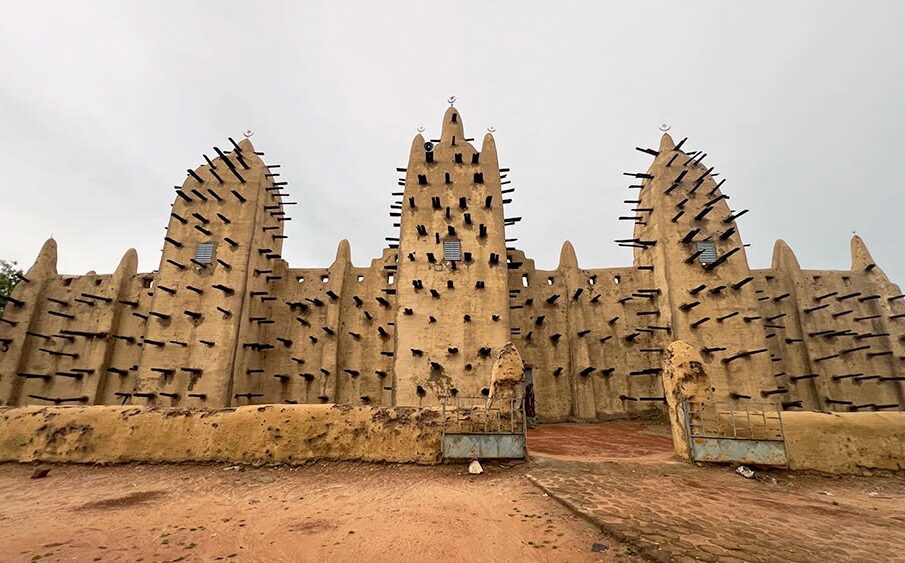
Hidden Travel Gems in Mali
Mali holds some of West Africa’s most remarkable historic towns, ancient trading centres and cultural landscapes.
From Djenné’s striking earthen architecture to Timbuktu’s scholarly legacy, the country offers a rich story of African innovation, commerce and cultural exchange.
Important travel warning: This article explores Mali’s heritage for cultural and historical interest; it does not recommend visiting the country at present. The United Kingdom’s Foreign, Commonwealth and Development Office (FCDO) advises against all travel to Mali. Australia’s Smartraveller service also advises against all travel because of serious security risks, including terrorism, kidnapping and violent crime. Check current official advice before considering any journey.
Mali’s cultural destinations at a glance
| Place | What makes it notable | Cultural significance |
|---|---|---|
| Djenné | Historic earthen buildings and Great Mosque | Architecture and trade history |
| Timbuktu | Historic mosques and manuscript collections | Scholarship and trans-Saharan trade |
| Bandiagara Escarpment | Cliffs and Dogon settlements | Cultural heritage and traditional architecture |
| Ségou | Historic Niger River town | Bambara history and river commerce |
| Gao | Former centre of Songhai power | Political and trading history |
| Tomb of Askia | Distinctive earthen monument | Songhai architecture |
| Mopti | Historic river trading centre | Fishing and regional commerce |
| Siby and the Mandé region | Landscapes linked to Mandé traditions | Oral history and cultural identity |
These destinations have historical and cultural importance. However, their significance does not mean that visitors can safely reach them now. The current security situation may also affect access, conservation work and local movement.
1. Djenné: A Town That Preserves Earthen Architecture
Djenné stands out for its traditional buildings and distinctive mud-brick architecture. For generations, local builders have used earth and other regional materials to create homes, religious buildings and communal spaces that respond to the area’s environment.
The Great Mosque of Djenné remains the town’s best-known landmark. Its monumental form demonstrates the skill behind Sudano-Sahelian architecture, while the wider historic town reveals how local communities have shaped their built environment over time.
UNESCO recognises the Old Towns of Djenné as a World Heritage property. Consequently, the town represents far more than a famous mosque: it preserves a wider record of settlement, craftsmanship and regional exchange.
Why it matters: Djenné shows how local knowledge and available materials can produce architecture with lasting cultural value.
2. Timbuktu: A Historic Centre of Scholarship
Timbuktu occupies an important place in West African intellectual history. Its position along trans-Saharan trade networks connected merchants, scholars and religious teachers from different parts of Africa and beyond.
The city’s historic manuscript collections offer a particularly valuable record. They cover subjects such as religion, literature, science and public life, challenging the false idea that African societies lacked established traditions of scholarship.
Moreover, Timbuktu’s historic mosques and learning centres reflect the relationship between commerce, religion and education. UNESCO recognises the city’s cultural significance through its World Heritage listing.
Why it matters: Timbuktu reminds readers that African intellectual traditions formed part of wider networks of learning and exchange.
3. The Bandiagara Escarpment: Dogon Heritage and Landscape
The Bandiagara Escarpment combines dramatic cliffs, settlements and cultural landscapes associated with Dogon communities.
Its architecture and settlement patterns show how people have adapted to a challenging environment. In addition, the area’s cultural traditions reflect long relationships between community life, local knowledge and the surrounding landscape.
Dogon communities do not share one unchanging identity or a single set of practices. Their histories and beliefs vary, so visitors and researchers should avoid reducing them to simplified descriptions or treating their traditions as curiosities.
UNESCO recognises the Cliff of Bandiagara, also known as the Land of the Dogons, for its natural and cultural significance.
Why it matters: The escarpment illustrates how communities build cultural identities through their relationship with the land.
4. Ségou: The Niger River and Bambara History
Ségou offers an important connection to the history of the Bambara kingdoms and communities along the Niger River.
The river has supported fishing, agriculture, transportation and trade for generations. As a result, it has influenced how settlements developed and how people exchanged goods across the region.
Ségou also carries a cultural identity shaped by local crafts, music and historical memory. Its place in the story of the Bambara states makes it relevant to anyone exploring the political history of the western Sahel.
Why it matters: Ségou helps explain how river networks supported trade and the growth of historic West African states.
5. Gao: The Songhai Empire’s Historic Legacy
Gao played an important role in the history of the Songhai Empire, one of West Africa’s major precolonial states.
Its location along the Niger River supported commerce and political activity. Meanwhile, the city’s association with Songhai rulers connects it to a wider history of regional administration, scholarship and trade.
Gao also contains the Tomb of Askia, a monument associated with Askia Mohammed. The structure reflects local earthen building traditions and the architectural culture of the Songhai period.
Why it matters: Gao provides a useful starting point for understanding the political and commercial history of the Songhai Empire.
6. The Tomb of Askia: A Monument to Songhai Architecture
The Tomb of Askia deserves attention as a historic monument in its own right. Builders used earthen materials and regional construction techniques to create a structure that reflects the architectural traditions of the Sahel.
UNESCO recognises the monument as a World Heritage property. Its design also highlights the relationship between political authority, religious life and architecture during the Songhai period.
However, earthen monuments require continuing care. Weather, environmental pressure and conflict can threaten historic structures, making local conservation knowledge particularly important.
Why it matters: The Tomb of Askia demonstrates the value of traditional building techniques and the need to protect historic architecture.
7. Mopti: River Commerce and Community Life
Mopti developed around the movement of people and goods along the Niger and Bani rivers. Fishing, agriculture and trade helped shape its identity as an important regional commercial centre.
The city’s history shows how waterways influence everyday life in the Sahel. They connect settlements, support livelihoods and create routes for exchanging food and other goods.
Furthermore, Mopti’s cultural story extends beyond its markets. It reflects the relationships between river communities, transport networks and the wider economy.
Why it matters: Mopti helps explain the role of rivers in the economic and social history of the region.
8. Siby and the Mandé Region: Landscapes of Historical Memory
Siby and the wider Mandé region connect to traditions surrounding the history of the Mali Empire.
Stories about Sundiata Keita and the rise of the empire form part of a wider body of Mandé oral history. These accounts preserve ideas about leadership, identity and the formation of political communities.
Historians compare oral traditions with written records and archaeological evidence to understand the past. Although accounts may differ, they remain important sources of cultural memory.
Why it matters: The Mandé region links historical narratives to the living cultural identities of communities in Mali and neighbouring countries.
Why Mali’s Heritage Matters Beyond Tourism
Mali’s historic towns and monuments contribute to a much wider understanding of African history. Djenné demonstrates the sophistication of regional architecture, while Timbuktu highlights scholarly traditions and long-distance exchange.
Similarly, Gao and the Tomb of Askia help explain the influence of the Songhai Empire. Meanwhile, the Bandiagara Escarpment and Mandé region show how cultural identity develops through relationships between people, history and place.
Heritage protection also matters because historic buildings and cultural records face serious challenges. Conflict, weather, limited resources and social change can all affect preservation. Therefore, conservation efforts should involve local communities and respect the people who maintain these traditions.
Can You Travel to Mali Now?
The current official advice remains a serious warning against travel. As of today, the UK FCDO advises against all travel to Mali. Australia’s Smartraveller service also advises against all travel, citing major security risks.
These warnings apply to the country, not just the individual places in this article. A UNESCO designation or an attractive photograph does not establish that a destination is safe or accessible.
If you are researching a possible future trip, consult official government travel advice and relevant authorities before making plans. Do not rely on old travel blogs, informal transport arrangements or social media posts to assess current conditions.
For now, readers can explore Mali’s heritage through reliable books, documentaries, museum collections and UNESCO resources without putting themselves or local communities at risk.
Frequently asked questions
1. What is Mali famous for?
Mali is known for its historic role in trans-Saharan trade, the Mali and Songhai empires, Islamic scholarship and distinctive Sahelian architecture. Djenné, Timbuktu and the Bandiagara Escarpment are among its best-known heritage locations.
2. Is Timbuktu a UNESCO World Heritage Site?
Yes. UNESCO recognises Timbuktu for its historical and cultural importance, including its mosques and associations with scholarship and trans-Saharan trade.
3. What is the Bandiagara Escarpment known for?
The Bandiagara Escarpment is known for its dramatic cliffs, settlements and Dogon cultural heritage. Its landscape and architecture show a long relationship between communities and their environment.
4. Is it safe to travel to Mali in 2026?
As of 5 November 2026, the UK and Australian government travel advisory services advise against all travel to Mali. Check official advice for the latest information before considering any journey.
5. Which Mali heritage sites does UNESCO recognise?
UNESCO lists the Old Towns of Djenné, Timbuktu, the Tomb of Askia and the Cliff of Bandiagara among Mali’s World Heritage properties. These listings recognise cultural significance; they do not confirm present-day travel safety.
Explore Mali’s History Responsibly
Mali’s heritage deserves attention for its contributions to African architecture, scholarship, trade and political history. However, readers should distinguish cultural interest from travel advice. Until official authorities change their warnings, explore these places through reputable historical and cultural resources rather than planning a visit.
For more African history, culture and travel features, explore ANTtention Media Africa.
Sources



Leave a reply





Africa’s Source for Breaking News | Entertainments | Health | Finance | Sports | Lifestyle and Business News.


