
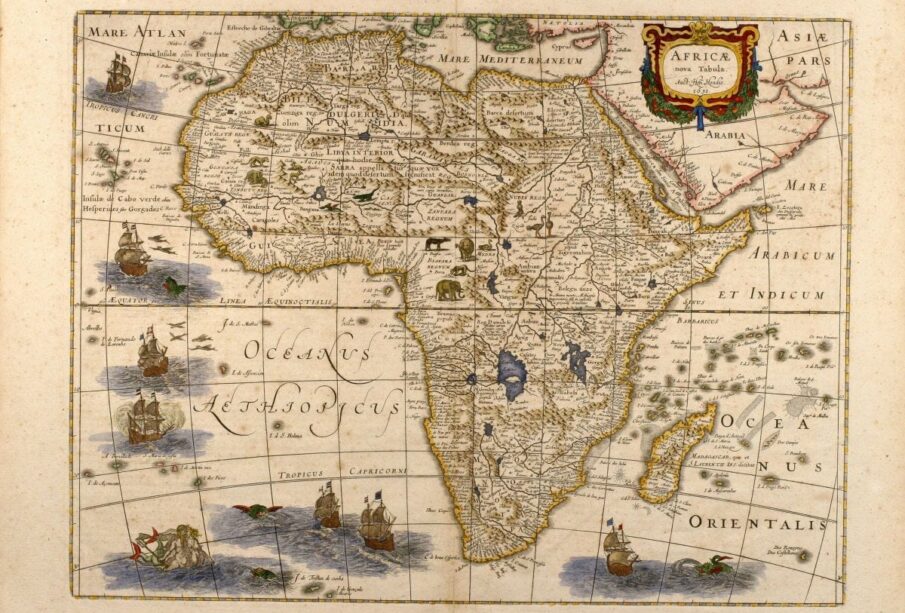
Forgotten African Kingdoms That Changed the World
When discussing world history, many people immediately think of ancient Rome, Greece, China, or Egypt.
Yet across the African continent, powerful kingdoms and empires flourished for centuries, shaping global trade, culture, science, and politics. While some African civilizations are widely recognized today, many others remain overlooked despite their profound influence on world history.
These forgotten African kingdoms were centers of innovation, wealth, learning, and diplomacy. Their achievements helped connect continents, drive international commerce, and preserve knowledge that would influence generations to come.
1. The Kingdom of Kush
Located in present-day Sudan, the Kingdom of Kush emerged as one of Africa’s earliest great civilizations. It thrived along the Nile River and became a major power after the decline of ancient Egypt.
The Kushites were skilled builders, traders, and military strategists. At one point, Kushite rulers conquered Egypt and established the Twenty-Fifth Dynasty, governing one of the world’s most influential civilizations.
Global Impact:
- Preserved Egyptian traditions and culture.
- Expanded trade networks across Africa and the Middle East.
- Advanced iron production technology.
- Influenced architecture and religious practices throughout the Nile Valley.
2. The Kingdom of Aksum
The Kingdom of Aksum, located in modern-day Ethiopia and Eritrea, was one of the most important trading powers of the ancient world. Between the first and seventh centuries CE, Aksum connected Africa, Asia, and Europe through extensive commercial networks.
Its strategic location near the Red Sea allowed it to become a hub for the exchange of gold, ivory, spices, textiles, and agricultural products.
Global Impact:
- Facilitated trade between major world civilizations.
- Became one of the earliest states to adopt Christianity.
- Produced its own currency, demonstrating advanced economic systems.
- Helped spread cultural and religious ideas across continents.
3. The Ghana Empire
Despite its name, the ancient Ghana Empire was located primarily in present-day Mauritania and Mali. Flourishing between the 6th and 13th centuries, it controlled crucial trans-Saharan trade routes.
The empire’s wealth came largely from gold production and trade, making it one of the richest states of its era.
Global Impact:
- Supplied gold that fueled economies across North Africa and Europe.
- Established sophisticated taxation and trade systems.
- Encouraged cultural exchanges between African and Islamic civilizations.
- Laid the foundation for future West African empires.
4. The Mali Empire
The Mali Empire remains one of the most remarkable civilizations in history. Rising in the 13th century, it became a center of commerce, education, and culture.
Its most famous ruler, Mansa Musa, is often considered one of the wealthiest individuals in history. His famous pilgrimage to Mecca showcased the immense wealth and influence of the empire.
Global Impact:
- Strengthened international trade routes.
- Promoted scholarship and higher education.
- Supported the growth of major learning centers.
- Increased global awareness of Africa’s economic importance.
5. The Songhai Empire
Following the decline of Mali, the Songhai Empire emerged as one of Africa’s largest empires during the 15th and 16th centuries.
Centered around the city of Gao, Songhai developed an efficient administrative system and maintained extensive trade connections.
Global Impact:
- Expanded commerce across West Africa.
- Advanced governance and state administration.
- Supported intellectual and religious scholarship.
- Fostered urban development and regional stability.
6. The Kingdom of Benin
The Kingdom of Benin, located in present-day Nigeria, became famous for its sophisticated governance, impressive urban planning, and artistic achievements.
European visitors were often amazed by the kingdom’s organized streets and monumental architecture.
Global Impact:
- Produced world-renowned bronze sculptures.
- Established diplomatic relations with European powers.
- Advanced artistic techniques that continue to influence global art.
- Demonstrated sophisticated city planning and administration.
7. The Kingdom of Kongo
The Kingdom of Kongo emerged in Central Africa and became a major political and economic force from the 14th century onward.
Its leaders developed diplomatic relationships with European nations while maintaining a strong African identity.
Global Impact:
- Facilitated cultural exchanges between Africa and Europe.
- Influenced political developments in Central Africa.
- Played a major role in regional trade networks.
- Preserved complex systems of governance and diplomacy.
8. The Kingdom of Mapungubwe
Before the rise of Great Zimbabwe, the Kingdom of Mapungubwe flourished in Southern Africa between the 11th and 13th centuries.
Archaeological discoveries reveal a highly organized society involved in long-distance trade with regions as far away as Asia.
Global Impact:
- Participated in international trade networks.
- Demonstrated advanced social organization.
- Influenced later Southern African kingdoms.
- Produced valuable archaeological insights into African history.
9. Great Zimbabwe
The civilization of Great Zimbabwe built one of Africa’s most impressive architectural achievements. Massive stone structures were constructed without mortar, showcasing remarkable engineering skill.
The kingdom controlled trade routes linking Southern Africa to the Indian Ocean.
Global Impact:
- Facilitated global trade in gold and other resources.
- Demonstrated advanced architectural expertise.
- Influenced regional political systems.
- Challenged misconceptions about pre-colonial African societies.
10. The Kanem-Bornu Empire
Located around Lake Chad, the Kanem-Bornu Empire endured for more than a thousand years, making it one of Africa’s longest-lasting states.
The empire became a center for trade, learning, and political organization.
Global Impact:
- Connected North Africa and sub-Saharan Africa.
- Promoted Islamic scholarship.
- Maintained regional stability for centuries.
- Strengthened trans-Saharan commercial networks.
Why These Kingdoms Matter Today
The achievements of these kingdoms challenge outdated narratives that underestimate Africa’s role in world history. They demonstrate that African societies developed advanced political systems, thriving economies, sophisticated technologies, and vibrant cultural traditions long before colonial rule.
Understanding these civilizations provides a more complete and accurate picture of global history.
Conclusion
Africa’s forgotten kingdoms helped shape the modern world through trade, innovation, diplomacy, education, and cultural exchange. Their influence reached far beyond the continent, connecting diverse civilizations and contributing to human progress.
By rediscovering these remarkable societies, we gain a deeper appreciation for Africa’s rich historical legacy and its enduring impact on world civilization.



Leave a reply







Africa’s Source for Breaking News | Entertainments | Health | Finance | Sports | Lifestyle and Business News.


