Regional Culinary Traditions Worth Preserving

Regional Culinary Traditions Worth Preserving
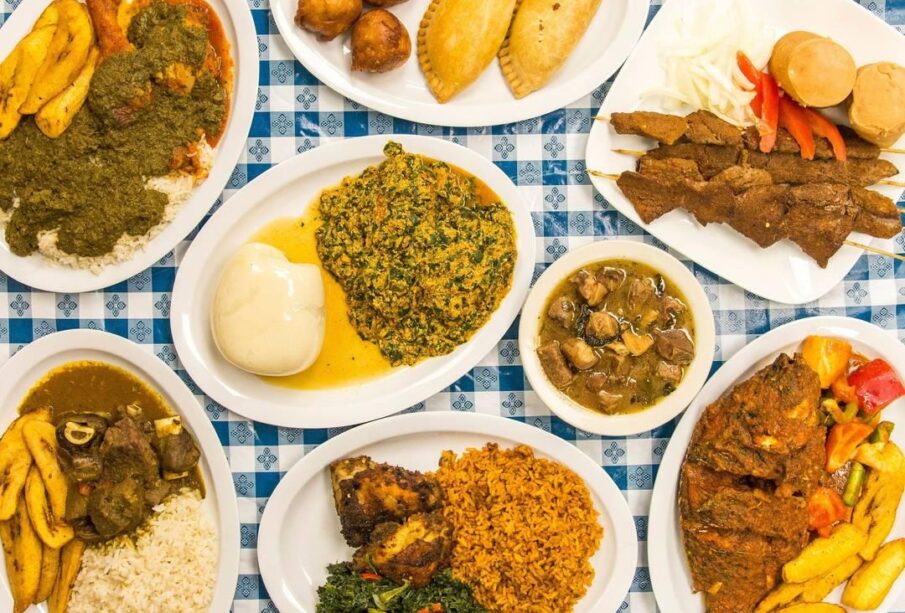
Africa’s food culture is one of its richest forms of heritage.
Yet many traditional culinary practices are changing. Urbanisation, changing lifestyles, imported foods, commercial farming, and the growing popularity of fast food are influencing how people eat and prepare meals. Preserving regional culinary traditions does not mean rejecting modern food culture. Instead, it means ensuring that valuable knowledge and distinctive flavours are not lost as societies evolve.
West African Soups, Stews and Shared Meals
Meals such as jollof rice, Senegalese thiéboudienne, Ghanaian banku and soup, Nigerian egusi soup, groundnut stew and many others demonstrate how local ingredients can be transformed into deeply satisfying dishes.
The preparation methods are equally important. Grinding spices, fermenting ingredients, smoking fish, pounding grains and preparing food over controlled heat represent culinary knowledge passed between generations.
Preserving these traditions involves more than keeping recipes alive. It also means supporting the farmers, fishermen, traders and food producers who supply the ingredients.
North African Spice and Grain Traditions
Couscous is one of the best-known examples. Across different communities, it can be prepared with vegetables, meat, seafood or legumes, with techniques and recipes varying from one region to another.
Moroccan tagines, Tunisian dishes featuring harissa and Algeria’s diverse couscous traditions also demonstrate the importance of spices, grains and slow cooking.
These foods deserve preservation because the techniques behind them are often as significant as the finished dishes.
East Africa’s Grain, Dairy and Fermented Foods
Ugali, injera, fermented milk, millet dishes and various bean-based meals illustrate the importance of grains, legumes and dairy products in the region. Ethiopian and Eritrean injera, for example, involves a fermentation process that gives the flatbread its distinctive texture and flavour.
Traditional fermentation techniques deserve particular attention. They can improve flavour, preserve food and create products suited to local climates.
As modern food systems expand, documenting these techniques can help prevent valuable knowledge from disappearing.
Southern Africa’s Indigenous Ingredients
Dishes based on maize, sorghum, millet, beans and indigenous vegetables remain important across communities. In countries such as Zimbabwe, Zambia and Botswana, traditional grain-based meals continue to form part of everyday diets.
South Africa also has a remarkably diverse food heritage, with Indigenous, Khoisan, Bantu, Indian, Malay, European and other influences contributing to its culinary landscape.
Preserving Indigenous ingredients is particularly valuable because many are adapted to local environmental conditions and can contribute to more diverse food systems.
The Sahel’s Food Knowledge
The Sahel has developed food traditions suited to challenging environmental conditions. Communities across countries such as Niger, Mali, Chad, Burkina Faso and Mauritania have historically relied on grains, legumes, livestock products and locally available plants.
Millet and sorghum are particularly important. These crops can perform relatively well in dry environments, making them valuable not only culturally but also from a food-security perspective.
Traditional methods of processing and storing grains can provide lessons for modern communities dealing with changing climates and food supply challenges.
Traditional Cooking Methods Matter Too
Preservation should not focus exclusively on recipes. Traditional cooking methods carry their own cultural value. Smoking, drying, fermenting, roasting, pounding, steaming and slow cooking all represent accumulated knowledge.
For example, smoking meat or fish can extend shelf life while adding flavour. Fermentation can transform grains, milk and vegetables into entirely different foods. Sun-drying allows seasonal produce to remain available beyond harvest periods.
Modern technology can complement these methods rather than replace them completely.
Why These Traditions Are Worth Preserving
Traditional cuisine offers benefits that extend beyond cultural identity.
It protects cultural heritage. Food connects younger generations with their history and communities.
It supports local agriculture. Traditional dishes often depend on locally grown crops and locally sourced ingredients.
It creates economic opportunities. Restaurants, food brands, tourism businesses and cultural festivals can turn culinary heritage into sustainable enterprises.
It encourages dietary diversity. Indigenous grains, legumes, vegetables and fruits can expand the range of foods available to communities.
It strengthens tourism. Travellers increasingly want authentic cultural experiences, and food is one of the easiest ways to introduce visitors to a place.
Young People Have an Important Role
Culinary preservation cannot depend entirely on older generations. Young Africans can play a major role in documenting and reinventing traditional food culture. Social media can be used to record recipes, interview older cooks, demonstrate preparation techniques and introduce lesser-known dishes to wider audiences.
Entrepreneurs can also create modern food products inspired by traditional ingredients. A local grain can become a packaged breakfast product. A traditional spice blend can become a retail brand. A regional dish can inspire a modern restaurant concept.
The goal is not to freeze traditional cuisine in the past. It is to allow it to evolve while retaining its cultural identity.
Food as a Living Heritage
Africa’s culinary traditions are constantly changing. New ingredients are introduced, cooking techniques evolve and different cultures influence one another. That is part of what makes food culture so dynamic.
Preservation should therefore focus on knowledge, ingredients, techniques and stories rather than insisting that every dish must always be prepared exactly as it was generations ago.
Regional culinary traditions deserve to remain part of Africa’s future because they connect food with identity, agriculture, family and history. By documenting recipes, supporting local producers, teaching traditional cooking skills and giving indigenous foods space in modern markets, communities can ensure that these traditions continue to nourish future generations.
The meals served today can become tomorrow’s heritage. Preserving them begins with recognising their value.
7 Quiet Signs Your Relationship Is Breaking Down
August 10, 2026Remote Skills Paying Nigerians in Dollars in 2026
August 10, 2026Loan Apps in Nigeria With the Lowest Interest Rates in 2026
August 10, 2026
Leave a reply Cancel reply
Latest Posts
-
Fully Funded Scholarships For Nigerians
August 10, 2026 -
7 Quiet Signs Your Relationship Is Breaking Down
August 10, 2026 -
Remote Skills Paying Nigerians in Dollars in 2026
August 10, 2026 -
Loan Apps in Nigeria With the Lowest Interest Rates in 2026
August 10, 2026 -
Wildlife Destinations Beyond the Famous Parks
August 9, 2026
Weekly Podcast
Travel News
-
Wildlife Destinations Beyond the Famous Parks
August 9, 2026 -
Foods That Tell Africa’s Cultural Story
August 9, 2026 -
Regional Culinary Traditions Worth Preserving
August 8, 2026
Personal Development
-
Building Confidence as a Young Professional
August 8, 2026 -
Self-Discipline Habits for Success
August 4, 2026 -
Reviewing Educational Technology Platforms
August 4, 2026