
Healthy Eating Trends Among African Youth
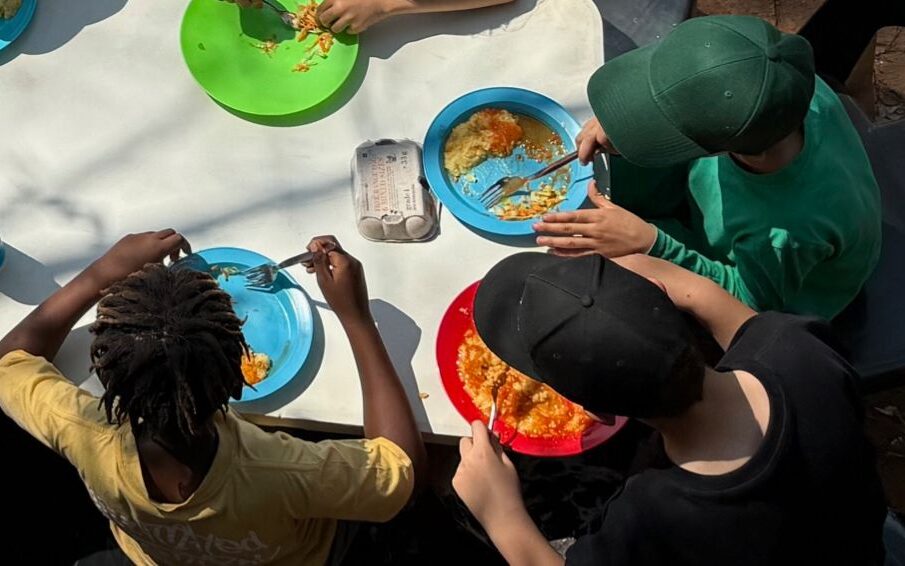
Healthy Eating Trends Among African Youth
Africa’s young population is increasingly paying attention to what they eat, how food affects their bodies, and the role nutrition plays in their overall lifestyle.
From fitness-conscious young professionals in Lagos and Nairobi to university students exploring healthier meal options, healthy eating is gradually becoming more than a passing trend. While traditional African diets have long included nutritious staples such as beans, vegetables, fruits, whole grains, fish, and locally grown produce, modern lifestyles have changed how many young people eat. Busy schedules, fast-food culture, social media influence, rising food costs, and changing consumer preferences are all shaping the continent’s approach to healthy eating.
Growing Interest in Balanced Meals
One of the most noticeable trends among African youth is the growing interest in balanced meals. Many young consumers are becoming more conscious of combining carbohydrates, proteins, vegetables, fruits, and healthy fats rather than relying heavily on a single food group.
Traditional meals such as beans and plantain, rice with vegetables and fish, yam with vegetable-based soups, and millet or sorghum-based dishes can provide a strong nutritional foundation when prepared and consumed as part of a balanced diet.
Young people are also experimenting with healthier versions of familiar meals. This includes reducing excessive oil, salt, and sugar while adding more vegetables, legumes, lean proteins, and whole foods.
The Rise of Local and Natural Foods
African youth are also showing renewed interest in locally produced foods. Fruits, vegetables, grains, nuts, seeds, legumes, and other indigenous ingredients are increasingly appearing in meals promoted by health-conscious consumers.
This trend creates opportunities for local farmers, food producers, restaurants, and small businesses. Instead of viewing healthy eating as something that depends entirely on imported products, young Africans are discovering that many nutritious options are already available within their communities.
Foods such as millet, sorghum, beans, sweet potatoes, cassava, leafy vegetables, groundnuts, fruits, and fish can form part of affordable and nutritious diets.
Fitness Culture Is Influencing Food Choices
The growth of fitness culture has also influenced how young Africans think about food. Gyms, running clubs, sports communities, wellness influencers, and fitness apps have made nutrition a bigger part of conversations about physical performance and appearance.
Some young people are increasing their intake of protein-rich foods, fruits, vegetables, and water while reducing heavily processed foods and sugary drinks.
Social media has played an important role in spreading these ideas. Young people can now easily discover meal-preparation ideas, healthy recipes, fitness challenges, and nutrition content from creators across Africa and around the world.
However, not every health claim shared online is reliable. Young consumers should distinguish between evidence-based nutrition advice and exaggerated claims or restrictive diet trends.
Meal Preparation Is Becoming More Popular
Busy urban lifestyles have encouraged many young people to prepare meals ahead of time. Meal preparation can help students and professionals save time, control portions, and avoid relying too frequently on fast food.
Preparing meals in advance can be particularly useful for people with demanding work or school schedules. Simple foods such as rice, beans, vegetables, eggs, chicken, fish, fruits, and whole grains can be prepared in different combinations throughout the week.
Meal preparation also makes it easier to plan grocery purchases and reduce food waste.
Healthier Alternatives to Fast Food
Fast food remains popular among many young consumers, particularly in growing African cities. However, there is increasing demand for healthier alternatives.
Restaurants and food businesses are responding by introducing options such as grilled foods, salads, fresh juices, fruit bowls, vegetable-based meals, and smaller portions.
This presents an opportunity for African entrepreneurs. Food businesses that combine convenience, affordability, taste, and nutrition can appeal to consumers who want healthier choices without completely changing their lifestyles.
The Challenge of Affordability
Despite growing interest in healthy eating, affordability remains one of the biggest challenges.
Young people may want to eat healthier but face limited budgets, rising food prices, or limited access to fresh foods in some communities. Imported health products and specialized diet foods can also be expensive.
Healthy eating does not necessarily require expensive products. Locally available foods such as beans, eggs, seasonal vegetables, fruits, groundnuts, maize, millet, and sweet potatoes can provide valuable nutrients at relatively accessible prices, depending on local market conditions.
The key is often thoughtful meal planning rather than purchasing expensive products marketed as “healthy.”
Traditional African Foods Are Getting New Attention
Another important trend is the rediscovery of traditional African foods. Young chefs, food bloggers, nutrition educators, and entrepreneurs are helping introduce traditional ingredients to new audiences.
Recipes are being modernized without completely abandoning their cultural roots. Traditional soups, grains, fermented foods, legumes, vegetables, and locally sourced proteins are being presented in ways that appeal to younger consumers.
This can help preserve culinary heritage while encouraging healthier relationships with food.
Technology Is Changing How Young People Eat
Technology is becoming increasingly connected to food choices. Young consumers can use smartphones to find recipes, compare food prices, track physical activity, organize grocery shopping, and learn about nutrition.
Food delivery platforms have also changed eating habits in African cities. While convenience can encourage frequent restaurant consumption, technology can also help consumers discover healthier restaurants and meal options.
For food entrepreneurs, digital platforms provide an opportunity to communicate directly with health-conscious customers and promote nutritious products.
The Importance of Sustainable Eating
Healthy eating among African youth is also increasingly connected to environmental concerns. Some young consumers are becoming interested in locally sourced foods, reducing food waste, supporting farmers, and choosing seasonal produce.
Sustainable eating does not mean following one particular diet. It can involve making practical choices that support personal health while reducing unnecessary waste and encouraging responsible food production.
Buying locally available seasonal foods, storing food properly, and using leftovers creatively are simple ways to make everyday eating more sustainable.
Building a Healthier Food Culture
The growing interest in healthy eating among African youth presents opportunities for families, schools, governments, food businesses, farmers, and health professionals.
Young people need access to reliable nutrition information and affordable food choices. Schools and workplaces can encourage healthier meals, while food businesses can make nutritious options more convenient and appealing.
At the same time, young consumers can take practical steps such as eating more fruits and vegetables, drinking enough water, limiting excessive sugar and highly processed foods, and maintaining balanced meals.
Conclusion
Healthy eating among African youth is becoming an important part of the continent’s changing lifestyle. The movement combines traditional food knowledge with modern nutrition awareness, fitness culture, technology, and growing interest in sustainable living.
The most sustainable approach is not about following every new diet trend. It is about developing realistic eating habits that fit individual needs, budgets, cultures, and lifestyles.
As African cities and economies continue to evolve, the demand for nutritious, affordable, convenient, and locally relevant food choices is likely to create new opportunities for consumers and businesses alike.




Leave a reply




Africa’s Source for Breaking News | Entertainments | Health | Finance | Sports | Lifestyle and Business News.


