
How African Countries Are Investing in Green Energy
How African Countries Are Investing in Green Energy
Africa has enormous renewable energy potential, from the Sahara’s abundant sunlight to strong wind resources along coastal regions and geothermal energy in East Africa.
As countries seek to expand electricity access, reduce energy costs and respond to climate change, governments and private investors are increasing their focus on green energy. The transition is taking different forms across the continent. Some countries are developing large solar farms, while others are investing in wind, hydropower, geothermal energy and decentralized solar systems.
Expanding Solar Power
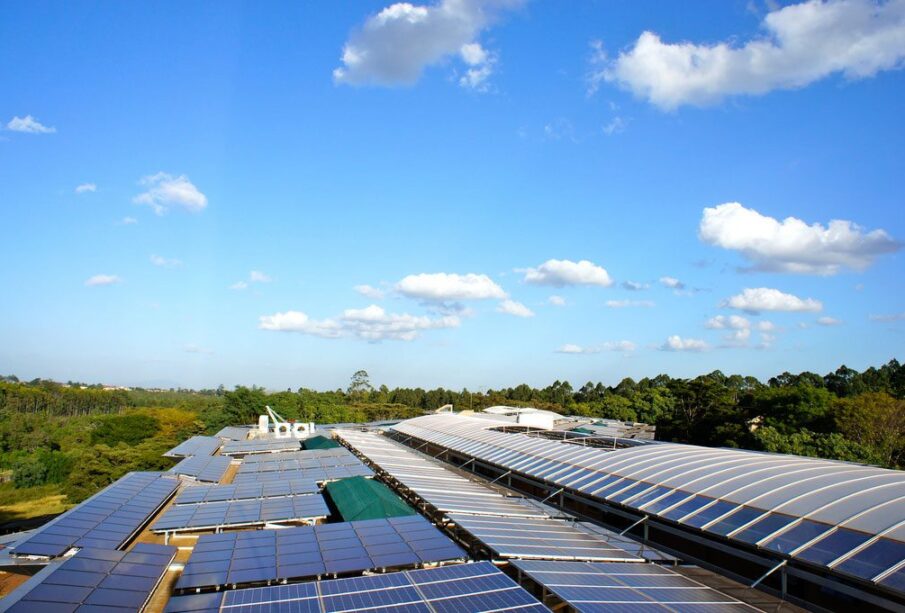
Solar energy is one of Africa’s most important renewable energy opportunities. Many African countries receive high levels of sunlight throughout the year, making solar power suitable for both large-scale electricity generation and smaller off-grid systems.
Countries such as Egypt, Morocco, South Africa and Kenya have invested in major solar projects. Morocco’s Noor solar complex, for example, demonstrates how concentrated solar power can contribute to national electricity generation.
Solar power is also becoming important for rural communities. Instead of waiting for large national grids to reach remote areas, governments and companies can deploy solar mini-grids and solar home systems.
These smaller systems can provide electricity for homes, schools, health centres, farms and businesses.
Developing Wind Energy
Wind power is another growing part of Africa’s renewable energy sector.
Kenya, Egypt, Morocco and South Africa have developed significant wind projects. Kenya’s Lake Turkana Wind Power project is one of the continent’s notable wind-energy developments, while Morocco has expanded its wind capacity as part of its broader renewable-energy strategy.
Wind farms can help countries diversify their electricity sources and reduce dependence on fossil fuels.
Investing in Hydropower
Hydropower remains an important source of renewable electricity in several African countries.
Countries including Ethiopia, Zambia, Uganda, Ghana and Tanzania have relied heavily on hydropower to support their electricity systems. Large projects can generate substantial amounts of electricity, although they can also involve environmental, social and water-management challenges.
Climate variability has made diversification increasingly important. When drought reduces water availability, countries that depend heavily on hydropower can experience electricity shortages. Combining hydropower with solar and wind can therefore create a more diverse energy mix.
Harnessing Geothermal Energy
East Africa has significant geothermal potential because of its location along the Great Rift Valley.
Kenya has become a major example of geothermal development on the continent. Geothermal plants use heat from beneath the Earth’s surface to generate electricity and can provide relatively consistent power compared with some weather-dependent renewable sources.
Other countries in the region are also exploring their geothermal resources.
Supporting Off-Grid Energy
Green energy investment is not limited to large power stations.
Across rural Africa, solar mini-grids and standalone solar systems are helping communities gain access to electricity without waiting for conventional grid expansion.
These systems can support:
- Small businesses
- Agricultural processing
- Refrigeration
- Water pumping
- Schools
- Healthcare facilities
- Mobile-phone charging
- Household lighting
For communities far from national electricity networks, decentralized renewable energy can provide a practical route to electrification.
Attracting Private Investment
Governments alone cannot finance Africa’s entire energy transition. Private companies, development banks and international investors are therefore playing an important role.
Public-private partnerships can help finance renewable projects, while international institutions can provide loans, guarantees and technical assistance.
Investment is also expanding into areas such as battery storage, transmission infrastructure, electric mobility and clean cooking.
Building a More Diverse Energy System
Africa’s green-energy transition is not about replacing every existing power source overnight. Countries have different energy resources, economic conditions and electricity needs.
A diversified system could combine solar, wind, hydropower, geothermal energy, battery storage and other technologies.
Better transmission networks will also be essential. Producing renewable electricity is only part of the challenge; countries must be able to move that electricity from generation sites to homes and businesses.
The Road Ahead
Africa’s renewable-energy investment is creating opportunities for economic development as well as electricity generation. New projects can create jobs, support local businesses and improve energy access.
However, challenges remain. Renewable projects can face financing difficulties, regulatory delays, inadequate transmission infrastructure and limited access to affordable capital.
The continent’s success will therefore depend not only on building more renewable-energy projects but also on creating reliable investment frameworks and stronger electricity networks.
With its substantial solar, wind, hydro and geothermal resources, Africa has considerable potential to build a more diversified and sustainable energy system. The key question is how effectively countries can turn that potential into reliable and affordable electricity for households and businesses.



Leave a reply





Africa’s Source for Breaking News | Entertainments | Health | Finance | Sports | Lifestyle and Business News.


