
How Inflation Affects Daily Spending
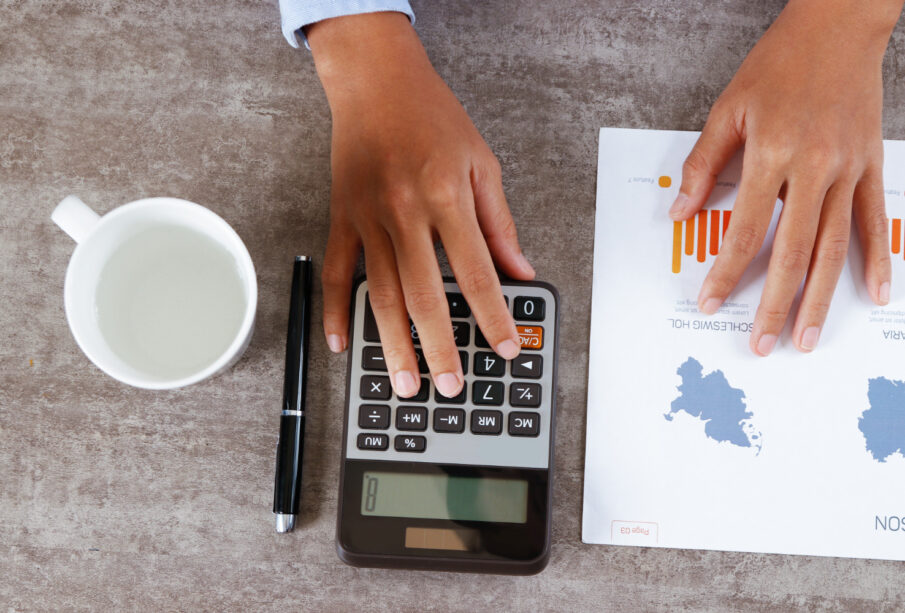
Inflation is a term often mentioned in economic discussions, but its real impact is felt most clearly in everyday life.
Simply put, inflation refers to the general increase in prices over time, which reduces the purchasing power of money. As inflation rises, the same amount of money buys fewer goods and services. This shift can significantly influence how individuals and families manage their daily spending.
Rising Cost of Essentials
One of the most immediate effects of inflation is the increase in the price of essential goods such as food, transportation, and housing. Groceries that once fit comfortably within a weekly budget may suddenly cost much more. Staples like rice, bread, cooking oil, and vegetables often see gradual price increases, forcing households to either spend more or buy less.
Transportation costs also rise during inflationary periods. Fuel prices tend to increase, which affects public transport fares and the cost of running personal vehicles. For many people, this means spending a larger portion of their income just to commute to work or run errands.
Reduced Purchasing Power
As prices go up, the value of money declines. Even if your income remains the same, you may find that you can no longer afford the same lifestyle. This reduction in purchasing power often leads to tough financial decisions, such as cutting back on non-essential expenses like dining out, entertainment, or new clothing.
Over time, this can affect overall quality of life, as people prioritize basic needs over comfort or leisure activities.
Changes in Spending Habits
Inflation encourages more cautious and strategic spending. Consumers become more price-sensitive, comparing costs before making purchases and seeking discounts or alternatives. Bulk buying, switching to cheaper brands, and reducing waste become common practices.
Many households also begin to track their expenses more closely, creating stricter budgets to avoid overspending. This shift can lead to smarter financial habits, but it often comes from necessity rather than choice.
Impact on Savings
Inflation doesn’t just affect spending, it also impacts savings. Money kept in cash or low-interest accounts loses value over time if the inflation rate is higher than the interest earned. This discourages saving in traditional ways and pushes individuals to look for better investment options to preserve their wealth.
For those without access to investment opportunities, inflation can erode financial security, making it harder to plan for the future.
Wage Pressure and Income Challenges
While prices rise, wages do not always increase at the same pace. This mismatch creates financial strain, especially for low- and middle-income earners. Even when salaries are adjusted, the increase may not fully compensate for the higher cost of living.
As a result, many people look for additional income sources, such as side hustles or freelance work, to keep up with rising expenses.
Psychological and Social Effects
Inflation can also affect mental well-being. Constant financial pressure may lead to stress, anxiety, and uncertainty about the future. Families may experience tension when adjusting budgets or making financial sacrifices.
On a broader scale, inflation can widen the gap between different income groups, as those with higher incomes or investments are better able to cope with rising costs.
Practical Ways to Cope with Inflation
While inflation is largely beyond individual control, there are ways to manage its effects:
- Budget wisely: Track income and expenses to identify areas where you can cut back.
- Prioritize needs over wants: Focus on essentials before spending on luxuries.
- Buy in bulk when possible: This can reduce the cost per unit of frequently used items.
- Look for alternatives: Choose more affordable brands or substitute products.
- Increase income streams: Consider side jobs or small businesses to supplement earnings.
Conclusion
Inflation is an unavoidable part of economic life, but its effects are deeply personal. From rising grocery bills to reduced savings value, it reshapes how people spend and manage money daily. Understanding how inflation works, and adjusting habits accordingly, can help individuals stay financially stable even in challenging economic times.



Leave a reply







Africa’s Source for Breaking News | Entertainments | Health | Finance | Sports | Lifestyle and Business News.


