
Historical Leaders Who Changed Nations
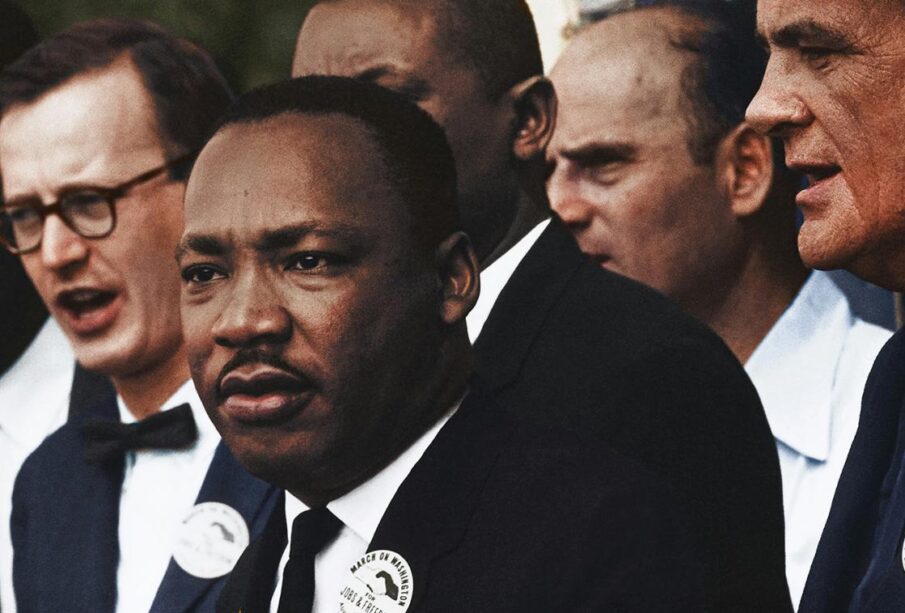
Throughout history, certain individuals have risen above their circumstances to shape the destiny of entire nations.
These leaders, through courage, vision, and determination, transformed societies, influenced global events, and left lasting legacies that continue to impact the modern world.
Visionary Leadership and Nation Building
One of the most prominent figures in history is Nelson Mandela. After spending 27 years in prison, Mandela emerged not with vengeance, but with a vision of reconciliation. His leadership helped dismantle apartheid in South Africa and laid the foundation for a democratic society built on equality and unity.
Similarly, Mahatma Gandhi played a crucial role in India’s struggle for independence from British rule. Through his philosophy of nonviolent resistance, Gandhi mobilized millions and demonstrated that peaceful protest could be a powerful force for political change.
Revolutionary Figures
Some leaders changed nations through revolution. George Washington led the American colonies to independence from Britain, becoming a symbol of freedom and democracy. His leadership during the American Revolutionary War helped establish the United States as a sovereign nation.
Another transformative figure was Napoleon Bonaparte. Though controversial, Napoleon reformed France’s legal system with the Napoleonic Code, which influenced legal frameworks across Europe and beyond.
Leaders Who United Nations
Unification is another powerful form of national transformation. Otto von Bismarck is credited with unifying the fragmented German states into a single empire in the 19th century. His strategic diplomacy and calculated use of warfare reshaped Europe’s political landscape.
In a similar vein, Abraham Lincoln preserved the United States during its most divided period—the Civil War. His leadership not only kept the nation intact but also led to the abolition of slavery, redefining the country’s moral and political direction.
Modern Reformers
In more recent history, leaders have continued to shape nations through reform and innovation. Lee Kuan Yew transformed Singapore from a small, struggling port city into a global economic powerhouse. His policies emphasized education, anti-corruption, and economic development.
Likewise, Franklin D. Roosevelt guided the United States through the Great Depression and World War II. His New Deal policies reshaped the American economy and expanded the role of government in ensuring social welfare.
Lessons from Transformational Leaders
These leaders, despite their different methods and contexts, share common traits:
- Vision: They saw possibilities others could not.
- Resilience: They persisted despite immense challenges.
- Influence: They inspired people to believe in change.
- Legacy: Their actions had long-term national and global impact.
Conclusion
Historical leaders who changed nations remind us that individuals can shape the course of history. Whether through peaceful resistance, revolutionary action, or strategic reform, their contributions continue to influence governance, society, and global relations. Understanding their journeys not only enriches our knowledge of the past but also offers valuable insights for future leadership.

Leave a reply




Africa’s Source for Breaking News | Entertainments | Health | Finance | Sports | Lifestyle and Business News.


