
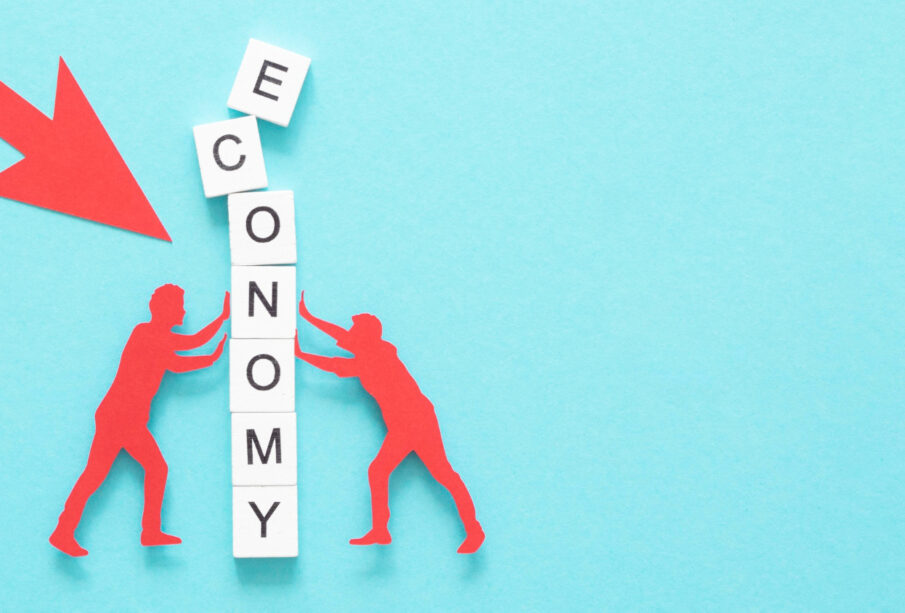
Economic growth is not accidental.
It is shaped by deliberate choices made by governments through policies that influence how money flows, how businesses operate, and how people participate in the economy. From taxation to trade rules, policies can either accelerate development or slow it down. Understanding this connection helps explain why some countries grow faster than others and why growth can change over time within the same country.
1. Fiscal Policy and Public Spending
Fiscal policy refers to government decisions on taxation and spending. These choices directly affect economic activity.
When a government invests in infrastructure such as roads, electricity, schools, and hospitals, it creates jobs and improves productivity. For example, better roads reduce transportation costs for businesses, making goods cheaper and easier to distribute. This encourages trade and investment, which boosts economic growth.
On the other hand, high taxes can reduce disposable income for individuals and profits for businesses. While taxes are necessary to fund public services, excessively high rates may discourage investment and slow down business expansion.
2. Monetary Policy and Inflation Control
Monetary policy is managed by a country’s central bank and focuses on money supply and interest rates. It plays a key role in maintaining price stability.
Low and stable inflation encourages economic growth because businesses and consumers can plan better. When inflation is unpredictable or too high, the value of money falls quickly, reducing purchasing power and discouraging savings and investment.
Interest rates also matter. Lower interest rates make borrowing cheaper, encouraging businesses to expand and individuals to spend more. Higher interest rates, however, can slow borrowing and reduce economic activity, often used to control inflation.
3. Trade Policies and Global Integration
Trade policies determine how easily a country can exchange goods and services with other nations. These include tariffs, import/export restrictions, and trade agreements.
Open trade policies usually promote economic growth by allowing countries to specialize in what they produce best. This increases efficiency and access to larger markets. For example, a country that exports agricultural products or manufactured goods can earn foreign exchange and attract foreign investment.
Protectionist policies, such as high tariffs, can help local industries grow in the short term but may reduce competition and increase prices for consumers in the long run.
4. Investment and Business Regulations
The ease of doing business plays a major role in attracting both local and foreign investment. Policies that reduce bureaucracy, protect property rights, and ensure contract enforcement create a stable environment for businesses.
When entrepreneurs feel secure, they are more likely to invest in new ventures, hire workers, and expand operations. However, excessive regulations, corruption, or unclear laws can discourage investment and slow down economic growth.
5. Education and Human Capital Policies
Economic growth depends not only on physical capital but also on human capital—the skills and knowledge of the workforce. Government policies that support education, vocational training, and healthcare improve productivity.
A well-educated workforce is more innovative, efficient, and adaptable to technological changes. Countries that invest heavily in human capital tend to experience faster and more sustainable economic growth.
6. Infrastructure and Development Policies
Infrastructure policies are crucial for long-term growth. Electricity, transportation, water supply, and digital connectivity all support economic activity.
For example, reliable electricity allows factories to operate efficiently, while internet access enables participation in the global digital economy. Poor infrastructure, however, increases costs and limits productivity.
7. Political Stability and Economic Confidence
Policies are more effective in stable political environments. Investors and businesses need confidence that rules will not change suddenly.
Political instability or inconsistent policies can lead to capital flight, reduced investment, and slower growth. In contrast, stable governance builds trust, encourages long-term planning, and strengthens the economy.
Conclusion
Policies are powerful tools that shape the direction of economic growth. Well-designed fiscal, monetary, trade, and development policies can create an environment where businesses thrive, individuals prosper, and innovation grows. However, poorly designed or inconsistent policies can have the opposite effect, slowing development and increasing economic uncertainty.
Ultimately, sustainable economic growth depends on balanced policies that encourage investment, support human capital development, maintain stability, and promote openness to global markets.


Leave a reply




Africa’s Source for Breaking News | Entertainments | Health | Finance | Sports | Lifestyle and Business News.


