
How to Receive International Payments in Africa
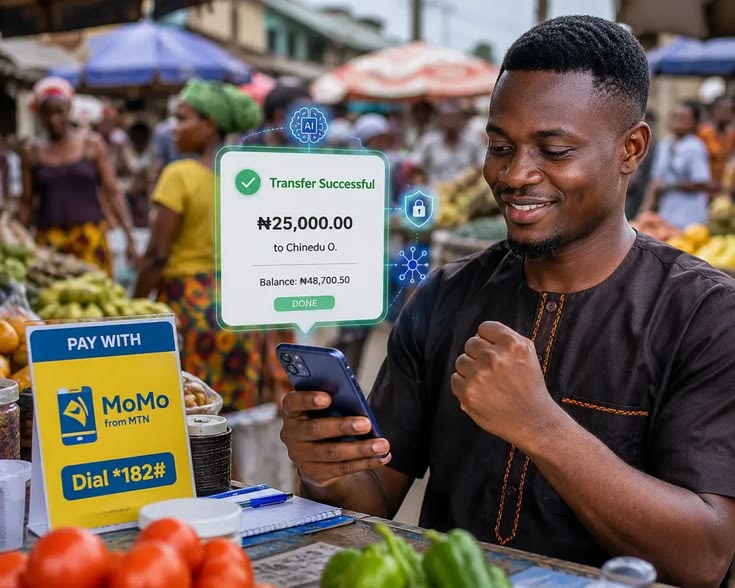
How to Receive International Payments in Africa
How to Receive International Payments in Africa: A Practical Guide for Young Africans
The internet has created new opportunities for young Africans to earn money beyond their local economies. Today, a graphic designer in Nigeria can work with a client in Canada, a software developer in Kenya can build products for a company in Germany, and a freelance writer in Ghana can create content for a business in the United States. Remote jobs, freelancing, digital products, and online businesses have made it possible to earn foreign income without leaving home.
However, getting paid internationally can be more complicated than finding clients. Different currencies, transfer fees, banking restrictions, verification requirements, and payment platform limitations can make receiving money a frustrating experience.
For young Africans hoping to build sustainable careers online, understanding international payments is essential. Fortunately, several legitimate payment methods can help freelancers, creators, entrepreneurs, and remote workers receive money from clients abroad.
This guide explains the available options, how to choose the right one, and the mistakes to avoid.
Why International Payments Matter for Young Africans
International payments allow Africans to participate in the global digital economy. Instead of depending entirely on local customers, young professionals can offer their skills to clients in different countries.
For example, a Nigerian video editor may earn dollars from a client in the United States. A Kenyan virtual assistant might receive euros from a European company. Similarly, a Ghanaian entrepreneur selling digital products can serve customers across multiple continents.
These opportunities can provide access to larger markets and potentially higher earnings. However, the amount a worker receives depends on several factors, including exchange rates, transaction fees, taxes, and the payment method.
Receiving international payments efficiently helps workers protect their earnings, manage expenses, and maintain professional relationships with clients.
1. Choose the Right International Payment Platform
The first step is selecting a payment service that supports your country, currency, and type of work. Not every international payment platform offers the same services across Africa.
Here are some options worth considering.
Payoneer
Payoneer is commonly used by freelancers, agencies, marketplace sellers, and businesses working with international customers. Depending on eligibility and country availability, users may access receiving accounts with details for supported foreign currencies.
These details can make it easier to receive payments from eligible businesses and marketplaces. Payoneer also supports certain cross-border transfers and withdrawals to local bank accounts.
Before opening an account, check its receiving methods, withdrawal options, fees, and currency conversion rates for your country.
PayPal
PayPal is widely recognised for online payments and purchases. Many international clients already use it, making it a convenient option where its receiving and withdrawal features are supported.
However, PayPal’s capabilities differ by country. A service that allows users in one country to receive and withdraw money may offer different functionality elsewhere.
Young Africans should therefore confirm whether their local PayPal account can receive commercial payments and withdraw funds before sharing payment details with clients.
Wise
Wise offers international money transfer services and, in eligible countries, multi-currency account features. It can help users move money between supported currencies at transparent exchange rates.
However, Wise does not provide identical account features everywhere. Availability of receiving account details depends on the user’s country, residence, and eligibility.
Check the official availability information before relying on Wise as your primary payment method.
Direct Bank Transfers
Some international clients prefer paying freelancers directly into their bank accounts. International bank transfers, including SWIFT transfers where supported, can be useful for larger invoices and established business relationships.
However, intermediary banks may deduct fees, and the recipient’s bank may charge additional fees for receiving foreign currency. Transfers can also take several business days.
Ask your bank which currencies it accepts, what account details the sender needs, and how incoming funds are converted or credited.
Other Regional Payment Services
Several African fintech companies offer cross-border transfers, international payment collection, or foreign-currency services in selected markets.
Their availability and features vary. Some focus on personal remittances, while others support freelancers and businesses receiving commercial payments.
Before choosing one, confirm that it legally supports your country of residence, permits your intended type of transaction, and allows withdrawals through a method you can actually use.
2. Understand the Difference Between Receiving and Withdrawing Money
One common mistake is assuming that a platform supporting international payments automatically allows users to withdraw those funds locally.
Receiving money and accessing money are two separate processes.
A payment service might allow you to receive dollars from an overseas client but restrict withdrawals to certain bank accounts or currencies. Another service might accept payments but charge additional fees when converting the balance into local currency.
Before accepting a payment, answer three questions:
- Can I receive money from this client’s country?
- Can I withdraw the funds into my local bank account?
- How much will I receive after fees and currency conversion?
Consider a freelancer who invoices a client for $500. The platform may deduct transaction fees, while currency conversion introduces another cost. Consequently, the final amount credited to the freelancer’s account may be lower than expected.
Always check the complete cost of receiving and withdrawing money rather than looking at one advertised fee.
3. Prepare the Documents Needed for Verification
Most legitimate financial platforms require users to verify their identities. These checks help prevent fraud, money laundering, and unauthorised account activity.
Depending on the provider and country, you may need:
- A valid government-issued identification document.
- Your legal name and date of birth.
- A residential address.
- A phone number and email address.
- Bank account details.
- Additional business or tax information, where applicable.
Make sure the information on your payment account matches your identification documents. Differences in names, dates of birth, or addresses can delay verification or trigger additional checks.
Never use false information or someone else’s identity to open an account. Similarly, avoid purchasing verified accounts from strangers on social media. Such arrangements can expose your money and personal information to theft.
4. Set Up a Professional Payment Process
Once you have selected a suitable platform, establish a simple process for getting paid.
First, agree on the project fee, payment currency, delivery deadline, and payment schedule with your client. Put these details in a written agreement or invoice.
Next, provide the payment information required by the chosen service. Share only the details necessary to receive the transfer. Never disclose your password, one-time verification code, or security credentials.
For freelance projects, consider requesting a deposit before beginning substantial work. You might also divide larger projects into milestones, allowing the client to pay as each stage is completed.
For example, a motion graphics designer could request 50 per cent upfront and the remaining 50 per cent after approval of the final video. The exact arrangement should reflect the project, client relationship, and agreed terms.
Finally, keep invoices, transaction receipts, contracts, and records of payments received. These documents help you track income, resolve disputes, and prepare for applicable tax obligations.
5. Protect Yourself From Payment Scams
International opportunities also attract scammers who target inexperienced freelancers and online entrepreneurs.
One common scam involves a supposed client sending a fake payment confirmation and asking the freelancer to begin work immediately. Another involves a person claiming that the freelancer must pay an unexpected release fee before receiving money.
Some scammers may also send excess payments and request refunds to a different account. The original payment may later prove fraudulent or be reversed.
Protect yourself by following these rules:
Verify payments independently. Check your actual payment account rather than trusting screenshots, emails, or messages sent by a client.
Never pay strangers to unlock earnings. Confirm any legitimate platform charge through its official website or support channel.
Use written agreements. Clearly document the work, price, deadlines, revision limits, and payment terms.
Avoid suspicious links. Access your payment provider through its official website or application instead of clicking unfamiliar links.
Keep your account secure. Use a strong, unique password and enable two-factor authentication where available.
If a payment seems suspicious, pause the transaction and contact the provider through its official support channels.
6. Pay Attention to Exchange Rates and Fees
Receiving foreign currency does not automatically guarantee that you will earn more.
Exchange rates fluctuate, and different providers use different conversion methods. Some charge a separate conversion fee, while others incorporate a margin into the exchange rate.
For instance, a freelancer earning $1,000 should compare the amount credited after conversion across available providers rather than choosing whichever service advertises the lowest transfer fee.
Consider these costs:
- Payment processing fees.
- International transfer charges.
- Intermediary bank fees.
- Currency conversion margins.
- Local withdrawal fees.
- Monthly or account maintenance charges, where applicable.
If your earnings are substantial, these costs can affect your overall income. Review them periodically because providers can change their prices and service conditions.
Also, remember that foreign-currency earnings may have tax implications in your country. Keep accurate records and consult a qualified tax professional when necessary.
7. Choose a Payment Method That Fits Your Career
The best payment option depends on what you do.
Freelancers working through international marketplaces should check which payment methods their platforms support. Remote employees should ask their employers whether they can pay through a supported international transfer provider. Entrepreneurs selling products online should investigate payment gateways that support their customers’ countries and their own business location.
For example, a Nigerian graphic designer working with several overseas clients may prefer a service that supports commercial payments and withdrawals to a Nigerian bank account. Meanwhile, a software developer employed by a foreign company may find that direct bank transfers work well for regular monthly salaries.
Do not open multiple accounts simply because other people recommend them. Start with one reliable, compliant option that meets your needs. Add another only when it solves a specific problem.
Conclusion
Receiving international payments in Africa is becoming more accessible, but young professionals still need to make informed decisions. The right payment method can help freelancers, remote workers, digital creators, and entrepreneurs access global opportunities without losing unnecessary money to fees or avoidable delays.
Start by checking which services support your country. Verify your identity, understand the difference between receiving and withdrawing funds, compare total costs, and establish a professional invoicing process. Most importantly, protect your account details and verify every payment before delivering work or issuing refunds.
International payment skills may seem like a small part of building an online career, but they are essential to turning global opportunities into actual income. When you understand how to receive, manage, and protect your earnings, you put yourself in a stronger position to grow your career and compete in the global marketplace.




Leave a reply




Africa’s Source for Breaking News | Entertainments | Health | Finance | Sports | Lifestyle and Business News.


