
The Untold Story Behind Tunisia’s Rising Cost of Living
The Untold Story Behind Tunisia’s Rising Cost of Living
Tunisia is known for its beautiful Mediterranean coastline, historic cities, traditional markets and rich cultural heritage.
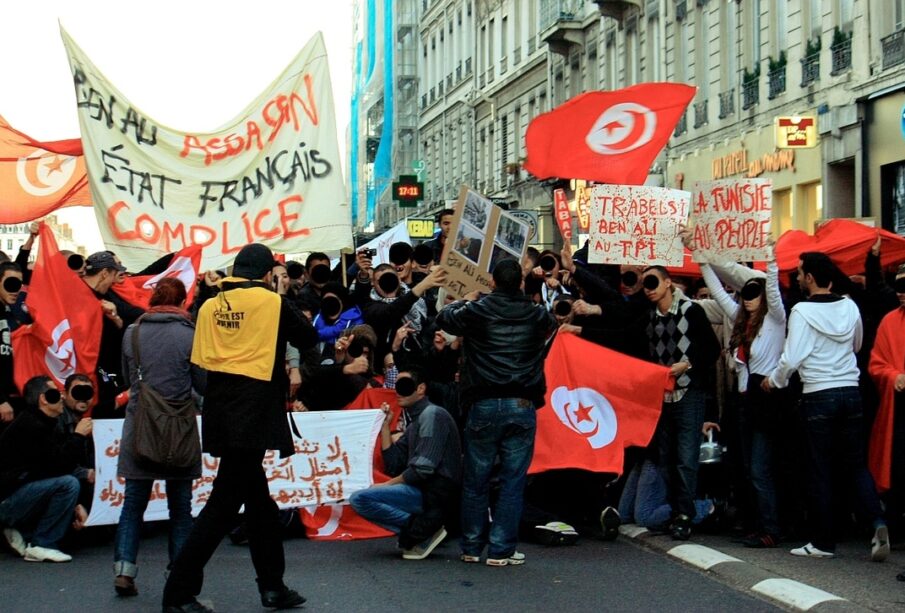
However, behind these attractions lies an economic challenge affecting millions of ordinary citizens: the rising cost of living. From groceries and transportation to housing and electricity, everyday expenses are putting increasing pressure on household budgets.
Although inflation often receives the blame, Tunisia’s affordability crisis has deeper roots. Economic stagnation, dependence on imported goods, currency pressures, unemployment and government debt have all contributed to the situation. For many families, the problem is no longer simply that prices are rising. It is that their incomes struggle to keep pace.
Understanding Tunisia’s rising cost of living requires looking beyond expensive supermarket shelves and crowded markets. It means examining the economic forces affecting the country and the difficult choices people make to survive.
1. The Economic Problems Behind Everyday Prices
Tunisia’s cost-of-living challenges reflect years of economic difficulties. The country has struggled to generate sufficient growth, create enough quality jobs and improve purchasing power for large sections of its population.
Businesses face rising operating expenses, including electricity, transportation, raw materials and equipment. When these costs increase, manufacturers, restaurant owners and retailers often raise their prices to remain profitable.
However, consumers do not always receive matching salary increases. Workers may continue earning approximately the same amount while spending more on basic necessities.
This creates a dangerous imbalance. Households have less money available for savings, education, healthcare and emergencies because essential expenses consume a growing share of their income.
Small businesses also face difficulties. When customers reduce their spending, businesses experience weaker demand. Some respond by cutting costs, delaying expansion or reducing employment. These decisions can further weaken household incomes, creating a cycle that is difficult to break.
2. Why Food Prices Are a Major Concern
Food represents one of the most important components of household spending in Tunisia. Families cannot simply stop buying bread, vegetables, cooking oil, milk and other essential products when prices increase.
Tunisia produces agricultural commodities such as olives, dates, citrus fruits and cereals. Nevertheless, domestic agriculture cannot satisfy every national requirement. The country has historically relied on imported cereals, particularly wheat, making local food costs vulnerable to international market conditions.
When global grain prices increase, shipping becomes more expensive or the Tunisian dinar weakens, importing essential food commodities can cost more.
Farmers also experience rising expenses for fertilisers, animal feed, fuel, machinery and irrigation. These costs can eventually reach consumers through higher prices for agricultural products.
Weather conditions create additional uncertainty. Drought and irregular rainfall can reduce harvests, limit supplies and increase pressure on food markets.
For ordinary families, these economic pressures translate into difficult decisions. Parents may purchase cheaper ingredients, reduce meat consumption or buy smaller quantities of food. Although these adjustments can help families manage immediate expenses, they may also affect nutrition and overall quality of life.
3. The Hidden Cost of Import Dependence
Another important factor is Tunisia’s dependence on international markets for energy, machinery, industrial materials and certain food products.
Imports help countries obtain goods they cannot produce efficiently at home. However, dependence becomes expensive when the local currency weakens or international commodity prices rise.
Suppose an imported product costs the same amount in euros or dollars. If the Tunisian dinar loses value against that currency, an importer may need more dinars to purchase the product.
Shipping, insurance and distribution costs can increase the final price further. Consequently, businesses may charge consumers more even when the imported product itself has not become more expensive internationally.
The effects extend beyond imported goods. Tunisian manufacturers may depend on foreign packaging, spare parts, machinery or ingredients. Higher import costs can therefore make locally manufactured products more expensive as well.
Energy costs also influence transportation and production. When fuel prices rise, moving agricultural produce from farms to markets becomes more expensive. Retailers and distributors may pass some of these expenses to customers.
This explains why international economic developments can affect the price of everyday products in Tunisian homes.
4. Inflation Can Fall Without Making Life Cheaper
One of the most misunderstood aspects of Tunisia’s economic situation is the difference between inflation and the actual cost of goods.
Inflation measures the rate at which prices increase. When inflation falls, prices generally rise more slowly. It does not necessarily mean that products become cheaper.
Tunisia’s official statistics illustrate this distinction. According to the National Institute of Statistics, annual inflation averaged 5.3% in 2025, compared with 7% in 2024. Nevertheless, food prices continued to increase during the year. In December 2025, food inflation reached 6.1% year-on-year.
These figures help explain why households may experience little relief even when economic reports describe inflation as moderating.
Imagine a family that previously spent 100 dinars on groceries. After several years of price increases, the same basket might cost considerably more. Even if inflation subsequently slows, the family must continue paying the higher price unless prices actually decline.
Therefore, reducing inflation is important, but it does not automatically restore purchasing power. Households also need stronger incomes, better employment opportunities and more affordable essential goods.
5. Low Wages and Unemployment Make Matters Worse
Rising prices become especially damaging when people cannot increase their earnings.
Tunisia has experienced persistent employment challenges, particularly among young people and university graduates. Some workers struggle to find jobs that match their qualifications, while others depend on temporary employment, informal activities or businesses with unpredictable earnings.
Even people with steady jobs can experience financial difficulties when their salaries fail to keep pace with living expenses.
Consider a worker who receives a salary increase while rent, food and transportation costs rise by a greater percentage. Although the worker earns more money on paper, their purchasing power declines.
Young adults face additional obstacles when trying to become independent. High rents and everyday expenses can make it difficult to move out, save money, start a business or establish a family.
For households with limited incomes, unexpected expenses can quickly become financial emergencies. A medical bill, school expense or vehicle repair may force a family to borrow money or postpone another essential payment.
Ultimately, Tunisia’s cost-of-living crisis is closely connected to employment. Without reliable jobs and adequate earnings, families struggle to benefit from improvements in the wider economy.
6. Government Subsidies and the Debt Challenge
The Tunisian government has used subsidies and regulated prices to protect consumers from some increases in the cost of essential goods and energy.
These measures can provide important relief, especially for lower-income households. However, maintaining subsidies requires substantial public resources.
When government revenue is insufficient to cover spending, authorities face difficult choices. They may borrow more money, increase revenue, reduce spending elsewhere or adjust subsidy arrangements.
Each option carries consequences. Higher borrowing increases future debt obligations, while spending cuts can affect public services and investment. Meanwhile, reducing subsidies may expose consumers to higher prices.
The challenge is finding a balance between protecting vulnerable citizens and maintaining sustainable public finances.
Better-targeted assistance could help direct support towards households that need it most. At the same time, improving public spending, strengthening tax administration and encouraging productive investment could help the government create more room for essential social programmes.
7. Housing and Transportation Add to Household Pressure
Food is only one part of Tunisia’s affordability problem. Rent, electricity, water, education and transportation also consume significant portions of household income.
In major urban centres, housing costs can be particularly challenging for students, young professionals and families seeking access to employment opportunities.
Transportation adds another burden. Workers who travel long distances must pay for public transport, fuel or vehicle maintenance. Businesses also face delivery expenses, which can influence the prices consumers pay.
These costs interact. A family spending more on rent has less money available for groceries. Higher transportation expenses leave less room for healthcare, education or savings.
Consequently, even improvements in food inflation may not provide enough relief if other essential expenses remain high.
8. Can Tunisia Overcome the Crisis?
Addressing Tunisia’s rising cost of living requires more than temporary price controls. The country needs stronger economic growth, better employment opportunities and increased domestic productivity.
Investment in agriculture could improve food security and reduce exposure to international supply disruptions. Better storage facilities, irrigation systems and distribution networks could also reduce agricultural losses and help products reach consumers more efficiently.
Expanding renewable energy could gradually reduce dependence on imported energy resources. Meanwhile, a more predictable business environment could encourage investment, support small enterprises and create employment.
The government must also strengthen social protection so that vulnerable households can access essential goods and services. These measures should complement broader reforms rather than replace them.
Progress will take time, but sustainable improvements in productivity, employment and household income can help make economic growth meaningful to ordinary citizens.
Conclusion
Tunisia’s rising cost of living is about much more than expensive groceries or higher household bills. It reflects the combined effects of economic stagnation, import dependence, unemployment, currency pressures and the financial challenges facing the government.
The country’s experience also demonstrates why slower inflation does not necessarily mean that people are becoming better off. When prices have already increased substantially, households need stronger purchasing power and more reliable incomes to regain financial stability.
Ultimately, Tunisia must make economic progress visible in everyday life. Better jobs, competitive local industries, reliable food supplies and effective social protection can help families manage expenses without continually sacrificing their quality of life.
Until these improvements reach ordinary households, many Tunisians will continue facing the same difficult question: how can they maintain a decent standard of living when the cost of meeting basic needs keeps rising?
The untold story is not simply that Tunisia has become more expensive. It is that keeping up with ordinary life has become an increasingly difficult struggle for many of its citizens.


Leave a reply




Africa’s Source for Breaking News | Entertainments | Health | Finance | Sports | Lifestyle and Business News.


