
How to Stay Motivated During Challenges
How to Stay Motivated During Challenges
Life rarely moves in a straight line.
Everyone experiences difficult periods, whether caused by financial pressure, career setbacks, personal disappointment, family responsibilities, or uncertainty about the future. During these moments, staying motivated can feel difficult.
However, motivation does not always come before action. Sometimes, taking small steps creates the motivation needed to continue. Learning how to manage difficult periods can help you remain focused, adaptable, and hopeful.
Accept That Difficult Periods Are Normal
The first step is accepting that challenges are part of life. Feeling tired, frustrated, or uncertain does not automatically mean you are failing.
Instead of asking, “Why is this happening to me?” try asking, “What can I learn or do next?” This shift can make a difficult situation feel more manageable.
Acceptance also prevents you from wasting energy pretending everything is fine. You can acknowledge that something is difficult while still looking for ways forward.
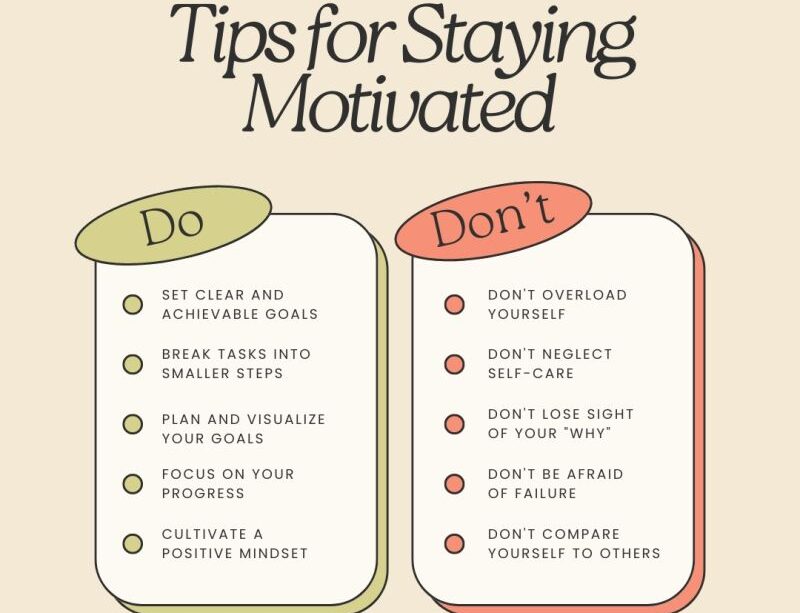
Focus on Small, Achievable Goals
Large goals can feel overwhelming when you are already under pressure. Breaking them into smaller tasks makes progress easier to see.
For example, someone trying to improve their career may not be able to solve everything at once. They could start by:
- Learning one useful skill each week.
- Updating their portfolio or CV.
- Applying for a few relevant opportunities.
- Connecting with one professional.
- Completing one important task each day.
Small wins create a sense of progress. Over time, these actions can build momentum.
Remember Why You Started
Challenges can make you forget the reason you began pursuing a particular goal. Revisiting your original motivation can restore some of your determination.
Write down what you want to achieve and why it matters. Your reason might involve building financial stability, supporting your family, developing your talents, improving your lifestyle, or creating opportunities for others.
When the process becomes difficult, your purpose can remind you that temporary discomfort does not necessarily mean the goal is wrong.
Create a Simple Routine
Motivation becomes harder to maintain when every day feels disorganized. A simple routine can provide structure even during stressful periods.
You might establish a few daily priorities, such as:
- Wake up at a consistent time.
- Identify the three most important tasks.
- Complete one difficult task before unnecessary distractions.
- Take regular breaks.
- Review your progress at the end of the day.
The routine does not have to be perfect. Its purpose is to keep you moving when motivation is low.
Surround Yourself With Encouragement
Your environment can influence how you respond to challenges. Spending time with supportive people can help you maintain perspective.
Talk to friends, family members, mentors, colleagues, or other people who understand what you are experiencing. You do not always need someone to solve your problems. Sometimes, simply being heard can make a difficult situation feel lighter.
At the same time, reduce unnecessary exposure to people or online content that constantly makes you feel inadequate or discouraged.
Learn From Setbacks
A setback can be painful, but it can also provide useful information. Instead of treating failure as proof that you cannot succeed, examine what happened.
Ask yourself:
- What went wrong?
- What was within my control?
- What could I do differently?
- What did this experience teach me?
- What is the next practical step?
This approach turns setbacks into feedback rather than permanent judgments about your abilities.
Take Care of Your Energy
Motivation is difficult to sustain when you are constantly exhausted. Rest is therefore not the opposite of productivity. It can support it.
Try to prioritize adequate sleep, regular meals, movement, relaxation, and time away from work. Even a short walk or a few minutes of quiet time can provide a useful mental reset.
You do not need to be productive every minute to make meaningful progress.
Stop Comparing Your Journey
Comparison can quickly destroy motivation. Seeing someone else’s success may make your own progress appear insignificant, even when you have come a long way.
Remember that people begin with different resources, opportunities, responsibilities, and circumstances. Instead of constantly comparing yourself with others, compare your current position with where you were previously.
Ask, “Am I learning, improving, or moving forward?”
Even slow progress is still progress.
Keep Moving, Even When Motivation Is Low
One of the most important lessons about motivation is that you cannot always wait to feel inspired. There will be days when you do not feel enthusiastic. On those days, lower the standard rather than abandoning the goal completely.
If you cannot work for two hours, work for twenty minutes. If you cannot complete the entire project, finish one section. If you cannot solve the whole problem, identify the next step.
Consistency often matters more than intensity.
Celebrate Progress
Do not wait until you reach the final destination before acknowledging your achievements. Recognize the smaller milestones along the way.
Completing a difficult task, learning a new skill, overcoming a fear, saving money, improving your routine, or simply continuing after a setback can all represent meaningful progress.
Celebrating these moments reinforces the belief that your efforts are producing results.
Final Thoughts
Staying motivated during challenges does not mean remaining positive every second. It means finding enough strength and structure to keep moving despite uncertainty.
Accept difficult moments, focus on manageable goals, remember your purpose, protect your energy, and learn from setbacks. Most importantly, give yourself permission to progress slowly when necessary.
You may not be able to control every challenge you face, but you can often control your next step. Sometimes, that next small step is enough to begin moving forward again.




Leave a reply




Africa’s Source for Breaking News | Entertainments | Health | Finance | Sports | Lifestyle and Business News.


