
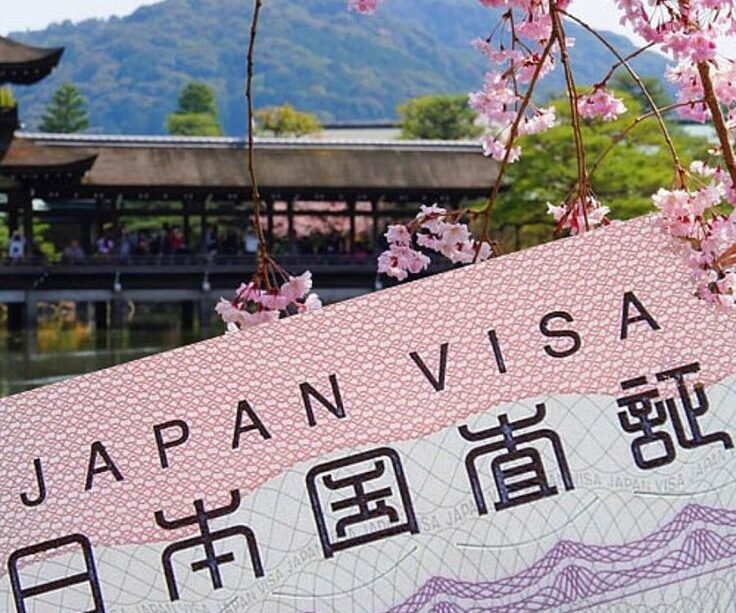
Japan Tourist Visa
Libyan citizens generally need a visa before travelling to Japan for tourism, and the application process requires careful preparation of travel documents, financial evidence and an application through the appropriate Japanese diplomatic mission.
However, applicants living in Libya face an additional consideration: the Embassy of Japan in Libya has suspended visa application services, so applicants must confirm which Japanese embassy or consulate currently accepts their application before making travel arrangements.
If you are planning a holiday in Japan, this guide explains how to prepare your application, identify the correct embassy, organise your documents and avoid mistakes that could delay your trip.
Before You Apply: Important Information
| Requirement | What applicants should know |
|---|---|
| Nationality | Libyan citizens generally require a visa for Japan |
| Visa type | Short-term stay for tourism |
| Application location | Confirm the Japanese mission currently accepting applications |
| Embassy of Japan in Libya | Visa services have been suspended according to published information |
| Application method | Depends on the mission responsible for your application |
| Passport | Valid passport required |
| Travel purpose | Tourism and short-term sightseeing |
| Visa approval | Not guaranteed; immigration authorities make the final entry decision |
Important: Visa rules and diplomatic service arrangements can change. Confirm the latest instructions with the Japanese embassy or consulate you intend to use before booking flights or paying non-refundable travel costs.
Step 1: Confirm Where You Can Submit Your Application
This is the most important step for applicants in Libya.
The Embassy of Japan in Libya’s published consular information indicates that visa applications are not currently being accepted locally. Applicants should therefore contact an appropriate Japanese diplomatic mission before preparing to submit their documents.
The Embassy of Japan in the United Kingdom has previously published guidance stating that visa applications from Libyan nationals and certain residents of Libya were accepted in London following the temporary closure of consular services in Libya.
Other Japanese missions may also accept applications depending on nationality, residence status and their current jurisdictional arrangements.
Before choosing a mission, ask:
- Do you accept applications from Libyan nationals currently living in Libya?
- Must I hold legal residence in your country?
- Can I submit my application in person?
- Is an appointment required?
- What documents must I provide?
- How long does processing normally take?
- Must I collect my passport personally?
- Are applications submitted through an authorised agency?
- What is the current visa fee?
Do not assume that every Japanese embassy accepts applications from applicants who live outside its jurisdiction.
Official starting points:
- Embassy of Japan in Libya
- Embassy of Japan in the United Kingdom — Visa information
- Japan Ministry of Foreign Affairs — Visa information
Step 2: Choose the Correct Visa Category
For a holiday, sightseeing, visiting attractions or travelling around Japan without undertaking paid employment, you will generally need to apply for a short-term stay visa for tourism.
Your application should clearly explain why you want to visit Japan and what you intend to do during your stay.
Typical tourism activities include:
- Visiting Tokyo, Kyoto, Osaka and other cities
- Sightseeing
- Visiting museums and cultural attractions
- Shopping
- Exploring Japanese food and culture
- Visiting friends where tourism remains the principal purpose, subject to the appropriate visa category
If you intend to work, study long-term, undertake paid activities or stay for a purpose other than tourism, do not apply under the tourist category simply because it appears convenient.
The visa category must match your actual travel purpose.
Step 3: Prepare Your Passport
Your passport is one of the most important documents in your application.
Before submitting it, check:
- Your passport is valid.
- Your personal information is accurate.
- The passport is in good condition.
- There are sufficient blank pages for visa processing.
- Your passport details match the information on your application form.
- Your travel dates are consistent with your planned itinerary.
If your passport is close to expiry, renew it before applying where necessary.
Although passport validity rules can differ between destinations and visa procedures, travelling with a passport that expires shortly after your planned return can create unnecessary complications.
Step 4: Complete the Japan Visa Application Form
Download the application form from the Japanese embassy or consulate responsible for your application.
Complete every section carefully.
The application generally asks for information such as:
- Full name
- Date and place of birth
- Nationality
- Passport number
- Address
- Occupation
- Travel dates
- Intended duration of stay
- Accommodation
- Travel purpose
- Previous travel information
- Contact details
Use the information exactly as it appears in your passport and supporting documents.
Avoid leaving unexplained blank spaces. If a question does not apply to you, follow the embassy’s instructions on whether to write “N/A” or leave the section blank. And if the mission requires a handwritten application, use clear writing. If it permits a typed form, ensure the printed copy is legible.
Never submit inconsistent information simply to make your application appear stronger.
Step 5: Obtain a Suitable Passport Photograph
The Japanese visa application process requires a photograph that meets the receiving mission’s specifications.
Photograph requirements can vary slightly depending on the embassy, so check the exact instructions before taking your picture.
Common requirements may include:
- A recent photograph
- Plain background
- Clear facial visibility
- Appropriate dimensions
- No distracting accessories
- Correct positioning
- No heavy editing
Do not reuse an old photograph if your appearance has changed significantly.
A photograph that fails the required specifications may cause the mission to request a replacement.
Step 6: Prepare Your Travel Itinerary
Your itinerary should explain how you intend to spend your time in Japan.
A reasonable itinerary might include:
| Day | Destination | Planned activity |
|---|---|---|
| Day 1 | Tokyo | Arrival and hotel check-in |
| Day 2 | Tokyo | Shibuya, city sightseeing |
| Day 3 | Tokyo | Museums and cultural attractions |
| Day 4 | Hakone | Day trip and sightseeing |
| Day 5 | Kyoto | Travel and accommodation check-in |
| Day 6 | Kyoto | Temples and cultural sites |
| Day 7 | Osaka | Food, shopping and sightseeing |
| Day 8 | Osaka | Departure |
The itinerary does not need to include every minute of your trip. It should, however, be realistic and consistent with your accommodation, travel dates and budget.
If you plan to visit several cities, explain how you will travel between them.
Do not create an itinerary that suggests impossible distances or contradictory hotel bookings.
Step 7: Provide Accommodation Information
Your accommodation details help the embassy understand where you intend to stay.
Depending on the mission’s requirements, you may need to provide:
- Hotel reservations
- Accommodation addresses
- Booking confirmation
- Contact details
- Information about a host, if staying with someone
If you are staying in several cities, include the accommodation details for each relevant location.
Avoid submitting fake hotel reservations or fabricated invitation letters.
If your booking is refundable, understand the cancellation conditions before paying.
Step 8: Demonstrate That You Can Finance the Trip
Financial evidence helps demonstrate that you can support yourself during your visit.
The embassy may request documents such as:
- Bank statements
- Salary slips
- Employment letters
- Business registration documents
- Tax records
- Evidence of savings
- Sponsorship documents, where applicable
The exact requirements depend on the mission.
Your financial documents should tell a consistent story about your ability to pay for accommodation, transport, food, activities and other expenses.
If someone else is sponsoring your trip, provide the requested sponsorship documentation and explain your relationship with the sponsor.
Avoid suddenly depositing unexplained large sums into your account simply to make the balance look higher. A financial statement should reflect a credible source of funds.
Step 9: Prepare Supporting Documents
Depending on the embassy’s instructions and your personal circumstances, additional supporting documents may be required.
These could include:
- Employment confirmation
- Business documents
- Student documentation
- Evidence of family ties
- Previous travel history
- Sponsor’s identification
- Sponsor’s financial documents
- Residence permits, if applying outside Libya
- Additional explanation letters
Employed? an employer’s letter may help explain your occupation, leave approval and expected return to work.
Are you self-employed? you may need to provide evidence of business activity and financial circumstances.
If you are unemployed, do not invent employment. Explain your circumstances honestly and provide appropriate evidence of how the trip will be funded.
Step 10: Arrange Your Appointment and Submit the Application
Once you have confirmed the correct Japanese diplomatic mission, follow its submission instructions.
Some missions require appointments, while others use authorised visa application centres or agencies.
Before attending:
- Review the embassy’s document checklist.
- Arrange documents in the required order.
- Confirm the appointment date.
- Check the application fee and payment method.
- Confirm whether you must attend personally.
- Verify whether biometric information or an interview may be required.
- Keep copies of your documents.
During submission, answer questions clearly and truthfully.
If the consular officer requests additional documentation, respond according to the instructions and deadline provided.
Step 11: Pay the Applicable Visa Fee
Japan’s visa fees depend on the visa type, nationality, diplomatic mission and applicable arrangements.
Some nationalities may receive different fee treatment, while certain missions may charge additional service fees when applications are processed through external agencies.
Do not rely on a fee quoted by an unofficial website.
Confirm the current fee directly with the mission accepting your application and ask:
- Which currency is accepted?
- What payment method is permitted?
- Is the fee refundable if the visa is refused?
- Are agency charges separate?
- Does the mission require payment at submission or collection?
Keep your payment receipt where applicable.
Step 12: Wait for Processing and Respond to Requests
Processing times vary. The embassy may need to review your documents, confirm information or request additional evidence.
Avoid purchasing non-refundable flights until you understand the risks and the mission’s recommendations.
If you have a planned departure date, apply well in advance.
Monitor the contact details you provided. Missing an embassy email or phone call could delay your application.
Step 13: Collect Your Passport and Verify the Visa
When the embassy completes processing, follow its instructions for collecting your passport.
If your visa is approved, check the details carefully:
- Your name
- Passport number
- Visa validity dates
- Number of entries
- Conditions
- Any relevant remarks
If you notice an error, contact the issuing mission immediately.
Remember that a visa does not automatically guarantee entry into Japan. Immigration authorities make the final decision at the point of arrival.
Common Mistakes to Avoid
Applying at the wrong embassy
Because local visa services in Libya have been suspended, confirm which mission accepts your application before travelling to another country.
Submitting inconsistent documents
Your itinerary, bank statements, accommodation and application form should support the same travel plan.
Using fake reservations
Fabricated documents can damage your application and create future immigration problems.
Waiting until the last minute
Visa processing may take longer if the embassy requests additional documents.
Ignoring jurisdiction requirements
A mission may accept applicants only from people who live within its designated area or have an appropriate residence status.
Booking expensive travel too early
Avoid non-refundable commitments before understanding the visa process and the risks involved.
Your Japan Holiday Starts With Proper Preparation
Applying for a Japan tourist visa from Libya requires more than completing a form. Applicants must identify the correct diplomatic mission, prepare credible supporting documents and follow the embassy’s instructions carefully.
Start by confirming where your application can be submitted. Then organise your passport, itinerary, accommodation, financial evidence and supporting documents before booking an appointment.
A well-prepared application cannot guarantee approval, but it can reduce avoidable errors and make the process more straightforward.
For the latest visa instructions, always consult the Japanese embassy or consulate handling your application and Japan’s Ministry of Foreign Affairs.
FAQs
1. Do Libyan citizens need a visa to visit Japan?
Yes. Libyan citizens generally need a visa before travelling to Japan for tourism.
2. Can I apply for a Japan tourist visa at the Embassy of Japan in Libya?
Published consular information indicates that visa application services in Libya have been suspended. Confirm the current status directly with the embassy and identify an appropriate Japanese mission accepting your application.
3. Can I apply at the Japanese Embassy in London if I live in Libya?
The Embassy of Japan in the UK has published guidance accepting visa applications from Libyan nationals and certain residents of Libya following the closure of consular services in Libya. Contact the embassy directly to confirm whether it currently accepts your specific application and what requirements apply.
4. What documents do I need for a Japan tourist visa?
Common documents include a valid passport, application form, photograph, travel itinerary, accommodation details and financial evidence. The receiving embassy may require additional documents.
5. How long does it take to get a Japan tourist visa?
Processing times depend on the diplomatic mission, application completeness and individual circumstances. Confirm the current processing timeline with the embassy and apply well before your intended departure.




Leave a reply




Africa’s Source for Breaking News | Entertainments | Health | Finance | Sports | Lifestyle and Business News.


