
Managing Business Risks Effectively
Every business, regardless of its size or industry, faces risks.
From economic downturns and cybersecurity threats to supply chain disruptions and changing customer preferences, uncertainty is a constant part of doing business. While risks cannot be completely eliminated, they can be identified, assessed, and managed to reduce their impact.
Effective business risk management is not about avoiding every challenge. Instead, it involves preparing for potential problems, making informed decisions, and building a resilient organization that can adapt to change. Businesses that proactively manage risks are better equipped to protect their assets, maintain customer trust, and achieve long-term growth.
This article explores the importance of managing business risks effectively, the different types of business risks, and practical strategies that organizations can use to minimize potential threats.
What Is Business Risk?
Business risk refers to any event or circumstance that could negatively affect a company’s ability to achieve its objectives. These risks may result in financial losses, operational disruptions, legal issues, reputational damage, or reduced competitiveness.
Some risks arise from internal factors such as poor management or employee misconduct, while others come from external sources like market fluctuations, natural disasters, government regulations, or technological changes.
Recognizing these risks early allows businesses to develop strategies that reduce their impact.
Common Types of Business Risks
1. Financial Risks
Financial risks include cash flow problems, rising operating costs, inflation, fluctuating exchange rates, and unpaid customer debts. Poor financial planning can quickly threaten business survival.
2. Operational Risks
Operational risks stem from failures in internal processes, equipment breakdowns, human error, or inefficient systems. These issues can interrupt daily business activities and reduce productivity.
3. Strategic Risks
Strategic risks occur when business decisions fail to produce expected outcomes. Entering the wrong market, launching unsuccessful products, or failing to respond to industry trends can limit growth opportunities.
4. Compliance and Legal Risks
Businesses must comply with local laws, tax regulations, labor standards, and industry-specific requirements. Failure to meet these obligations may result in fines, lawsuits, or license suspensions.
5. Cybersecurity Risks
As businesses increasingly rely on digital technologies, cyberattacks have become a major concern. Data breaches, ransomware attacks, phishing scams, and identity theft can damage both finances and reputation.
6. Reputational Risks
Negative publicity, poor customer service, unethical practices, or product failures can harm a company’s reputation. Rebuilding customer trust often takes years and significant investment.
7. Market Risks
Consumer preferences, competition, technological innovation, and economic conditions constantly evolve. Businesses that fail to adapt risk losing market share.
Why Risk Management Matters
Businesses that actively manage risks enjoy several advantages:
- Better decision-making through informed planning.
- Reduced financial losses.
- Improved operational efficiency.
- Stronger customer and investor confidence.
- Greater resilience during crises.
- Increased compliance with legal requirements.
- Enhanced long-term sustainability.
Rather than reacting to problems after they occur, risk management enables organizations to prepare in advance.
Steps to Manage Business Risks Effectively
Identify Potential Risks
The first step is identifying every possible risk that could affect the business. This process involves reviewing operations, finances, technology, supply chains, customer relationships, and regulatory obligations.
Employee feedback, customer complaints, industry reports, and historical data often provide valuable insights into potential vulnerabilities.
Assess the Impact
Not every risk carries the same level of importance. Businesses should evaluate each risk based on two factors:
- The likelihood of it occurring.
- The severity of its impact.
Prioritizing risks allows management to focus resources where they are needed most.
Develop Risk Response Strategies
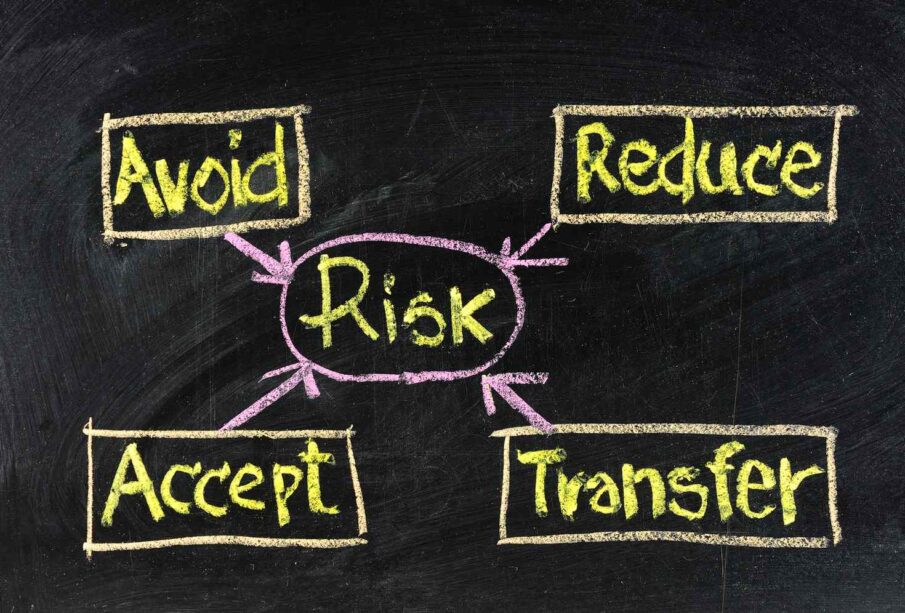
Businesses generally respond to risks using four approaches:
Avoid the Risk
If a particular activity presents unacceptable danger, the company may choose not to pursue it.
Reduce the Risk
Implement controls, policies, employee training, and technology to lower the chances of the risk occurring.
Transfer the Risk
Some risks can be transferred through insurance policies, outsourcing agreements, or contractual arrangements.
Accept the Risk
Minor risks with limited consequences may be accepted while monitoring them closely.
Create a Business Continuity Plan
Unexpected disruptions can occur at any time. A business continuity plan outlines how the organization will continue operating during emergencies.
The plan should include:
- Emergency contacts.
- Data backup procedures.
- Alternative suppliers.
- Remote work arrangements.
- Communication strategies.
- Recovery timelines.
Regular testing ensures the plan remains effective.
Monitor Risks Continuously
Business environments constantly change. New competitors emerge, regulations evolve, and technology advances rapidly.
Organizations should regularly review risk assessments and update mitigation strategies as circumstances change.
Building a Risk-Aware Culture
Risk management is everyone’s responsibility, not just senior executives.
Businesses can strengthen their risk culture by:
- Encouraging employees to report concerns.
- Providing regular risk management training.
- Promoting ethical behavior.
- Establishing clear internal policies.
- Rewarding proactive problem-solving.
When employees understand their role in identifying and managing risks, organizations become more resilient.
The Role of Technology in Risk Management
Modern technology has significantly improved business risk management.
Businesses now use:
- Cloud-based backup systems.
- Cybersecurity software.
- Financial monitoring tools.
- Artificial intelligence for fraud detection.
- Data analytics to identify trends.
- Project management platforms for operational oversight.
These tools help organizations detect problems earlier and respond more quickly.
Risk Management for Small Businesses
Small businesses often operate with limited resources, making effective risk management even more important.
Practical measures include:
- Maintaining emergency savings.
- Diversifying income sources.
- Keeping accurate financial records.
- Purchasing appropriate insurance.
- Backing up business data regularly.
- Building strong customer relationships.
- Developing multiple supplier partnerships.
Simple preventive measures can prevent costly disruptions.
Common Mistakes Businesses Should Avoid
Many organizations make avoidable mistakes when managing risks, including:
- Ignoring warning signs.
- Depending on a single customer or supplier.
- Failing to update risk assessments.
- Neglecting cybersecurity.
- Poor documentation.
- Inadequate employee training.
- Lack of emergency planning.
Avoiding these pitfalls strengthens business stability.
Managing Risks in African Businesses
Businesses across Africa face unique opportunities and challenges. While entrepreneurship continues to grow rapidly, many organizations must also navigate infrastructure gaps, currency fluctuations, regulatory changes, and logistics challenges.
Successful African businesses often reduce risks by:
- Diversifying suppliers across regions.
- Embracing digital payment systems.
- Investing in staff development.
- Building strong community relationships.
- Leveraging mobile technology.
- Maintaining financial discipline.
- Monitoring local and international market trends.
As digital transformation expands across the continent, businesses that combine innovation with sound risk management are better positioned for sustainable growth.
Conclusion
Risk is an unavoidable part of running any business, but it does not have to become a barrier to success. Organizations that identify potential threats early, prepare appropriate responses, and regularly review their strategies are more likely to withstand challenges and seize new opportunities.
Effective business risk management is an ongoing process rather than a one-time task. By fostering a culture of preparedness, investing in technology, maintaining financial discipline, and planning for uncertainty, businesses can protect their operations while creating a strong foundation for long-term success.
In an increasingly unpredictable business environment, the ability to manage risks effectively is no longer optional—it is a critical ingredient for resilience, competitiveness, and sustainable growth.




Leave a reply






Africa’s Source for Breaking News | Entertainments | Health | Finance | Sports | Lifestyle and Business News.


