Morocco’s Music Scene in 2026: Sounds Taking Over Africa
Morocco's Music Scene in 2026
Morocco’s music scene is gaining attention through a powerful combination of hip-hop, traditional sounds, regional languages and modern production.
Moroccan rap currently leads much of the country’s mainstream streaming conversation, while Gnawa, chaabi, Amazigh music and electronic experimentation continue to shape its wider identity. Artists are increasingly finding audiences beyond Morocco, creating opportunities for the country’s music industry to compete more confidently with internationally recognised African movements such as Afrobeats and amapiano.
The opportunity, however, goes beyond producing one viral song. Morocco needs stronger international distribution, consistent artist development, more cross-border collaborations and investment in the people who work behind the music. Its cultural identity is already rich enough to support a distinctive global sound. The next challenge is turning that identity into a sustainable music export.
Morocco’s music scene in 2026: What is changing?
Moroccan music is not a single genre. It is a meeting point for Arabic, Amazigh, African, Mediterranean and global influences. Traditional forms continue to carry cultural meaning, while younger musicians use rap, trap, R&B, electronic production and pop to express modern urban experiences.
Streaming platforms have made this transformation easier to observe. Spotify’s 2025 Wrapped results showed the strength of Moroccan hip-hop at home. ElGrandeToto remained the country’s most-streamed artist, while Stormy and Shaw also featured prominently. Draganov and Inkonnu helped demonstrate the range of styles attracting listeners.
The results were not simply a victory for one established rapper. They showed that Moroccan audiences are building sustained relationships with local artists, albums and songs. That domestic loyalty matters because a music industry needs a strong home market before it can reliably expand abroad.
Morocco’s current musical momentum also reflects a wider shift across the Arabic-speaking world. Artists are finding that they do not always need to abandon local language or identity to reach international listeners. Instead, distinctive accents, regional references and familiar cultural details can make music more recognisable.
1. Moroccan rap is leading the mainstream conversation
Rap has become one of the most visible forces in contemporary Moroccan popular music. Its appeal comes partly from its flexibility. Artists can address ambition, relationships, money, social pressure, neighbourhood life and personal struggles while experimenting with different production styles.
ElGrandeToto remains a major figure in this movement. His continued popularity demonstrates the commercial strength of Moroccan rap and the influence an artist can build by maintaining a recognisable identity. His music also reflects the way Moroccan performers can combine local expression with international hip-hop conventions.
Stormy brings another dimension to the scene. His music has attracted attention through polished production and emotionally focused writing. Rather than relying only on aggressive rap delivery, artists in this space can move between melodic hooks, introspection and energetic rhythms.
Shaw has also helped broaden the conversation. His sound draws from alternative music, African rhythms and influences associated with raï and chaabi. This mixture illustrates an important feature of Moroccan music: the country’s emerging stars do not always treat genre boundaries as fixed.
Draganov and Inkonnu represent additional creative directions. Their presence in the 2025 streaming conversation shows that listeners are willing to support artists with distinct approaches to storytelling, flow and production.
The important point is not that every Moroccan rapper sounds alike. It is that the scene has developed enough depth for different artistic identities to find audiences at the same time.
2. Darija gives Moroccan music a recognisable identity
Language is one of Morocco’s strongest musical assets. Moroccan Darija, the country’s everyday Arabic dialect, carries expressions, rhythms and cultural references that can make a song immediately identifiable.
Artists may combine Darija with French, English, Spanish or other languages. This reflects the multilingual environments in which many Moroccan listeners live, work and communicate. Such code-switching can also help performers connect with different audiences, including Moroccan communities abroad.
However, international ambition should not require artists to remove the language that makes their work distinctive. Music from other regions has shown that audiences can connect emotionally with songs even when they do not understand every lyric. Rhythm, vocal delivery, melody, performance and visual storytelling can communicate meaning beyond translation.
Moroccan artists can build on this advantage by providing accurate lyric translations, subtitles and accessible artist biographies. These small steps can help listeners outside North Africa understand the references without changing the original music.
3. Gnawa remains one of Morocco’s strongest cultural signatures
While rap dominates much of the current streaming conversation, Morocco’s traditional music provides a deeper cultural foundation. Gnawa is particularly important because its musical practices connect Morocco with wider African histories and spiritual traditions.
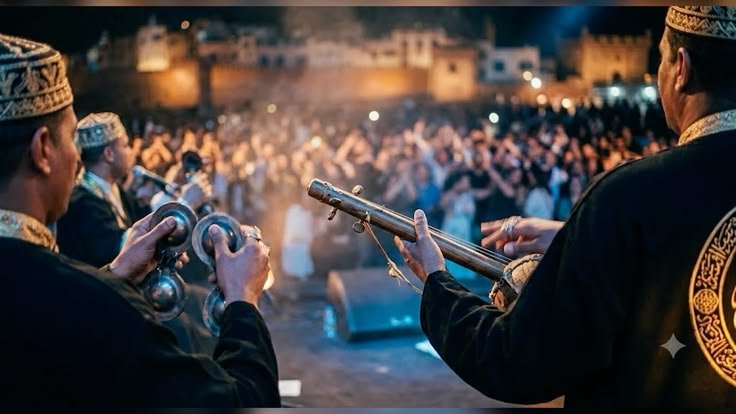
Gnawa combines music, performance, communal practices and ritual elements. Its sound often features the guembri, a three-stringed bass instrument, alongside qraqeb, the metal castanets that create its distinctive rhythmic patterns. Performances can build gradually through repetition, call-and-response and intense percussion.
UNESCO inscribed Gnawa on its Representative List of the Intangible Cultural Heritage of Humanity in 2019. The recognition reflects its cultural significance and the role of musicians and communities in keeping the tradition alive.
For younger producers, Gnawa offers opportunities for creative collaboration. Its rhythms and instrumentation can inform contemporary electronic music, live arrangements, film scores and experimental projects. Yet artists should approach these collaborations with respect. Traditional musicians deserve recognition, fair payment and meaningful creative participation rather than being treated as sources of samples to be used without context.
The Gnaoua World Music Festival in Essaouira has also helped bring the tradition to wider audiences. Such platforms show how cultural preservation and contemporary performance can support each other.
4. Chaabi, Amazigh music and other regional sounds add depth
Morocco’s musical identity extends far beyond rap and Gnawa. Chaabi remains an important popular tradition, particularly at weddings, celebrations and social gatherings. Its lively rhythms and accessible melodies make it part of everyday cultural life.
Amazigh music also contributes a distinctive range of languages, instruments, melodies and regional identities. Morocco’s Amazigh communities have their own cultural traditions, and their music reflects the country’s geographic and linguistic diversity.
Malhun, a poetic and musical art, offers another important strand. Its combination of poetry, performance and musical expression connects contemporary Morocco with a long history of oral creativity. UNESCO added Moroccan Malhun to its Intangible Cultural Heritage list in 2023.
These traditions should not be presented as museum pieces. They continue to exist in communities, performances and modern creative work. The music industry can create opportunities by supporting younger performers who reinterpret traditional forms while learning from established musicians.
A stronger national music identity will not emerge by promoting only the most commercially successful genre. It will develop when the industry recognises the value of the country’s different musical communities.
5. Moroccan music is finding new routes to international audiences
Streaming has reduced some barriers that once made international music distribution expensive. An independent Moroccan artist can now release music digitally and reach listeners in Europe, West Africa, the Middle East and beyond.
Nevertheless, uploading a song does not automatically create an international career. Artists still need professional distribution, marketing, audience research, media coverage and reliable rights management.
Morocco also benefits from its position between Africa, Europe and the Arab world. Its diaspora communities can support music discovery, live performances and cultural exchange. Cities such as Paris, Brussels, Amsterdam and Montreal contain audiences with connections to North African culture, while festivals and international collaborations can introduce Moroccan performers to listeners who have never visited the country.
The country’s music can also travel through film, fashion, gaming, advertising and digital content. A well-placed soundtrack or collaboration with a popular international creator may introduce an artist to a new audience more effectively than a conventional promotional campaign.
However, the industry must ensure that international visibility creates income for the musicians. Artists need transparent contracts, clear royalty reporting and access to professional legal and business advice.
6. What Morocco can learn from Afrobeats and amapiano
Afrobeats and amapiano offer useful examples of how regional sounds can grow into international movements. Neither genre became globally visible through music production alone. Their expansion involved artists, producers, DJs, record labels, promoters, festivals, diaspora communities, digital platforms and international media.
Afrobeats has benefited from a wide network of collaborations, touring opportunities and cross-border promotion. Nigerian and Ghanaian artists have worked with musicians from Europe, North America, the Caribbean and other African countries. These partnerships have helped introduce the sound to different markets.
Amapiano’s growth has followed another route. South African producers, DJs and dancers helped popularise a recognisable sound and performance culture. Dance challenges, club culture, festivals and international collaborations made the genre easier for new audiences to discover.
Morocco does not need to copy either movement. Instead, it can learn from the systems that supported their growth.
First, Moroccan artists need consistent collaboration with musicians across Africa. Working with producers and performers from Nigeria, Ghana, South Africa, Senegal and other markets can create new audiences while encouraging musical exchange.
Second, the industry should invest in export-ready live performances. A strong international show requires more than a popular song. Artists need reliable backing musicians or playback arrangements, rehearsed stage production, professional management and promoters who understand the target market.
Third, Moroccan music needs a stronger presence in international media and music discovery spaces. Curators, radio presenters, journalists and festival organisers should be able to find accurate information about artists, releases and upcoming performances.
Finally, the industry should develop its own recognisable sound without forcing every performer into one commercial formula. A movement becomes powerful when it offers variety while retaining a cultural identity.
7. The opportunities that could accelerate Morocco’s music industry
The next phase of growth will depend on how well Morocco supports the wider music ecosystem. Several areas offer practical opportunities.
Artist development and professional management
Emerging performers need access to managers who understand contracts, publishing, touring and international promotion. Many talented musicians can create strong songs but lack the business support required to turn their work into sustainable careers.
Music organisations, universities, private investors and cultural institutions can help by supporting workshops, mentorship programmes and professional development.
Music production and technical training
A growing scene needs skilled producers, sound engineers, mixing and mastering specialists, instrumentalists and live technicians. Training more professionals can improve the quality of recordings and performances while creating employment beyond the artists themselves.
Music publishing and royalty education
Songwriters and producers should understand the difference between recording rights, composition rights, performance royalties and licensing. Clear contracts can help prevent disputes and ensure that creative contributors receive the income they are owed.
Festivals and international showcases
Morocco already has cultural events that can support music discovery. The next step is to connect local showcases with international booking networks, talent buyers and media organisations.
A festival can create long-term value when it supports emerging acts, pays performers fairly and helps artists build professional relationships beyond the event.
Music tourism and cultural experiences
Music can encourage visitors to explore cities, festivals and cultural destinations. Essaouira’s relationship with Gnawa, for example, shows how a musical tradition can contribute to a destination’s identity.
Tourism partnerships should benefit local performers and communities. Cultural experiences become more sustainable when musicians receive fair compensation and visitors encounter traditions in their proper context.
8. The challenges Morocco must overcome
Despite its progress, Morocco’s music industry faces challenges that could limit international growth.
One is the gap between online popularity and sustainable earnings. High streaming numbers can create visibility, but they do not automatically guarantee enough income to support an artist, production team or touring schedule. Performers need multiple revenue streams, including ticket sales, brand partnerships, licensing, merchandise and publishing.
Another challenge is unequal access to professional resources. Artists based in major cities may have better access to studios, media contacts and performance venues than those working in smaller towns or rural communities. A stronger industry should create opportunities across the country.
There is also a need for better data. Labels, promoters and cultural organisations should understand where listeners are based, which songs travel across borders and what audiences expect from live performances. Reliable data can help the industry make more informed decisions.
Finally, cultural representation requires care. International promotion should avoid reducing Morocco to a few stereotypes or treating its traditional music as an exotic decoration. Artists should have room to represent their own communities, languages and experiences.
9. How Moroccan music can compete across the continent
Morocco’s strongest route to wider recognition is not a competition to replace Afrobeats or amapiano. African music is not a single market in which only one sound can succeed. Different movements can grow together, collaborate and reach different audiences.
Moroccan performers can contribute to this wider musical exchange through collaborations that combine Darija rap, Gnawa percussion, Amazigh melodies, Nigerian Afrobeats, Ghanaian highlife influences or South African amapiano production. Such partnerships should be built around genuine creative exchange rather than temporary marketing trends.
The industry can also make its music easier to discover. Professional artist pages, subtitled videos, translated lyrics, consistent release schedules and international press materials help listeners understand who the performers are and what makes their work distinctive.
Morocco’s music institutions and private sector can support this ambition by investing in export programmes, touring partnerships and professional training. At the same time, local audiences must remain central. A thriving home market gives artists the confidence and resources to experiment internationally.
Morocco’s next musical chapter
Morocco already has the ingredients for a stronger international music presence: a visible rap movement, distinctive languages, recognised cultural traditions, active audiences and opportunities for collaboration across Africa and the diaspora. The country’s challenge is to connect these strengths to a more organised music business.
If artists receive better professional support, traditional musicians gain fair recognition, and promoters build stronger international networks, Moroccan music can become more than a regional streaming success. It can develop into a recognised contributor to Africa’s wider creative economy, with a sound that travels without losing the identity that makes it Moroccan.
Frequently Asked Questions
1. What type of music is most popular in Morocco right now?
Moroccan hip-hop and rap are highly visible in the country’s mainstream streaming charts. Artists such as ElGrandeToto, Stormy, Shaw, Draganov and Inkonnu have helped shape the current conversation. Traditional genres such as chaabi and Gnawa remain culturally important.
2. Who is the most-streamed Moroccan artist?
Spotify’s 2025 Wrapped results identified ElGrandeToto as Morocco’s most-streamed artist for the year. Stormy and Shaw also ranked prominently in the reported national results.
3. What is Gnawa music?
Gnawa is a Moroccan musical and cultural tradition that combines performance, rhythm, communal practices and spiritual elements. It often features the guembri and qraqeb and was inscribed by UNESCO on its Intangible Cultural Heritage list in 2019.
4. Can Moroccan music compete with Afrobeats and amapiano?
Yes, Moroccan music can build a stronger international presence, but it does not need to imitate those movements. Its distinctive languages, rap culture, traditional sounds and cross-cultural influences offer a different identity. Stronger promotion, touring, collaborations and artist development can support its growth.
5. How can international listeners discover Moroccan music?
Listeners can explore Moroccan artists through streaming platforms, music festivals, international collaborations, radio programmes and music publications. Searching for Darija rap, Moroccan hip-hop, Gnawa and chaabi can also reveal different parts of the country’s music scene.



Leave a reply




Africa’s Source for Breaking News | Entertainments | Health | Finance | Sports | Lifestyle and Business News.


