
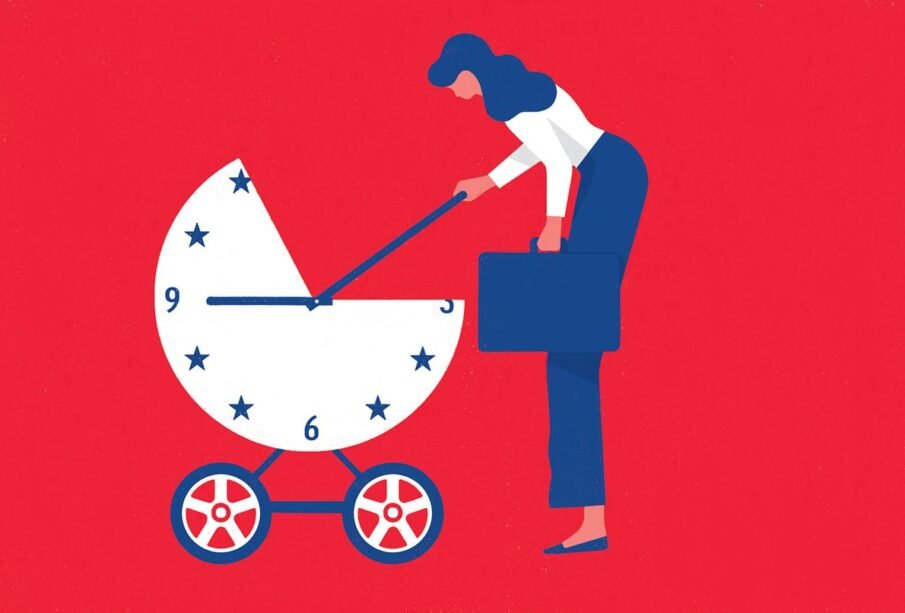
Balancing Tradition and Modernity
Parenting today often means raising children between two sets of expectations: the traditions that shaped their parents and the modern world in which they are growing up.
In many African households, including Nigerian families, parents want their children to respect elders, value family, understand their cultural identity and develop strong moral principles. At the same time, children encounter new ideas about independence, emotional wellbeing, education, technology, relationships and personal expression.
These expectations do not always agree. A parent may believe that strict obedience teaches discipline, while a child may feel that being unable to question an adult prevents honest communication. A family may value collective decision-making, while a teenager wants more privacy and independence. Neither situation automatically means that tradition is wrong or that modernity is right. The real challenge is deciding which values should remain, which practices need to change and how parents can guide children without making them feel unheard.
Successful parenting does not require choosing between culture and progress. It requires preserving meaningful values while adapting the methods used to teach them.
Why parenting feels different today
Previous generations often raised children within communities where family expectations, religious practices and social roles were more clearly defined. Parents, grandparents, teachers and other adults frequently reinforced similar rules. Although those environments were not always supportive or fair, they often gave children a consistent picture of acceptable behaviour.
Modern children encounter a wider range of influences. They learn from school, friends, social media, entertainment, online communities and relatives living in different countries. A child in Lagos may discuss an idea they encountered on YouTube at home, compare family rules with those of classmates and question a practice their grandparents consider unquestionable.
Technology has accelerated this change. Children can access information about mental health, identity, relationships and careers long before their parents expect them to explore those subjects. Consequently, parents may feel that they are losing influence, even when their children still need their guidance.
The answer is not to shut down every outside influence. Instead, parents should help children evaluate information, recognise harmful behaviour and understand the values that guide their family.
1. Preserve cultural identity without treating every tradition as untouchable
Culture gives children a sense of belonging. Language, food, family history, celebrations, stories and community responsibilities help them understand where they come from. Parents can pass these traditions on through everyday activities rather than relying only on formal lectures.
For example, a Nigerian family can teach children their mother tongue during conversations at home, explain the meaning of traditional names, involve them in family celebrations and share stories about grandparents and ancestors. These experiences make culture something children participate in, not simply a list of rules they must obey.
However, preserving culture does not mean defending every practice. Some customs may reinforce harmful stereotypes, unequal treatment or fear. Parents should be willing to examine traditions that deny children dignity, safety or opportunities.
A useful question is: does this practice teach a meaningful value, or does it simply demand obedience because previous generations followed it?
Respect for elders, for instance, can remain an important family value without teaching children that adults are always correct. Children can learn to speak politely while still asking questions, expressing discomfort and reporting harmful behaviour.
2. Replace fear-based discipline with firm, respectful boundaries
Discipline is one of the areas where traditional and modern parenting approaches often clash. Some parents grew up with shouting, threats, humiliation or physical punishment and believe these methods helped them become responsible adults. As a result, they may see gentler approaches as weakness.
Yet discipline does not have to rely on fear. Children need boundaries, predictable consequences and guidance. They also need to understand why a rule exists and how their choices affect other people.
A parent can firmly tell a child that insulting a sibling is unacceptable, require the child to apologise and establish a reasonable consequence. The parent does not need to use violence or humiliation to make the lesson clear.
Positive discipline involves teaching rather than simply punishing. It encourages parents to explain expectations, acknowledge appropriate behaviour and respond consistently when children break rules.
This does not mean allowing children to do whatever they want. A respectful parent can still say no, restrict screen time, enforce a bedtime and insist on household responsibilities. The difference lies in using consequences that teach responsibility instead of causing fear.
3. Learn to communicate with children who question authority
Many parents interpret questions as disrespect, particularly when children challenge family decisions. However, a child who asks why a rule exists may be trying to understand rather than undermine parental authority.
Parents should distinguish between disrespectful behaviour and genuine disagreement. A teenager who says, “I do not understand why I cannot attend this event” is opening a conversation. A teenager who insults a parent is crossing a different boundary. The response should reflect that distinction.
Try explaining the reason behind important rules. If a child wants to attend a late-night event, discuss transport, supervision, safety and the agreed return time. If the request remains unsuitable, explain the decision rather than ending the discussion with an unexplained command.
Listening also matters. Ask children what they think, allow them to finish speaking and avoid turning every disagreement into a lecture. When children believe their parents will listen, they may be more willing to disclose problems involving friends, school or online experiences.
4. Balance independence with family responsibility
Modern parenting discussions often emphasise independence, personal choice and self-expression. These qualities can help children develop confidence, make decisions and prepare for adulthood. Nevertheless, independence should not mean that family responsibilities disappear.
Children can gradually take on age-appropriate responsibilities. Younger children may organise their school materials, put away toys and help with simple household tasks. Older children can manage a modest allowance, plan study time, assist with shopping and contribute to family discussions.
Parents should explain that independence includes accountability. A teenager who wants more freedom should demonstrate that they can follow agreed safety rules, communicate honestly and accept reasonable consequences.
At the same time, parents should avoid assigning adult responsibilities to children simply because the family is under pressure. Children may help at home, but they should not carry the emotional or financial burden of resolving adult conflicts.
5. Navigate technology without turning the home into a battleground
Digital technology has changed childhood. Children use phones, games, messaging platforms and social media for education, entertainment and friendships. These tools offer opportunities, but they also expose young people to cyberbullying, inappropriate content, scams, misinformation and excessive screen use.
A complete ban may be difficult to enforce and can leave children unprepared to manage technology independently. A better approach combines supervision, education and clear household rules.
Parents should establish age-appropriate boundaries around screen time, devices in bedrooms, online purchases, social media accounts and contact with strangers. Explain why the rules exist and review them as children mature.
Most importantly, teach children practical digital safety. They should know not to share passwords, home addresses, school details or private photographs with strangers. They should also understand that online messages can be saved and shared, even when an app suggests that content will disappear.
Parents should make it easy for children to report uncomfortable online experiences without immediately losing access to every device. If a child expects only anger or punishment, they may hide a serious problem.
6. Talk openly about mental health and emotional wellbeing
Some families teach children to endure hardship without discussing how they feel. Expressions such as “stop crying”, “be strong” or “do not bring shame to the family” may be intended to build resilience, but they can also discourage children from asking for help.
Emotional strength does not require pretending that difficult feelings do not exist. Children need to recognise emotions, communicate distress and learn healthy ways to manage disappointment, anger and anxiety.
Parents can begin with simple conversations. Ask how a child felt about a difficult day, what worried them and what might help. Avoid dismissing their concerns because the problem appears small to an adult.
For example, a school disagreement may seem insignificant to a parent, but it could affect a child’s sense of belonging. Listening first helps parents understand what the child is experiencing before deciding what advice to offer.
When distress is persistent, affects daily functioning or involves safety concerns, families should seek appropriate professional support. Faith leaders and relatives may offer valuable encouragement, but they should not replace qualified mental health care when it is needed.
7. Manage the influence of grandparents and extended family
In many African households, grandparents, aunties, uncles and other relatives play an important role in raising children. This support can strengthen family bonds and provide practical help, particularly when parents work long hours.
However, disagreements can emerge when relatives use different disciplinary methods or undermine parental decisions. A grandparent may believe a child should never question an older person, while the parents are trying to encourage open communication.
Families should discuss expectations before conflict becomes serious. Parents can explain which rules must remain consistent, including those concerning physical punishment, food allergies, medical care, education and online safety.
The conversation should remain respectful. Grandparents may have valuable experience, and parents can acknowledge that contribution while explaining that some practices need to change.
Where possible, agree on shared principles rather than trying to control every interaction. Children benefit when the adults around them communicate clearly and avoid using them as messengers during family disagreements.
8. Raise children with cultural confidence and global awareness
Children do not have to reject their heritage to participate in a modern world. Parents can help them appreciate their culture while learning to engage respectfully with people whose beliefs and experiences differ.
Encourage children to learn about their family history, local literature, music, languages and national heritage. At the same time, introduce them to global science, technology, history and creative work.
This balance helps children develop a stronger sense of identity. They can understand their roots without assuming that every cultural practice is superior to every other approach.
Parents should also examine their own attitudes. If adults make negative comments about other cultures, communities or ways of life, children may learn prejudice instead of confidence. Cultural pride is strongest when it allows room for curiosity and mutual respect.
9. Make education and career conversations more flexible
Some families place heavy emphasis on particular professions because they associate them with stability, social respect or financial security. Parents may therefore encourage children to become doctors, lawyers, engineers or other professionals, even when the child’s interests lie elsewhere.
Parents should take education seriously while recognising that the world of work is changing. Technology, creative industries, entrepreneurship and new professional fields are creating opportunities that previous generations may not fully understand.
Instead of choosing a career for a child, help them explore their abilities, interests and realistic opportunities. Discuss the training, financial requirements and employment prospects associated with different paths. Encourage practical skills, critical thinking and adaptability.
This does not mean telling children that every dream will automatically become a successful career. It means helping them assess possibilities without dismissing their ambitions simply because those ambitions are unfamiliar.
10. Build consistency between what parents teach and what they practise
Children notice contradictions. A parent who demands honesty but regularly lies to avoid responsibility may struggle to teach integrity. An adult who insists on respectful communication but constantly insults family members sends a confusing message.
Parents do not need to be perfect. They do need to accept responsibility when they make mistakes. Apologising after an unfair reaction does not remove parental authority. It demonstrates accountability.
Families can establish a few shared principles: speak respectfully, tell the truth, protect one another, take responsibility for mistakes and ask for help when necessary. These principles can guide behaviour even when individual decisions change.
Practical steps for balancing tradition and modern parenting
Families can make progress without changing everything at once. Start with a few realistic actions:
- Identify the values worth preserving. Discuss the family principles that matter most, such as kindness, responsibility, respect, honesty and community.
- Review outdated practices. Consider whether particular rules protect children or simply repeat habits from previous generations.
- Create clear household boundaries. Agree on expectations for school, chores, screen use, friendships and personal safety.
- Schedule conversations. Make time for children to raise concerns without fear of immediate punishment.
- Involve extended family. Explain important parenting decisions and agree on consistent safety boundaries.
- Model the behaviour you expect. Demonstrate respect, patience, honesty and accountability.
- Review the approach as children grow. A rule suitable for a young child may need to change when that child becomes a teenager.
Raising children who respect their roots and understand their world
Parenting between tradition and modernity is not a contest in which one generation must defeat another. Families can preserve cultural identity, religious values and community responsibility while rejecting practices that undermine children’s dignity or safety.
The most important task is to prepare children to think, communicate, make responsible choices and treat others well. Parents who listen, set firm boundaries and remain willing to learn can create homes where tradition provides a foundation rather than a barrier.
Children need guidance that respects where they come from and prepares them for where they are going. That balance is not always easy, but it is possible when parents lead with consistency, curiosity and care.
Frequently Asked Questions
1. How can parents balance traditional values with modern parenting?
Parents can preserve meaningful values such as respect, honesty, family responsibility and cultural identity while adapting harmful or outdated methods. The aim is to keep the value but use approaches that support children’s safety, confidence and development.
2. Does modern parenting mean allowing children to make all their own decisions?
No. Children need age-appropriate independence, but parents remain responsible for setting boundaries and protecting them. Modern parenting can combine listening and participation with firm, consistent rules.
3. How should parents respond when children question family traditions?
Parents should first understand the reason for the question. They can explain the history or purpose of a tradition while allowing respectful discussion. If a practice causes harm or denies a child’s rights, families should be willing to reconsider it.
4. How can parents manage disagreements with grandparents about discipline?
Discuss the issue calmly and agree on non-negotiable boundaries, particularly around physical punishment, humiliation, medical care and child safety. Acknowledge grandparents’ contributions while making the parents’ responsibilities clear.
5. How can parents help children manage social media and technology?
Set age-appropriate rules, discuss online risks, supervise younger children and teach privacy and digital responsibility. Encourage children to report uncomfortable experiences without fearing an automatic punishment.




Leave a reply







Africa’s Source for Breaking News | Entertainments | Health | Finance | Sports | Lifestyle and Business News.


