
Morocco’s Port Delays: The Hidden Cost to African Trade
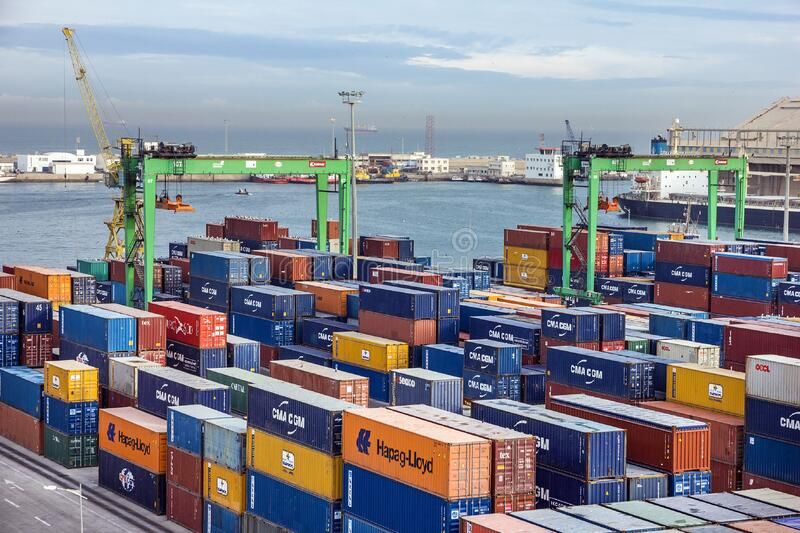
The Hidden Cost to African Trade
Morocco’s port and border delays can increase the cost of moving goods by extending shipping times, raising storage and transport expenses, disrupting delivery schedules and putting pressure on businesses that depend on predictable trade routes.
For African importers and exporters, these costs can spread beyond the port: a delayed shipment may hold up production, leave retailers without stock or cause perishable goods to lose value.
The issue matters because Morocco connects African and European markets through major logistics gateways, particularly Tanger Med, while Casablanca and other ports handle important cargo flows. However, port delays should not be treated as a permanent condition across every Moroccan route. Congestion varies by port, cargo type, shipping line, season and wider global events.
Why Morocco matters to African trade
Morocco has developed a significant position in international logistics through its ports, road links, industrial zones and connections to European markets. Tanger Med is particularly important for container traffic and freight moving between Europe, Africa and other regions.
According to the port authority’s report published in February 2026, Tanger Med handled more than 11.1 million twenty-foot equivalent units (TEUs) in 2025, an increase of 8.4% from 2024. The port also processed more than 535,000 trucks during the year. These figures demonstrate the scale of activity moving through the facility.
High volumes can support trade and investment, but busy logistics systems also need sufficient terminal capacity, reliable inland transport, efficient inspections and coordinated shipping schedules. When one part of the system falls behind, the effects can travel through the wider supply chain.
Morocco’s ports do not operate in isolation. Delays may affect businesses exporting fresh produce, importing industrial components, sourcing food commodities or using the country as a transfer point between shipping services. For African firms, the consequences depend on their actual route and whether the goods pass through a congested facility.
How port and border delays create a hidden tax
A hidden trade cost is an expense that may not appear in the original product price but emerges while goods are waiting, being inspected or travelling through a disrupted route.
1. Storage and demurrage charges
When containers remain at a terminal beyond the agreed free period, importers may face storage charges. Demurrage and detention fees can also arise under the applicable shipping and equipment terms.
These costs are particularly difficult for small businesses because they may have limited cash reserves. A shipment that was profitable at the time of purchase can become less attractive when extra fees accumulate.
The exact charges depend on the port, shipping line, terminal, equipment and contract. Businesses should therefore obtain the applicable tariff and free-time terms before shipping instead of assuming that every delay attracts the same fee.
2. Higher transport and fuel expenses
A delayed truck or vessel consumes time that could have been spent on another delivery. Carriers may also face additional fuel, labour, parking, equipment and scheduling costs.
In some circumstances, exporters may have to arrange alternative transport or storage. If the delay involves a refrigerated truck, the cooling system may need to operate for longer, increasing energy use and operating expenses.
Transport providers cannot always absorb these costs indefinitely. Depending on their contracts and negotiating power, some may pass part of the increase to customers through revised prices or additional fees.
3. Missed production and retail deadlines
Manufacturers often rely on components arriving according to a planned schedule. If an essential input is held up, a factory may have to slow production, reschedule workers or pay more to source replacement materials.
Retailers face a different problem. A late shipment of clothing, electronics, household products or seasonal goods may arrive after the period when demand is strongest. Even if the products remain usable, the business can lose sales opportunities.
For African firms operating with limited inventory, the risk is especially significant. They may not have enough cash to hold large reserves while simultaneously paying suppliers and covering daily operating costs.
4. Greater risk for perishable goods
Food and agricultural exports are vulnerable when delays interrupt temperature-controlled transport or reduce the time available to reach buyers.
Fresh fruit, vegetables, fish and other perishables may require refrigerated storage, careful handling and close coordination between growers, exporters, carriers and importers. A delay can increase cooling costs and leave less time for distribution after arrival.
Not every shipment will spoil because it is delayed. Proper packaging, refrigeration and contingency planning can protect goods. Nevertheless, the risk becomes more serious when the cold chain is interrupted or the additional time exceeds the product’s usable life.
What recent disruptions reveal
In 2026, Moroccan shipping operations faced reported congestion and disruption linked to weather conditions and changes in international shipping routes. Industry reports described delays affecting both Tanger Med and Casablanca, with some cargo waiting substantially longer than planned.
These reports illustrate how several problems can combine. Weather may disrupt port operations, while shipping diversions can change vessel arrival patterns. High cargo volumes, limited berthing availability or infrastructure work may add further pressure.
However, the situation should be assessed using current port and carrier information. A report about one terminal or commodity does not establish that every Moroccan port, border crossing or shipping service is experiencing the same delay.
For businesses, the lesson is to monitor the specific route, cargo and booking rather than relying only on general headlines.
Why African small businesses may feel the pressure first
Large importers may have several suppliers, stronger bargaining power and enough working capital to hold safety stock. Smaller businesses often operate with narrower margins and less flexibility.
Consider a distributor in West Africa importing equipment through a European-linked shipping route. If the shipment arrives late, the distributor may still have to pay rent, salaries and local transport costs while waiting for the goods. Customers may cancel orders, and the business may struggle to meet loan repayments.
A food exporter faces another set of risks. It may have to pay workers and packaging suppliers before the shipment generates revenue. If delays lead to spoilage or a rejected delivery, the loss can affect the entire production cycle.
These examples show why logistics reliability is an economic issue, not merely a shipping concern. The longer a business waits for its goods or payment, the more working capital becomes tied up in the supply chain.
Practical ways businesses can reduce the impact
No importer can eliminate every delay, but careful planning can reduce exposure.
Check the route before booking. Ask the freight forwarder about current port conditions, estimated transit time, transshipment points and alternative services. Confirm whether the quote includes all relevant handling and documentation costs.
Build realistic delivery buffers. Avoid promising customers a delivery date based solely on the shortest advertised transit time. Include time for clearance, inland transport and potential disruptions.
Understand the charges. Confirm free storage periods, demurrage and detention terms, documentation fees, customs requirements and the cost of extending refrigerated storage where applicable.
Keep documents accurate. Incorrect descriptions, missing certificates, inconsistent invoices or incomplete customs documents can create avoidable delays. Confirm requirements with the relevant customs authority, clearing agent and destination-country regulator.
Use shipment tracking and written updates. Keep a record of booking confirmations, vessel changes, inspection requests and revised arrival estimates. Clear communication gives the business more time to adjust inventory and inform customers.
Review supplier and customer contracts. Understand who is responsible for transport, insurance, storage and delay-related charges. The precise allocation depends on the agreement and applicable trade terms.
Consider alternative routes carefully. An alternative port or carrier may help, but it should not be selected on speed alone. Compare total cost, reliability, handling arrangements, border procedures and the onward journey.
What governments and logistics operators can improve
Businesses can adapt, but long-term improvements require cooperation across the logistics chain. Port authorities, customs agencies, shipping companies, transport operators and traders all influence how quickly goods move.
Digital documentation and coordinated inspections can reduce avoidable administrative delays. Better communication about vessel schedules, cargo readiness and terminal conditions can help carriers and importers plan. Investment in equipment, access roads, storage facilities and suitable inland connections can also strengthen resilience.
At the same time, trade facilitation should not mean removing necessary safety, security or customs controls. The objective is to make legitimate checks predictable and efficient while maintaining compliance.
African trade agreements and regional integration efforts can improve market access, but businesses still need practical infrastructure and dependable logistics to benefit fully.
Turning logistics risk into a business advantage
Morocco’s experience shows that major logistics hubs can support trade while remaining vulnerable to capacity pressures and international disruption. The cost of delays is often spread across several businesses, making it difficult to see the full economic impact in one invoice.
African importers and exporters should treat delivery reliability as part of financial planning. By checking route conditions, understanding fees, protecting perishable cargo and communicating early with customers, they can reduce the chance that a shipping delay becomes a serious commercial setback.
For policymakers and logistics operators, the priority is to improve transparency, coordination and capacity so that trade can move with fewer avoidable interruptions. Faster, more predictable logistics would benefit not only Morocco but also the wider network of African businesses that depend on cross-border commerce.
Frequently Asked Questions
1. Why are Morocco’s ports important to African trade?
Ports such as Tanger Med connect Morocco with international shipping networks and support container, truck and cargo movements. Their efficiency matters to businesses using these routes for imports, exports or onward distribution.
2. How do port delays increase business costs?
They can lead to extra storage, demurrage, detention, transport, labour and refrigeration expenses. Delays may also cause missed sales, production interruptions or reduced value for perishable goods.
3. Are all Moroccan ports experiencing the same delays?
No. Conditions differ by port, terminal, cargo type, shipping line and date. Businesses should check current information for the specific shipment rather than assume that a report about one port applies everywhere.
4. How can an importer reduce the risk of unexpected charges?
Before booking, confirm free-time allowances, applicable tariffs, documentation requirements, estimated transit time and responsibility for delay-related costs. Maintain contact with the freight forwarder and monitor changes to the shipment.
5. Do port delays affect consumers?
They can. If transport and storage costs rise, or goods arrive too late to meet demand, businesses may pass some costs to customers. The final effect depends on competition, inventory, product availability and the length of the disruption.




Leave a reply







Africa’s Source for Breaking News | Entertainments | Health | Finance | Sports | Lifestyle and Business News.


