
How to Start a Cold Room Business in Liberia
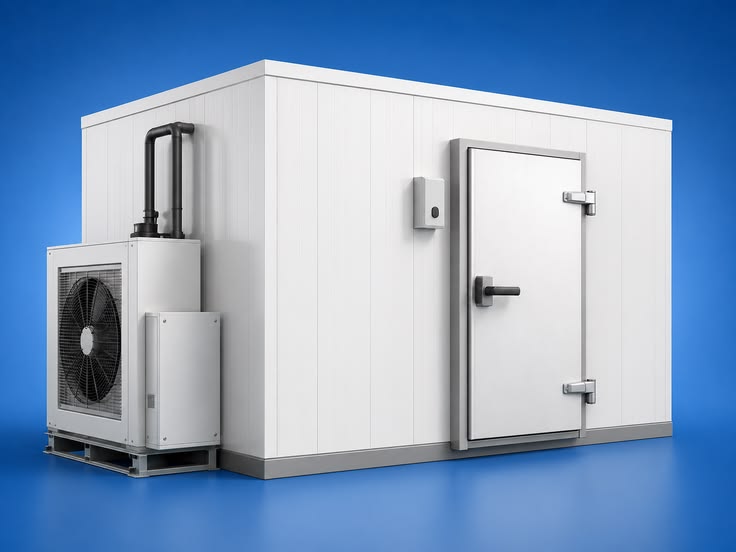
How to Start a Cold Room Business in Liberia
A cold room business in Liberia can earn revenue by providing refrigerated or frozen storage for fish sellers, meat retailers, food distributors, restaurants, supermarkets, farmers and other businesses that need to preserve perishable goods.
To make it profitable, you must identify customers before investing in equipment, calculate the true cost of electricity and backup power, maintain reliable temperature control and set prices that cover operating expenses.
The opportunity is worth investigating because food storage and distribution remain important challenges for Liberia’s agricultural sector. However, a cold room is not automatically profitable simply because people need refrigeration. Success depends on local demand, reliable operations, location, customer relationships and careful financial planning.
1. Research demand before renting a property
Start by finding out who needs cold storage in your target area. Potential customers may include fish traders, meat sellers, poultry businesses, restaurants, supermarkets, caterers, food importers and farmers who need to preserve produce before sale.
The needs of these customers are different. A fish trader may need frozen storage, while a vegetable seller may require chilled storage at a suitable temperature. A meat distributor may need more space and strict separation between product types. Your first task is to understand the volume, storage conditions and frequency each customer requires.
Visit markets and commercial areas in places such as Monrovia or other towns where you plan to operate. Speak to traders about how they currently store goods, what problems they face and how much stock they need to keep cold. Ask whether they would pay for storage by the crate, bag, kilogram, shelf, pallet or day.
Do not rely only on statements such as “I would use this service”. Ask prospective customers about their actual purchasing patterns and whether they are willing to make a trial booking or sign an agreement.
2. Choose a business model
There are several ways to operate a cold storage business. Your choice affects your equipment, premises, staffing and pricing.
| Business model | Potential customers | Main consideration |
|---|---|---|
| Small frozen-food storage | Fish, meat and poultry sellers | Requires reliable low-temperature operation |
| Chilled produce storage | Fruit and vegetable traders | Products need suitable temperature and humidity conditions |
| Commercial cold room rental | Distributors and larger traders | Requires predictable occupancy and clear contracts |
| Dedicated storage for restaurants | Caterers, hotels and food businesses | Needs dependable access and organised inventory records |
| Cold storage with delivery | Food sellers and distributors | Adds transport, fuel, staffing and vehicle-maintenance costs |
A beginner may find it easier to focus on one customer group rather than attempting to serve every type of food business. A specialised service can make it easier to determine storage requirements, design operating procedures and calculate costs.
Before choosing, investigate local competitors. If several established cold rooms already serve your target market, identify whether customers are dissatisfied with their location, pricing, reliability, access hours or service quality.
3. Prepare a realistic startup budget
The cost of opening a cold room depends on its size, insulation, refrigeration capacity, building condition, electrical requirements, backup system and whether equipment is new or used. It would be misleading to offer one universal startup price without current local supplier quotations.
Build your budget around the following expenses:
- Rent, lease deposit or property preparation.
- Insulated panels, doors and suitable flooring.
- Commercial refrigeration equipment and installation.
- Electrical wiring, protection devices and monitoring equipment.
- Backup power, including a generator or suitable alternative.
- Fuel, electricity and routine maintenance.
- Racks, crates, scales and handling equipment.
- Security, fire safety and ventilation arrangements.
- Registration, permits, insurance and professional advice where required.
- Staff wages, cleaning supplies and working capital.
Request quotations from several refrigeration suppliers. Ask each one to specify the equipment’s capacity, expected power consumption, operating temperature range, warranty, spare-parts availability and maintenance requirements.
Also budget for repairs. If the compressor fails or a door seal breaks, the business may lose stock and customers. A business plan that includes installation costs but ignores maintenance is incomplete.
4. Treat electricity as a central business cost
Reliable power is one of the most important issues to investigate when planning cold storage in Liberia. A World Bank article published in May 2025 described improvements in electricity access while noting continuing challenges, including supply deficits during the dry season. Access and reliability vary by location, so you should assess the specific site rather than rely on national averages alone.
Before signing a lease, ask a qualified technician to assess the electrical supply and expected load. Find out whether the premises can support the refrigeration equipment and what backup capacity is needed.
Your backup plan might involve a generator, battery storage, solar-supported systems or a combination. Each option has different upfront costs, running expenses and technical requirements. A solar installation should not be assumed to power a commercial cold room adequately without a professional load assessment and a properly sized system.
Calculate power costs using realistic operating assumptions. Refrigeration may run continuously, and electricity consumption can rise when the room is poorly insulated, frequently opened or loaded with warm products.
Install suitable temperature monitoring and alarms where feasible. Establish a procedure for responding to outages, including who is contacted, how temperatures are recorded and when customers must be notified.
5. Select a suitable location and design
Your cold room should be accessible to the customers who use it, while remaining suitable for food storage. A site close to a market, fishing landing point, food distribution area or major customer cluster may reduce travel time and make collection easier.
However, cheap rent is not enough. Check road access, drainage, security, water availability, loading space, electrical capacity and the condition of the building. Areas vulnerable to flooding may create additional risks for equipment, stock and safe operations.
The room itself needs appropriate insulation, refrigeration equipment, washable surfaces and an organised layout. Products should not block airflow or prevent staff from cleaning and inspecting the space. Where different products require different storage conditions, separate rooms or clearly managed zones may be necessary.
Seek advice from qualified refrigeration technicians and relevant food-safety authorities before construction or installation. The design should match the products you intend to store, not simply the space you can afford.
6. Establish food-safety procedures
Cold storage does not make unsafe food safe. Your business must receive products in suitable condition, maintain the correct temperature, prevent contamination and keep reliable records.
Create a written process for receiving deliveries. Record the product type, quantity, customer, date, condition and temperature where relevant. Refuse or isolate goods that arrive damaged, contaminated or outside the agreed acceptance requirements.
Use clear stock labels and inventory records. A first-in, first-out approach can help manage stock rotation where appropriate, while expiry dates and product-specific requirements must still take priority.
Separate raw products from ready-to-eat foods and protect products from pests, chemicals and physical contamination. Clean the room and equipment on a documented schedule. Staff should understand hand hygiene, safe handling, spill response and the importance of reporting temperature problems.
Check Liberia’s current business, public-health and food-related requirements with the relevant authorities before opening. Requirements may vary according to the activity, premises and products handled.
7. Set prices that support profitability
A cold room can be busy and still lose money if the pricing model fails to cover its costs. Calculate the monthly expenses first, including electricity, fuel, rent, wages, maintenance, security, insurance and loan repayments.
Then estimate the usable storage capacity and the percentage likely to be occupied. Do not assume that every space will be rented every day. Demand may vary by season, product type and customer cash flow.
For example, a room that can accommodate 100 storage units will not necessarily earn enough if only 30 units are occupied most of the time. Your pricing must reflect realistic occupancy, not full capacity.
You could charge by crate, bag, kilogram, pallet, shelf or storage period, depending on the product and customer. Keep the terms clear. State how long the storage fee covers, what happens when customers collect late, who is responsible for damaged packaging and how stock is released.
Avoid underpricing merely to attract customers. Instead, compete through reliable temperatures, clean facilities, accurate inventory records, convenient collection times and transparent fees.
8. Find customers and build repeat business
Start with direct relationships. Visit traders, restaurants, caterers, retailers and food distributors with a short explanation of the service, storage capacity and pricing method. If possible, offer a limited trial to suitable customers while clearly defining the conditions.
Create a simple booking and inventory system. Even a well-maintained spreadsheet can record the customer’s name, product, quantity, date received, storage location, payment status and collection date.
Send customers timely updates and keep clear records of payments and stock movements. If you offer delivery, calculate the extra transport costs separately so that they do not quietly reduce storage profits.
Partnerships with food suppliers, market associations and restaurant groups can also help you reach customers. However, do not expand into delivery or large-scale distribution until you can manage the additional operational risks.
9. Calculate the break-even point before committing
Your break-even calculation estimates how much paid storage you need to cover operating costs.
Start with monthly fixed costs, then estimate the contribution earned from each unit of storage after variable expenses. Divide fixed costs by the contribution per unit to estimate the number of units or storage periods required to break even.
For instance, if monthly fixed costs are high and each stored crate generates only a small contribution, you may need consistently high occupancy to cover expenses. If your target market cannot realistically provide that demand, reconsider the room size, location, pricing or business model before investing.
Run best-case, expected-case and worst-case scenarios. Include power interruptions, equipment repairs, seasonal demand and delayed customer payments. This helps you identify how much working capital you need to survive a difficult month.
Build a business that protects food and earns trust
A profitable cold room in Liberia requires more than refrigeration equipment. It needs proven demand, a suitable site, dependable temperature management, clear customer agreements and disciplined cost control.
Begin with market research and supplier quotations. Confirm the regulatory requirements, calculate power costs and test whether enough customers will pay for the capacity you plan to install. Once the numbers work, invest in reliable equipment and systems that protect both the food and your reputation.
Frequently Asked Questions
1. Is a cold room business profitable in Liberia?
It can be, but profitability depends on customer demand, occupancy, electricity and backup-power costs, maintenance, pricing and stock-handling practices. Prepare a realistic cash-flow forecast before investing.
2. How much money do I need to start?
There is no single reliable figure for every location or business model. Obtain current local quotations for the building, insulation, refrigeration, backup power, permits and working capital before calculating the required investment.
3. Which products can I store?
Potential products include fish, meat, poultry, certain vegetables, fruit and other temperature-sensitive foods. Each product requires appropriate storage conditions, so design the facility around a defined product category and seek qualified technical guidance.
4. Do I need backup power?
You need a reliable plan for maintaining the required temperatures during outages. The appropriate backup system depends on the equipment load, expected outage duration, budget and local power conditions.
5. How can I find my first customers?
Speak directly with market traders, food distributors, restaurants, caterers and retailers. Validate demand through trial bookings or written expressions of interest, and make your storage conditions, fees and collection procedures clear.




Leave a reply




Africa’s Source for Breaking News | Entertainments | Health | Finance | Sports | Lifestyle and Business News.


