
Parenting Lessons From African Cultural Values
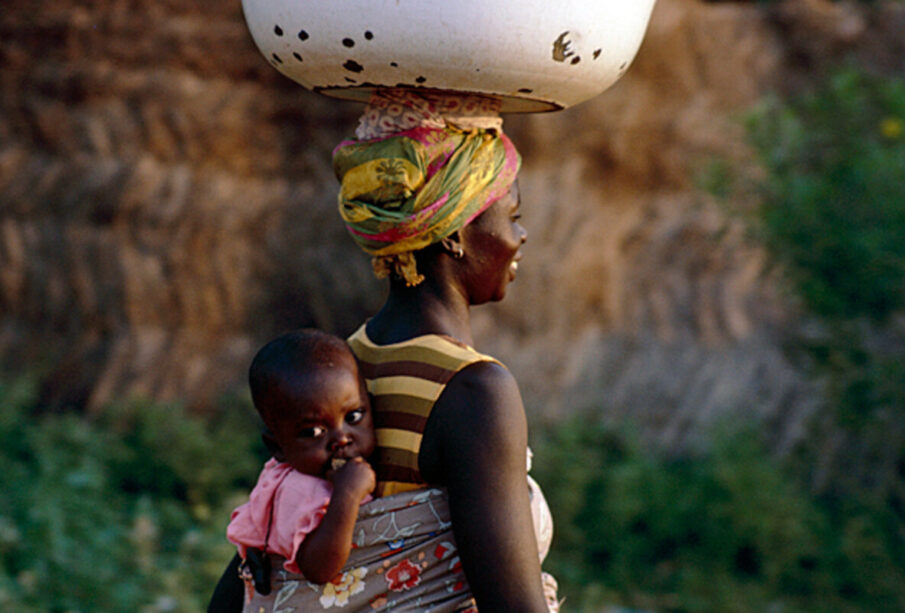
Parenting Lessons From African Cultural Values
Parenting looks different across cultures, but many African communities have long relied on values that help children develop strong relationships, personal responsibility, resilience, and respect for others.
Although modern family life continues to change, these cultural values still offer useful lessons for raising confident and compassionate children.
African parenting traditions vary significantly across countries, ethnic groups, religions, and families. There is no single African approach to raising children. However, several shared principles appear across many communities. These include communal responsibility, respect for elders, hospitality, cooperation, resilience, storytelling, discipline, and care for others.
The goal today does not have to be a return to every traditional parenting practice. Instead, parents can examine these values and adapt the most useful lessons to modern family life.
1. The Importance of Community
One of the strongest lessons found in many African cultures is the idea that raising a child involves more than the immediate parents.
Extended family members, neighbours, older siblings, teachers, religious communities, and other trusted adults often contribute to a child’s development. This creates a support system that can provide guidance, encouragement, supervision, and practical help.
Modern families can apply this principle by creating healthy communities around their children. Parents can encourage meaningful relationships with grandparents, relatives, mentors, family friends, and other responsible adults.
A strong community can also teach children that they are connected to something larger than themselves.
2. Respect Without Losing Individuality
Respect remains an important value in many African societies. Children are often encouraged to greet adults properly, listen when others speak, show consideration, and understand social responsibilities.
However, modern parenting can balance respect with open communication.
Children should learn to respect parents, teachers, elders, and other people while also understanding that they can ask questions, express their feelings, and communicate concerns.
This approach helps children understand that respect does not mean silence. Instead, genuine respect can involve listening, communicating thoughtfully, and treating others with dignity.
3. Learning Through Storytelling
Storytelling has played an important role in many African communities for generations. Stories have traditionally passed knowledge, history, moral lessons, humour, and cultural identity from one generation to another.
Parents can bring this tradition into modern family life.
Instead of relying entirely on lectures, parents can use stories to discuss honesty, courage, kindness, responsibility, friendship, and difficult decisions. Personal family stories can also help children understand where they come from.
A simple story about a grandparent’s childhood, for example, can teach lessons about perseverance while strengthening a child’s connection to family history.
4. Teaching Children to Contribute
Many African households introduce children to responsibilities from an early age. Simple tasks such as helping around the home, caring for younger siblings, assisting with shopping, or participating in family activities can teach responsibility.
These responsibilities should remain appropriate for a child’s age.
The larger lesson is that children can learn that being part of a family involves contribution. Household responsibilities can help them develop independence, teamwork, organisation, and appreciation for the work that others perform.
Rather than presenting chores only as punishment, parents can frame them as part of belonging to a household.
5. The Value of Hospitality
Hospitality is highly valued in many African communities. Welcoming guests, sharing food, offering assistance, and showing kindness to visitors can teach children important social skills.
Parents can use everyday situations to demonstrate hospitality.
A child can learn to greet visitors, offer someone a seat, share what they have, or help a guest feel comfortable. These small actions can encourage empathy and awareness of other people’s needs.
Hospitality also teaches an important distinction: kindness does not require having a lot. People can demonstrate generosity through time, attention, encouragement, and practical assistance.
6. Resilience in Difficult Circumstances
African communities have developed many traditions around perseverance and adaptability. Families often teach children that challenges are part of life and that difficult circumstances do not necessarily determine their future.
Parents can build resilience by allowing children to solve age-appropriate problems instead of immediately fixing everything for them.
When a child struggles with a task, parents can provide encouragement while allowing them to try again. This helps children develop patience and confidence.
At the same time, resilience should not mean ignoring children’s emotions. Children need to know that it is acceptable to feel disappointed, afraid, angry, or sad. Emotional support and perseverance can exist together.
7. Learning From Older Generations
Many African families place considerable importance on relationships between generations. Grandparents and older relatives may serve as sources of knowledge, family history, cultural traditions, and practical advice.
Parents can encourage children to spend meaningful time with older relatives when those relationships are safe and supportive.
Children may learn about traditional foods, family history, languages, crafts, music, occupations, or community experiences through these conversations.
Intergenerational relationships can also help children understand that knowledge does not come only from textbooks or the internet.
8. Sharing and Collective Responsibility
The principle of sharing appears in many African communities. Children may learn to share food, toys, space, responsibilities, and opportunities with siblings and other people.
This can help develop empathy and cooperation.
Parents can reinforce this value by encouraging children to consider how their decisions affect other people. For example, siblings can learn to share household resources, work together on projects, or support one another during difficult moments.
However, sharing should also come with healthy boundaries. Children can learn generosity while understanding that they have the right to personal space, belongings, and appropriate boundaries.
9. Preserving Language and Cultural Identity
Language carries history, identity, humour, traditions, and worldview. Yet many children growing up in modern African cities may have limited opportunities to learn their indigenous languages.
Parents can introduce children to family languages through songs, stories, greetings, proverbs, conversations, and cultural celebrations.
Knowing one’s cultural background can give children a stronger sense of identity while still allowing them to engage confidently with the wider world.
Cultural education does not have to compete with modern education. Both can complement each other.
10. Teaching the Meaning of Consequences
Traditional approaches to discipline sometimes placed strong emphasis on obedience and authority. Modern parents can preserve the useful lesson of accountability without relying on fear or harsh punishment.
Children need to understand that actions have consequences.
If a child damages something intentionally, for example, the appropriate response might involve helping to repair or replace it. If they hurt someone, they can learn to acknowledge the harm and make amends.
This approach connects discipline with responsibility rather than simply punishment.
11. Encouraging Respect for Work
African cultural values often place importance on hard work and perseverance. Parents can teach children that meaningful achievements usually require effort, patience, and consistency.
This lesson becomes particularly valuable in an age of instant entertainment and social media.
Children can learn to appreciate the process behind achievements rather than focusing only on the final result. Whether they are learning a musical instrument, developing a skill, studying, playing sports, or helping with household responsibilities, consistent effort can become part of their character.
12. Combining Tradition With Modern Parenting
African cultural values can provide useful foundations for modern parenting, but parents should also evaluate traditions carefully.
Not every traditional practice remains appropriate today. Some older approaches to discipline, gender roles, communication, and authority may conflict with children’s emotional wellbeing, safety, or individual needs.
The most useful approach is therefore not to reject tradition or accept everything unquestioningly.
Instead, parents can ask important questions:
- Does this value help children become responsible?
- Does it encourage empathy and respect?
- Does it strengthen healthy family relationships?
- Does it protect the child’s dignity?
- Can it work alongside modern education and emotional awareness?
- Does it prepare the child to function confidently in today’s world?
This kind of reflection allows families to preserve valuable cultural principles while adapting them to contemporary life.
Building the Future Through Cultural Values
Parenting is not simply about preparing children to succeed academically or financially. It is also about helping them develop character, emotional awareness, social responsibility, and a sense of belonging.
African cultural values offer many lessons that can support these goals. Community, respect, storytelling, responsibility, hospitality, resilience, generosity, and intergenerational learning can all contribute to a child’s development when applied thoughtfully.
The future of African parenting does not have to be a choice between tradition and modernity. Families can preserve meaningful cultural values while embracing approaches that support children’s individuality, emotional wellbeing, education, and independence.
Ultimately, the strongest cultural lessons are those that help children understand where they come from while giving them the confidence and skills to decide where they want to go.




Leave a reply






Africa’s Source for Breaking News | Entertainments | Health | Finance | Sports | Lifestyle and Business News.


