
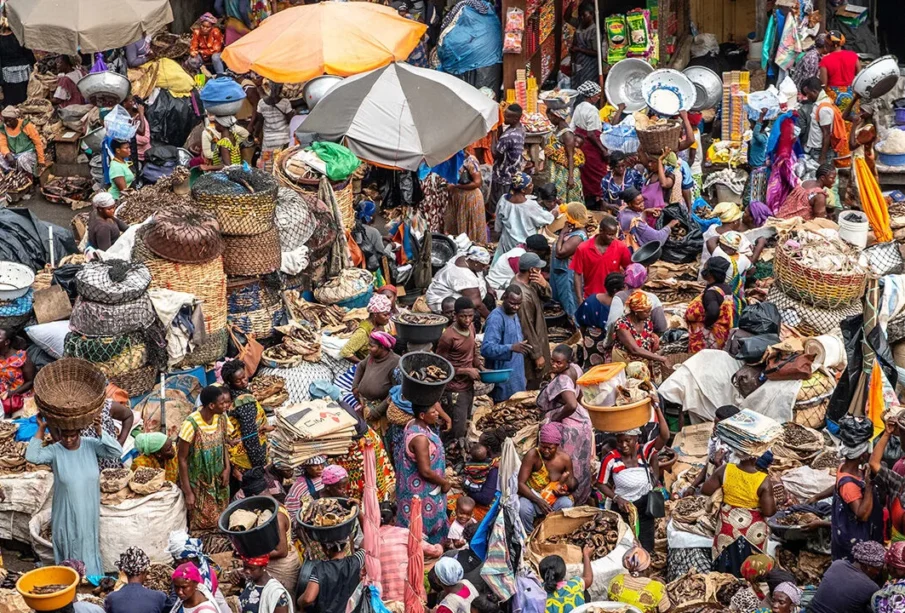
How Regional Trade Is Transforming African Markets
Trade has always played an important role in Africa’s economic development.
Across the continent, countries exchange food, raw materials, manufactured products, technology, services, and expertise. However, increasing efforts to strengthen trade between African countries are creating new opportunities for businesses and consumers.
Regional trade allows businesses to reach customers beyond their domestic markets while giving consumers access to a wider range of products. It can also encourage local manufacturing, strengthen supply chains, create employment, and reduce dependence on imports from outside the continent.
As African economies become more connected, regional trade is gradually changing how businesses operate and how markets develop.
What Is Regional Trade?
Regional trade refers to the exchange of goods and services between countries within a particular geographical region.
In Africa, regional trade occurs through economic communities and agreements that encourage countries to reduce barriers to commerce. Examples include the Economic Community of West African States (ECOWAS), the East African Community (EAC), the Southern African Development Community (SADC), and the African Continental Free Trade Area (AfCFTA).
These frameworks aim to make it easier for businesses to sell products across borders and encourage stronger economic relationships between neighbouring countries.
A Larger Market for African Businesses
One major benefit of regional trade is market expansion. A business that sells only within its home country is limited by the size and purchasing power of its domestic market. Regional trade can provide access to millions of additional consumers.
For example, a Nigerian food manufacturer may find opportunities to sell packaged products in Ghana, Côte d’Ivoire, Senegal, or other West African markets. Similarly, a Kenyan technology company can explore customers across East Africa.
Access to larger markets can encourage businesses to increase production, improve their products, and invest in better distribution systems.
Supporting Local Manufacturing
Regional trade can also encourage manufacturing within Africa. When businesses can access larger regional markets, local production may become more commercially attractive. Manufacturers can produce goods for multiple countries instead of depending entirely on demand at home.
This can support industries such as textiles, food processing, pharmaceuticals, household products, construction materials, cosmetics, and consumer goods.
Increased manufacturing can also create demand for local suppliers, logistics companies, packaging businesses, financial services, and other supporting industries.
Strengthening African Supply Chains
African businesses often depend on complex supply chains that cross multiple borders. Regional trade can make these supply chains more efficient by encouraging stronger connections between producers, manufacturers, distributors, retailers, and consumers.
A food producer, for example, may source agricultural products from one country, process them in another, package them elsewhere, and sell the finished product across several markets.
When transportation networks, customs procedures, payment systems, and trade regulations work efficiently, businesses can move goods more easily between countries.
Creating Opportunities for Small Businesses
Small and medium-sized enterprises are an important part of African economies. Regional trade can give these businesses opportunities to reach customers outside their immediate communities.
Digital platforms have made this possibility even greater. A small fashion brand can promote its products online and receive orders from customers in neighbouring countries. Food processors, beauty businesses, artisans, furniture makers, and creative professionals can similarly explore regional customers.
However, small businesses still need access to financing, reliable logistics, market information, and straightforward trade procedures to take full advantage of these opportunities.
Improving Consumer Choice
Regional trade can benefit consumers as well.
When products move more easily between countries, consumers may gain access to a broader selection of African-made goods. Competition between businesses can also encourage companies to improve product quality, packaging, customer service, and pricing.
A stronger regional market can therefore create opportunities for consumers to discover products from other African countries without relying exclusively on goods imported from outside the continent.
The Growing Importance of Logistics
Trade cannot function effectively without reliable logistics. Roads, ports, railways, warehouses, delivery networks, border facilities, and digital tracking systems all influence how quickly and affordably products can move between markets.
For businesses operating across Africa, logistics costs can significantly affect the final price of a product.
Improving regional transportation infrastructure could therefore play an important role in making African trade more competitive. Better logistics can reduce delays, improve inventory management, and help businesses serve customers more consistently.
Digital Payments and Cross-Border Commerce
Technology is changing regional trade in another important way.
Digital payments allow businesses and customers to conduct transactions without relying entirely on traditional cash-based systems. Mobile money and financial technology platforms have expanded access to digital transactions across several African markets.
E-commerce is also making it easier for businesses to advertise and sell products across borders.
As digital infrastructure improves, more African entrepreneurs may be able to participate in regional commerce without needing a large physical presence in every country.
Agriculture and Regional Trade
Agriculture remains central to many African economies, making agricultural trade particularly important.
Countries produce different crops and food products depending on their climate, geography, and farming systems. Regional trade can help move agricultural products from areas with surpluses to markets experiencing shortages.
This can create opportunities for farmers, food processors, distributors, wholesalers, retailers, and logistics companies.
Stronger agricultural trade can also encourage investment in storage, processing, packaging, and transportation, helping reduce losses between farms and consumers.
Challenges Still Remain
Despite its potential, regional trade faces several challenges. Border delays, inconsistent regulations, infrastructure gaps, currency differences, high transportation costs, limited financing, and complicated customs procedures can make cross-border commerce difficult.
Businesses may also need to understand different tax systems, product standards, consumer preferences, and regulatory requirements.
Addressing these challenges requires cooperation between governments, businesses, financial institutions, logistics providers, and regional organisations.
What Regional Trade Means for the Future
The growth of regional trade could gradually change Africa’s economic landscape. Instead of viewing African countries primarily as separate national markets, businesses can increasingly consider the continent as a collection of connected commercial opportunities.
This does not mean every business will immediately expand across borders. Rather, stronger regional integration gives entrepreneurs more options for growth.
A clothing manufacturer can explore new customers. A farmer can reach new buyers. A logistics company can develop regional delivery networks. A technology startup can serve customers across several countries.
These possibilities can contribute to a more interconnected African economy.
Conclusion
Regional trade is transforming African markets by creating opportunities for businesses to reach larger audiences, strengthening supply chains, supporting local manufacturing, and giving consumers greater access to products from across the continent.
Challenges remain, particularly around infrastructure, regulations, logistics, financing, and border processes. However, continued improvements in trade systems and digital technology can make cross-border commerce increasingly accessible.
For African businesses, regional trade represents more than the movement of goods between neighbouring countries. It offers a pathway toward stronger commercial connections, broader markets, and greater participation in Africa’s evolving economic landscape.




Leave a reply




Africa’s Source for Breaking News | Entertainments | Health | Finance | Sports | Lifestyle and Business News.


