
Popular Seafood Dishes Across African Coasts
Popular Seafood Dishes Across African Coasts
Africa’s coastline stretches for more than 30,000 kilometers, bordering the Atlantic Ocean, the Indian Ocean, the Mediterranean Sea, and the Red Sea.
These extensive coastlines have shaped the cultures, traditions, and cuisines of countless communities for centuries. As a result, seafood has become a staple ingredient in many African households, offering both exceptional flavor and valuable nutrition. From the smoky grilled fish of West Africa to the fragrant coconut curries of East Africa and the spice-infused seafood dishes of North Africa, every coastal region boasts its own unique culinary identity. Moreover, local ingredients, historical trade routes, and cultural exchanges have enriched these recipes, creating dishes that continue to delight both residents and visitors.
In this article, we explore some of the most popular seafood dishes found along Africa’s diverse coastlines and discover what makes each one special.
Why Seafood Plays an Important Role in African Cuisine
Seafood provides an affordable and nutritious source of protein for millions of people living in Africa’s coastal communities. In addition, fishing supports local economies by creating employment opportunities for fishermen, traders, processors, and restaurant owners.
Beyond its economic value, seafood also holds cultural significance. Families prepare traditional seafood dishes during festivals, weddings, religious celebrations, and community gatherings. Consequently, many recipes have been passed down through generations, preserving culinary traditions while adapting to modern tastes.
West Africa’s Flavorful Seafood Dishes
1. Grilled Tilapia (Ghana)
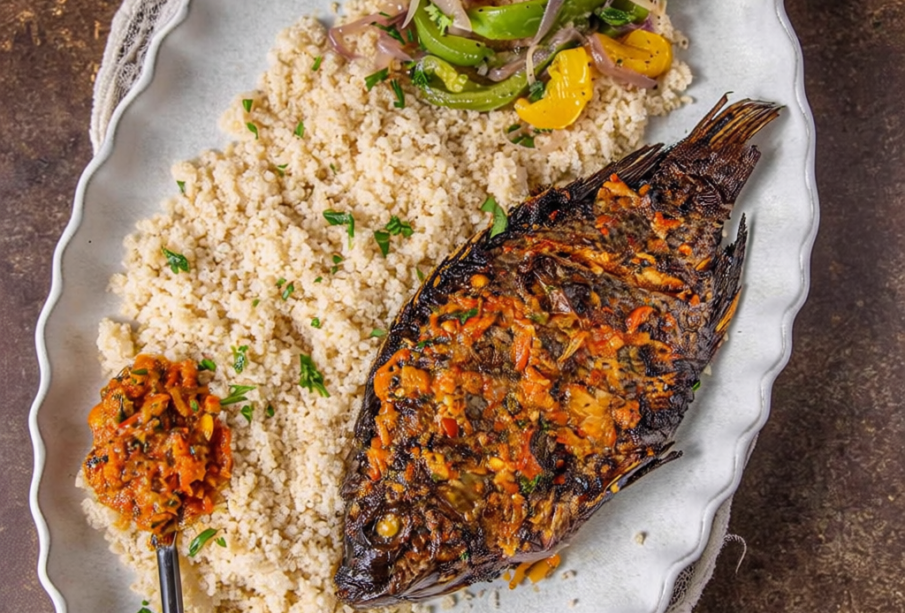
Grilled tilapia stands among Ghana’s most iconic seafood dishes. Local cooks season fresh tilapia with ginger, garlic, onions, chili peppers, and traditional spices before grilling it over charcoal. This cooking method gives the fish a delicious smoky flavor while keeping the meat moist and tender.
Families typically serve grilled tilapia with banku, a fermented mixture of corn and cassava dough, alongside spicy pepper sauce and fresh vegetables. Furthermore, many roadside restaurants and beachside eateries prepare this dish daily, making it a favorite among locals and tourists alike.
2. Fish Pepper Soup (Nigeria)
Nigeria’s coastal regions offer several variations of fish pepper soup, a light yet intensely flavorful broth. Cooks prepare the soup using fresh catfish, croaker, snapper, or tilapia together with aromatic herbs, local spices, garlic, onions, and fresh peppers.
Many families enjoy fish pepper soup during celebrations or on cool evenings. Additionally, people often appreciate the dish for its comforting warmth and rich aroma.
3. Thieboudienne (Senegal)
Thieboudienne, often considered Senegal’s national dish, combines fresh fish, rice, tomatoes, carrots, cabbage, cassava, and eggplant into one satisfying meal. Before cooking, chefs stuff the fish with fresh herbs and seasonings to enhance its flavor.
Next, they simmer the ingredients together in a rich tomato-based sauce until the rice absorbs every layer of flavor. Consequently, the finished dish delivers a perfect balance of seafood, vegetables, and aromatic spices.
4. Seafood Okra Soup
Seafood okra soup remains popular in several West African countries, including Nigeria, Sierra Leone, and Liberia. Home cooks combine shrimp, crab, smoked fish, crayfish, and chopped okra to create a hearty soup with a naturally silky texture.
People usually pair the soup with pounded yam, fufu, or eba. As a result, it serves as a filling and nutritious meal for families throughout the region.
East Africa’s Coastal Culinary Treasures
1. Swahili Coconut Fish Curry
The Swahili Coast, stretching across Kenya and Tanzania, showcases one of Africa’s richest culinary traditions. Here, cooks gently simmer fresh fish in creamy coconut milk with tomatoes, garlic, ginger, turmeric, coriander, and cardamom.
The coconut milk creates a rich texture, while the spices add warmth without overwhelming the fish. Moreover, families often serve the curry with rice, chapati, or ugali, making it suitable for both everyday meals and special occasions.
2. Mozambican Prawns
Mozambique has earned an excellent reputation for its large, flavorful prawns. Local chefs prepare them with garlic, butter, lemon juice, coconut milk, and the country’s famous peri-peri peppers.
The combination produces a rich yet spicy dish that perfectly reflects Mozambique’s Portuguese and African culinary heritage. Furthermore, visitors frequently rank Mozambican prawns among the country’s must-try delicacies.
3. Zanzibar Seafood Pilau
Zanzibar has long served as a center of the spice trade. Therefore, its seafood dishes feature fragrant seasonings such as cloves, cinnamon, cumin, and cardamom.
Cooks combine shrimp, squid, octopus, or fish with seasoned rice to create seafood pilau. The aromatic spices blend beautifully with the fresh seafood, producing a meal that captures the island’s multicultural history.
4. Octopus Curry
Many coastal communities in Tanzania and Zanzibar prepare octopus curry using freshly caught octopus. Chefs slowly cook the octopus until it becomes tender before adding coconut milk, tomatoes, onions, garlic, and local spices.
As a result, the curry develops a rich, creamy texture while maintaining the octopus’s delicate flavor.
North Africa’s Mediterranean Seafood Favorites
1. Moroccan Chermoula Fish
Moroccan cuisine celebrates bold herbs and spices. Chefs prepare chermoula by blending parsley, cilantro, garlic, paprika, cumin, olive oil, and lemon juice into a vibrant marinade.
Next, they coat fresh fish such as sea bass, sardines, or snapper before grilling or baking it. Consequently, every bite offers a refreshing combination of citrus, herbs, and smoky flavors.
2. Tunisian Seafood Couscous
Tunisia combines seafood with one of North Africa’s most famous staples, couscous. Local cooks prepare shrimp, mussels, squid, and fish in a spicy tomato broth seasoned with harissa and aromatic spices.
They then serve the seafood over fluffy couscous, creating a hearty meal that balances heat with freshness.
3. Egyptian Sayadieh
Sayadieh ranks among Egypt’s most popular coastal dishes. Cooks prepare fragrant rice with caramelized onions and spices before topping it with perfectly fried or grilled white fish.
Finally, they garnish the meal with herbs and toasted nuts for additional flavor and texture.
Southern Africa’s Seafood Specialties
1. Cape Malay Pickled Fish
Cape Malay pickled fish reflects South Africa’s diverse culinary influences. Cooks fry fresh fish before placing it in a flavorful mixture of vinegar, onions, curry spices, raisins, and bay leaves.
After marinating for several days, the fish develops a sweet, tangy, and mildly spicy taste that many families enjoy during festive occasions.
2. Snoek Braai
Snoek remains one of South Africa’s most recognizable fish species. During a traditional braai, cooks grill the fish over open flames while brushing it with butter, garlic, lemon juice, and apricot jam.
This cooking method creates a delightful contrast between smoky, sweet, and savory flavors.
3. Seafood Potjie
Seafood potjie features a slow-cooked combination of fish, prawns, mussels, calamari, vegetables, herbs, and flavorful broth. Cooks prepare the meal in a heavy cast-iron pot over hot coals.
Because the ingredients cook slowly, every flavor blends together beautifully, producing a rich and comforting dish.
Seafood Delicacies from Africa’s Island Nations
Seychelles Grilled Red Snapper
The Seychelles enjoys abundant fresh seafood throughout the year. Local chefs marinate red snapper with garlic, ginger, herbs, and lime before grilling it to perfection.
People often serve the fish with rice, breadfruit, or fresh tropical salads.
Mauritian Octopus Salad
Mauritian cuisine blends African, Indian, French, and Creole influences. Cooks combine tender octopus with onions, tomatoes, cucumber, herbs, olive oil, and lemon juice to prepare a refreshing seafood salad.
Its light flavor makes it especially popular during warm weather.
Madagascan Crab Curry
Madagascar’s coastal communities prepare delicious crab curry using fresh crab, coconut milk, tomatoes, ginger, garlic, turmeric, and herbs.
The creamy sauce complements steamed rice perfectly, creating a satisfying family meal.
Common Ingredients Found in African Coastal Cuisine
Although recipes vary across regions, many African seafood dishes share several key ingredients, including:
- Fresh fish such as tilapia, snapper, sardines, tuna, and kingfish
- Shrimp and prawns
- Crab and lobster
- Mussels, oysters, and squid
- Coconut milk
- Tomatoes
- Garlic and ginger
- Fresh herbs
- Chili peppers
- Citrus fruits
- Traditional spice blends
Together, these ingredients create bold, vibrant flavors that celebrate the freshness of the sea.
Sustainable Seafood Matters
As Africa’s population grows, seafood demand continues to increase. Therefore, many governments, conservation groups, and fishing communities actively promote sustainable fishing practices to protect marine ecosystems.
Responsible fishing helps preserve fish populations, supports coastal livelihoods, and ensures future generations can continue enjoying these treasured dishes. Likewise, consumers can contribute by purchasing seafood from responsible sources and reducing food waste.
African Seafood on the Global Stage
African seafood cuisine has gained increasing international recognition in recent years. Today, restaurants across Europe, North America, Asia, and the Middle East proudly feature African-inspired seafood dishes on their menus.
Moreover, food festivals, cooking shows, and social media have introduced millions of people to the rich flavors of African coastal cooking. As global interest continues to grow, chefs increasingly celebrate traditional recipes while adding modern culinary techniques that respect their authentic origins.
Conclusion
Africa’s coastal regions offer an extraordinary variety of seafood dishes that showcase the continent’s cultural diversity, culinary creativity, and abundant natural resources. From Ghana’s grilled tilapia and Nigeria’s fish pepper soup to Senegal’s Thieboudienne, Mozambique’s peri-peri prawns, Morocco’s chermoula fish, and South Africa’s snoek braai, every dish tells a unique story of heritage and community.
Ultimately, these seafood traditions represent far more than delicious meals. They reflect centuries of history, generations of craftsmanship, and a deep connection between coastal communities and the oceans that sustain them. Whether you are an adventurous traveler, a passionate home cook, or simply a curious food lover, exploring Africa’s seafood cuisine offers a memorable journey through one of the world’s richest culinary landscapes.




Leave a reply




Africa’s Source for Breaking News | Entertainments | Health | Finance | Sports | Lifestyle and Business News.


