
Tanzania’s Informal Economy: Why Millions Work Outside Formal Jobs
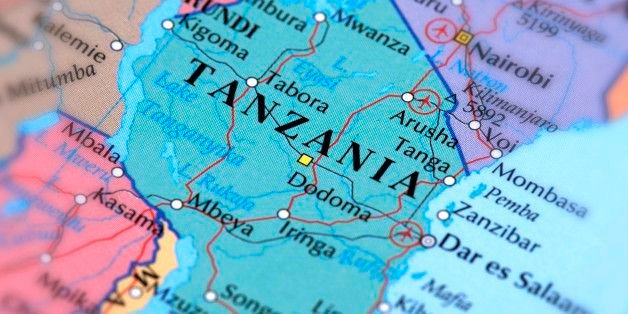
Tanzania's Informal Economy
Across Tanzania, millions of people earn their livelihoods outside conventional offices, registered companies and formal employment contracts.
They operate market stalls, drive motorcycles, sell food, repair electronics, farm, sew clothes, provide transport and offer services that keep communities functioning. Although many of these businesses operate on a small scale, together they form a significant part of the country’s economic activity.
Tanzania’s informal economy is not simply a collection of people who have failed to find formal jobs. It is a complex economic system that supports households, creates employment, supplies goods and services, and provides opportunities for people who may otherwise struggle to enter the labour market.
The country’s 2025 Informal Sector Survey, published by the National Bureau of Statistics (NBS), provides a clearer picture of how large this sector has become and why it matters.
Key facts about Tanzania’s informal economy
| Indicator | 2025 survey finding |
|---|---|
| People employed in the informal sector | 23,623,925 |
| Male informal-sector employment | 13,125,114 |
| Female informal-sector employment | 10,498,811 |
| Households with informal-sector activity | 10,363,657 |
| Share of households involved in informal activity | 62.7% |
| Businesses operating without permanent premises | 53.2% |
| Businesses with permanent premises | 46.8% |
These figures cover the United Republic of Tanzania, including Mainland Tanzania and Zanzibar. They come from the National Bureau of Statistics’ 2025 Informal Sector Survey.
The scale of participation illustrates why informal businesses cannot be ignored when discussing employment, poverty reduction, economic growth and development.
What is the informal economy?
The informal economy refers to economic activities, workers and businesses that operate partly or entirely outside formal regulatory, administrative or employment systems.
Depending on the business, informality may involve limited registration, inadequate bookkeeping, lack of formal employment contracts, incomplete tax compliance, limited social protection or operating without a recognised business premises.
However, informal does not automatically mean illegal.
A roadside food vendor, independent tailor, small farmer or mechanic may be conducting a legitimate economic activity without meeting every formal business requirement.
The distinction matters because the informal economy includes people who provide essential services and generate income, even though their businesses may not be fully integrated into formal institutions.
Why Tanzania’s informal economy is so large
1. Formal employment cannot absorb everyone
Tanzania has a growing population entering the labour market. However, formal companies, government institutions and large organisations cannot provide employment for everyone seeking work.
When people need income, they often create opportunities themselves.
A young person may begin selling phone accessories. A graduate might offer graphic design services. Someone with cooking skills may start a food business from home.
These activities create employment, even if the business initially operates without formal registration or substantial capital.
2. Starting a small business can require less capital
Many informal businesses begin with modest resources.
A trader may purchase a small quantity of vegetables and resell them. A mechanic may work from a rented space with basic tools. A woman may prepare food for customers near a transport terminal.
Compared with establishing a formal company with substantial infrastructure, these businesses may require less money to start.
Low entry barriers make informal enterprise an important route into self-employment.
3. Customers depend on informal businesses
Informal businesses are not only important to their owners. They also serve customers who need affordable, convenient goods and services.
People purchase food from local vendors, repair household items through independent technicians, use informal transport services and buy everyday products from neighbourhood shops.
The sector supports the daily functioning of communities.
4. Rural livelihoods are closely connected to informal activity
Informal economic activity is not limited to urban markets.
Farmers, livestock keepers, fishers, food processors and small-scale traders operate across rural areas.
Some businesses depend on seasonal income, agricultural production or local demand.
These activities may be difficult to classify within conventional employment structures, but they remain important sources of livelihood.
Where the informal economy operates
Dar es Salaam
Dar es Salaam is Tanzania’s largest commercial centre and a major concentration of informal business activity.
Its transport networks, markets, residential communities, commercial districts and large population create opportunities for food sellers, traders, transport operators, repair technicians and service providers.
The 2025 survey reported Dar es Salaam as accounting for 8.9% of informal-sector employment in the regional breakdown, with the proportion higher among women than men.
Mwanza
Mwanza’s commercial activity is connected to Lake Victoria, agriculture, trade, transport and services.
Small businesses support fishing communities, consumers, traders and businesses that depend on the movement of goods.
Arusha
Tourism, transport, hospitality, agriculture and commercial services create opportunities for informal operators.
Businesses supplying food, crafts, transport, accommodation-related services and local products can benefit from customer movement and tourism activity.
Dodoma
As Tanzania’s administrative capital, Dodoma has opportunities linked to government activity, construction, housing, retail, transport and services.
Population growth and urban development can create demand for businesses that serve households and workers.
Zanzibar
Tourism, retail, transport, fishing, food services and local trade contribute to informal activity across Zanzibar.
The 2025 survey found that informal-sector activity is significant in both Mainland Tanzania and Zanzibar.
The businesses employing millions
The informal economy covers many different industries.
Retail and trading
Retail traders sell food, clothing, household goods, phone accessories, cosmetics and other products.
They often operate from market stalls, roadside locations, small shops or mobile trading arrangements.
Food businesses
Food vendors, small restaurants, caterers, snack sellers and beverage businesses serve workers, students, travellers and residents.
Transport
Motorcycle transport operators, drivers, local transport providers and small logistics businesses help people and goods move.
These businesses create income while supporting wider commercial activity.
Construction and skilled trades
Carpenters, painters, electricians, masons, plumbers and other skilled workers often operate independently or through informal arrangements.
Their services support households, property owners, construction companies and small businesses.
Personal services
Hairdressers, barbers, tailors, cleaners, laundry operators, beauty professionals and repair technicians provide services people need regularly.
Many businesses depend on repeat customers, personal recommendations and neighbourhood relationships.
The role of women in Tanzania’s informal economy
Women are significant participants in the informal economy. The 2025 Informal Sector Survey recorded approximately 10.5 million women employed in the sector.
Women participate in food trading, agriculture, retail, tailoring, domestic services, food processing, hospitality and other businesses. For many households, income from these activities helps pay for food, education, healthcare, housing and daily expenses.
However, women operating informal businesses may face additional challenges, including limited access to financing, unpaid household responsibilities, childcare pressures, market infrastructure and safety concerns.
Supporting women’s enterprises therefore requires more than encouraging them to start businesses.
Access to finance, skills, affordable childcare, secure trading spaces, infrastructure and business networks can help improve their opportunities.
Why the informal economy matters to Tanzania’s GDP
Informal businesses contribute to economic activity through production, services, trading, employment and household income.
A food vendor purchases ingredients, prepares meals and sells them to customers. A farmer produces crops that enter local markets. A tailor provides clothing services. A mechanic repairs vehicles that support transportation and commerce.
These activities create value.
However, measuring the sector accurately can be difficult because businesses may not maintain complete financial records or report every transaction.
The National Bureau of Statistics’ 2025 Informal Sector Survey was designed to improve understanding of informal establishments, employment, production, income, turnover and business performance.
Better data can help government agencies, financial institutions, development organisations and businesses design policies that reflect the realities of informal operators.
The challenges informal businesses face
Limited access to finance
Many small operators cannot provide the documentation, collateral or financial history required by conventional lenders.
This makes it difficult to purchase equipment, expand stock, rent better premises or hire workers.
Inconsistent income
Some businesses experience daily fluctuations in sales. A trader may earn more during festive seasons and less during quieter periods. Agricultural businesses may depend on harvest cycles, weather and market prices.
Without stable income, planning and saving become difficult.
Lack of business records
Some operators do not consistently record sales, expenses, debts, inventory or profits.
Without records, owners may struggle to determine whether their businesses are profitable.
They may also find it difficult to demonstrate their financial position when applying for loans or partnerships.
Infrastructure challenges
Electricity, transport, storage, sanitation, market facilities and reliable internet can affect productivity.
Businesses operating without secure storage may lose goods. Food sellers may struggle to preserve ingredients. Traders may spend more money moving stock.
Limited social protection
Informal workers may lack pension arrangements, paid leave, health insurance or protection against income disruptions.
An illness, accident or unexpected household expense can affect both personal finances and business operations.
Can informal businesses become formal?
Yes. Formalisation can create opportunities, but it should be practical and accessible.
Business registration, record keeping, appropriate tax compliance, licences and other requirements may help businesses access financing, contracts, partnerships and formal markets.
However, formalisation should not simply create additional costs for small operators.
Businesses need clear information, affordable registration processes, suitable financial services and support that reflects their size and stage of development.
A small trader should be able to understand the requirements without needing expensive professional services.
What the informal economy means for investors and businesses
The informal economy creates opportunities for companies that develop products and services suited to small businesses.
These include:
- Affordable mobile payment solutions.
- Digital bookkeeping tools.
- Inventory management systems.
- Microinsurance.
- Small-business financing.
- Wholesale distribution.
- Affordable business training.
- Storage and logistics.
- Equipment leasing.
- Market information services.
Companies that understand informal operators can develop more useful products.
For example, a financial platform designed for a large corporation may not work for a trader who records transactions on paper or uses a basic mobile phone.
Successful products should be affordable, simple to use, accessible and relevant to everyday business activity.
A stronger economy requires supporting informal workers
Tanzania‘s informal economy is not a temporary feature that will disappear simply because the country develops.
Many informal businesses provide essential services, generate income and create opportunities for people who might otherwise remain unemployed.
The challenge is to improve productivity, working conditions, access to finance, infrastructure and business security without destroying the livelihoods that millions depend on.
The country’s 2025 survey provides evidence of the sector’s scale. Policymakers, investors and development organisations can use this information to create more effective interventions.
Ultimately, Tanzania’s economic progress will depend partly on whether small businesses can grow, workers can earn more securely and entrepreneurs can move from survival-based activity to sustainable enterprise.
Frequently Asked Questions
1. How many people work in Tanzania’s informal economy?
The 2025 Informal Sector Survey recorded 23,623,925 people employed in the informal sector across the United Republic of Tanzania.
2. What businesses are part of the informal economy?
Examples include small traders, food vendors, farmers, transport operators, tailors, mechanics, hairdressers, artisans, repair technicians and independent service providers.
3. Is the informal economy illegal?
No. Informal economic activity is not automatically illegal. Informality generally refers to the extent to which businesses and workers operate outside formal registration, regulation, employment arrangements or social protection systems.
4. Why is the informal economy important in Tanzania?
It provides employment, income, goods, services and economic opportunities for millions of people. It also supports households and communities where formal employment opportunities are limited.
5. How can informal businesses become more successful?
Businesses can improve their prospects through better bookkeeping, customer service, stock management, pricing, financial planning, appropriate registration and access to relevant training and finance.



Leave a reply




Africa’s Source for Breaking News | Entertainments | Health | Finance | Sports | Lifestyle and Business News.


