
Scientific Discoveries That Changed Medicine
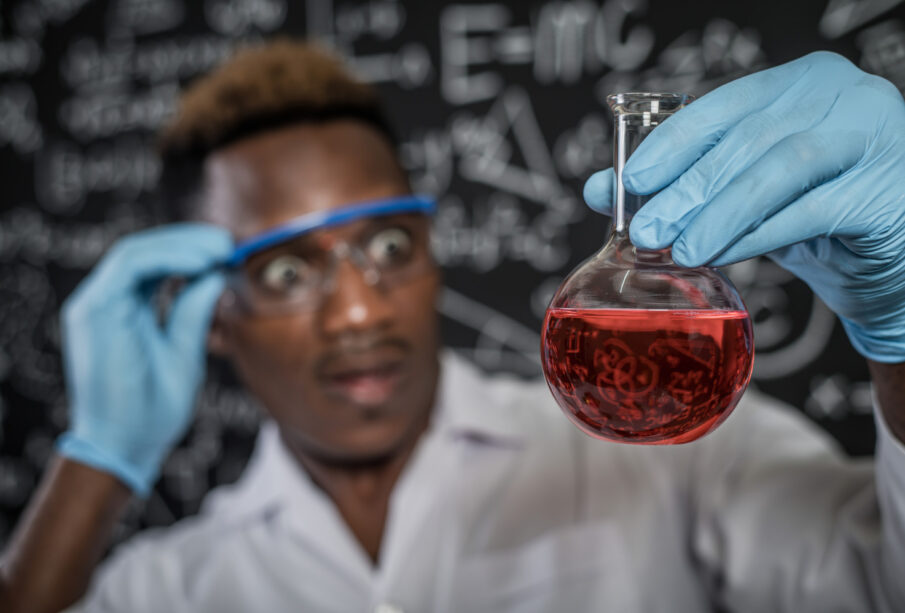
Medicine as we know it today is the result of centuries of curiosity, experimentation, and groundbreaking discoveries.
From understanding how diseases spread to developing life-saving treatments, science has transformed healthcare and dramatically improved human survival. Here are some of the most influential scientific discoveries that reshaped medicine forever.
1. Germ Theory of Disease
One of the most important breakthroughs in medical history is the Germ Theory of Disease. Before this discovery, many believed diseases were caused by “bad air” or supernatural forces. Scientists like Louis Pasteur and Robert Koch proved that microorganisms such as bacteria and viruses are responsible for many illnesses.
Impact:
This discovery revolutionized hygiene practices, led to sterilization methods, and paved the way for vaccines and antibiotics.
2. The Discovery of Penicillin
In 1928, Alexander Fleming discovered Penicillin by accident when he noticed that mold could kill bacteria.
Impact:
Penicillin became the world’s first antibiotic, saving millions of lives by treating bacterial infections that were once fatal. It marked the beginning of modern antibiotic medicine.
3. Vaccination
The concept of vaccination began with Edward Jenner in the late 18th century. He developed the first vaccine to protect against smallpox.
Impact:
Vaccines have since eradicated or controlled deadly diseases like smallpox, polio, and measles. Immunization remains one of the most effective public health strategies worldwide.
4. DNA Structure Discovery
The identification of the double-helix structure of DNA by James Watson and Francis Crick unlocked the secrets of genetics.
Impact:
This discovery enabled advances in genetic testing, personalized medicine, and treatments for inherited diseases. It also laid the foundation for biotechnology and modern medical research.
5. Anesthesia in Surgery
Before anesthesia, surgeries were extremely painful and risky. The introduction of substances like ether and chloroform in the 19th century allowed doctors to perform operations without causing unbearable pain.
Impact:
Anesthesia made complex surgeries possible, improving survival rates and expanding the scope of medical procedures.
6. Medical Imaging (X-rays)
In 1895, Wilhelm Conrad Röntgen discovered X-rays, a form of electromagnetic radiation that can pass through the body.
Impact:
Medical imaging allows doctors to see inside the body without surgery, making diagnosis faster and more accurate. It later led to advanced technologies like CT scans and MRIs.
7. Insulin Discovery
The discovery of insulin by Frederick Banting and Charles Best transformed the treatment of diabetes.
Impact:
Before insulin, diabetes was often fatal. Today, millions of people live healthy lives thanks to insulin therapy.
8. Antibiotics Beyond Penicillin
Following penicillin, scientists developed many other antibiotics to fight different bacterial infections.
Impact:
These drugs have drastically reduced death rates from infections and made modern medical procedures like surgery and chemotherapy safer.
9. Organ Transplantation
The first successful human organ transplant in the 20th century opened new possibilities for treating organ failure.
Impact:
Organ transplantation has saved countless lives and continues to evolve with advancements in immunology and surgical techniques.
10. The Development of Public Health Systems
Scientific understanding of disease prevention led to the creation of sanitation systems, clean water supplies, and health policies.
Impact:
Public health measures have significantly increased life expectancy and reduced the spread of infectious diseases globally.
Conclusion
Scientific discoveries have continuously reshaped medicine, turning once-deadly diseases into manageable conditions and making healthcare more effective and accessible. From the microscopic world of bacteria to the complex structure of DNA, each breakthrough builds on the last, driving progress forward.
As research continues, the future of medicine holds even greater promise—with innovations like artificial intelligence, gene editing, and regenerative therapies set to redefine healthcare once again.




Leave a reply






Africa’s Source for Breaking News | Entertainments | Health | Finance | Sports | Lifestyle and Business News.


