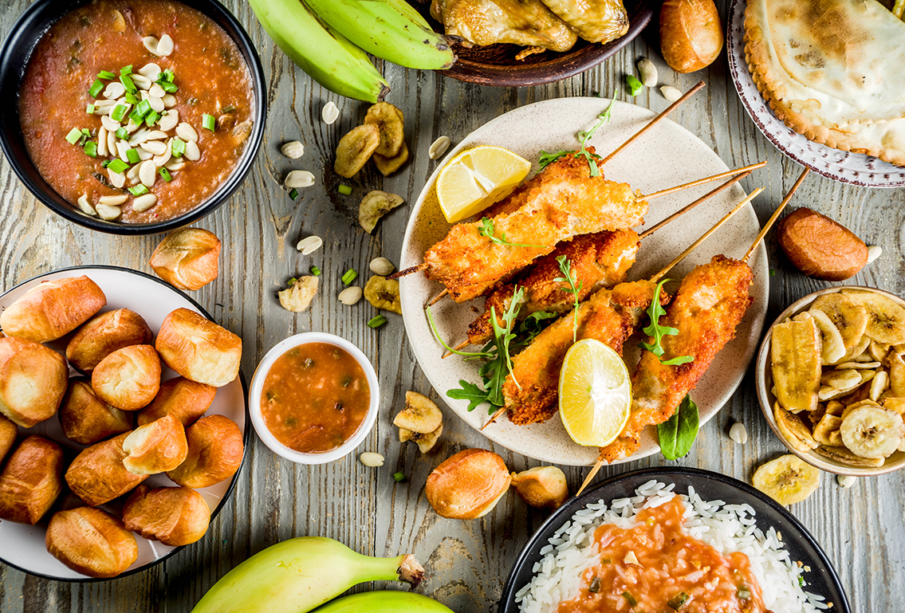
The Evolution of African Cuisine: A Journey Through Time, Culture, and Flavor
African cuisine is one of the world’s oldest and most diverse culinary traditions. Rooted in thousands of years of history, it reflects the continent’s rich cultural heritage, geographical diversity, and remarkable resilience. From the aromatic tagines of North Africa to the spicy stews of West Africa, the fermented dishes of East Africa, and the hearty braais of Southern Africa, African food tells stories of migration, trade, innovation, and community.
Today, African cuisine is enjoying unprecedented global recognition. Traditional ingredients are appearing on international restaurant menus, African chefs are earning worldwide acclaim, and food enthusiasts are increasingly discovering the depth and variety of the continent’s culinary traditions. Yet this growing popularity is only the latest chapter in a culinary history that stretches back millennia.
This article explores the evolution of African cuisine, examining how ancient practices, cultural exchanges, colonial influences, and modern innovation have shaped the vibrant food culture that continues to evolve across Africa.
The Origins of African Cuisine
Long before written history, Africa’s earliest inhabitants developed sophisticated methods of gathering, farming, fishing, and preserving food. Different climates gave rise to unique agricultural systems and culinary traditions.
Early African diets included:
Wild fruits and berries
Nuts and seeds
Root vegetables
Honey
Fish
Wild game
Indigenous grains
As agriculture spread across the continent thousands of years ago, communities began cultivating crops such as:
Sorghum
Millet
Fonio
Teff
Cowpeas
Yams
African rice
These crops became the foundation of regional cuisines and continue to be dietary staples today.
Geography Shaped African Food
Africa’s enormous size means no single cuisine represents the continent.
North Africa
Influenced by Mediterranean, Arab, and Berber traditions, North African cuisine features:
Couscous
Olives
Dates
Lamb
Chickpeas
Cinnamon
Saffron
Cumin
Slow-cooked stews and tagines remain culinary icons of the region.
West Africa
West African cuisine is known for bold flavors and hearty dishes.
Staple ingredients include:
Cassava
Yam
Plantain
Rice
Palm oil
Peppers
Groundnuts
Popular dishes include:
Jollof rice
Egusi soup
Fufu
Waakye
Groundnut soup
The region’s food culture emphasizes communal eating and generous hospitality.
East Africa
East African cuisine reflects centuries of Indian Ocean trade.
Common ingredients include:
Coconut
Rice
Lentils
Goat meat
Bananas
Maize
Spices
Famous dishes include:
Injera
Nyama choma
Pilau
Ugali
Sukuma wiki
Fermented foods are particularly significant in countries like Ethiopia and Eritrea.
Central Africa
Dense rainforests provide abundant natural ingredients.
Traditional foods include:
Cassava leaves
Plantains
Smoked fish
Wild mushrooms
Palm nuts
Cooking often involves slow simmering and wrapping foods in leaves.
Southern Africa
Southern African cuisine blends indigenous traditions with influences from European settlers and neighboring cultures.
Popular foods include:
Braai (barbecue)
Pap
Biltong
Chakalaka
Potjiekos
Game meat also remains important in many communities.
Ancient Trade Expanded African Kitchens
Africa has always been connected to global trade routes.
Merchants introduced new ingredients through:
Trans-Saharan trade
Indian Ocean trade
Mediterranean commerce
Nile River exchanges
These routes brought:
Cinnamon
Cloves
Cardamom
Citrus fruits
Rice varieties
New cooking techniques
African cooks creatively adapted these ingredients to local tastes.
The Impact of the Columbian Exchange
After contact between the Old and New Worlds in the late 15th century, several crops from the Americas transformed African agriculture and cuisine.
These included:
Maize
Cassava
Tomatoes
Peanuts
Chili peppers
Sweet potatoes
Today, many of these foods are so deeply woven into African culinary traditions that they are often assumed to be indigenous.
For example:
Cassava became a major staple across Central and West Africa.
Tomatoes revolutionized sauces and stews.
Chili peppers enhanced the bold spice profiles common in many regional dishes.
Maize became the foundation for foods such as pap, ugali, sadza, and nshima.
Colonial Influence on African Food
European colonization significantly altered food production and consumption.
Colonial governments encouraged commercial farming of export crops such as:
Cocoa
Coffee
Tea
Sugarcane
Cotton
While these industries generated economic activity, they often displaced indigenous farming systems and reduced the cultivation of traditional crops.
European cooking styles also introduced:
Bread
Pastries
Processed foods
Dairy products
New preservation methods
Despite these changes, African communities preserved many traditional recipes through families and cultural celebrations.
Food as a Reflection of Culture
African cuisine extends far beyond nutrition.
Food symbolizes:
Family unity
Hospitality
Celebration
Spirituality
Identity
Many important life events involve communal meals, including:
Weddings
Naming ceremonies
Harvest festivals
Religious celebrations
Funerals
In many African societies, preparing food together strengthens social bonds and preserves cultural knowledge across generations.
Indigenous Ingredients Making a Comeback
For decades, imported foods often received greater attention than indigenous crops.
Today, many African chefs, nutritionists, and farmers are rediscovering local superfoods such as:
Fonio
Bambara groundnuts
Baobab fruit
Moringa
Teff
Tigernuts
African eggplant
These ingredients are valued for their:
High nutritional content
Climate resilience
Sustainability
Cultural significance
Their revival also supports biodiversity and local farming communities.
The Rise of Modern African Cuisine
A new generation of chefs is redefining African food. Rather than abandoning tradition, they combine heritage recipes with contemporary techniques.
Modern African cuisine features:
Fine dining interpretations of classic dishes
Farm-to-table sourcing
Fusion cooking
Sustainable ingredients
Creative food presentation
Restaurants across cities such as Lagos, Nairobi, Accra, Kigali, Johannesburg, Cape Town, Cairo, and Dakar are showcasing Africa’s culinary diversity to local and international audiences.
African Cuisine Goes Global
African food is becoming increasingly visible around the world.
Several factors are driving this growth:
The African Diaspora
Communities living abroad have introduced traditional dishes to new audiences. Restaurants serving Ethiopian, Nigerian, Ghanaian, Senegalese, Moroccan, and South African cuisine now thrive in cities across Europe, North America, the Middle East, and Asia.
Social Media
Platforms like YouTube, Instagram, and TikTok have made African recipes more accessible than ever.
Home cooks and professional chefs regularly share:
Cooking tutorials
Ingredient guides
Cultural stories
Restaurant reviews
This digital exposure has inspired millions to explore African flavors.
Culinary Tourism
Travelers increasingly seek authentic food experiences. Food tours, cooking classes, local markets, and village dining experiences have become major attractions across many African destinations, contributing to local economies and preserving culinary traditions.
Sustainability and the Future of African Cuisine
Africa’s traditional food systems offer valuable lessons for sustainable living.
Many indigenous practices emphasize:
Seasonal eating
Minimal food waste
Local sourcing
Crop diversity
Natural preservation techniques
As climate change and food security become global concerns, these time-tested practices are gaining renewed relevance.
Governments, researchers, chefs, and entrepreneurs are also investing in food innovation by improving local food processing, reducing post-harvest losses, and promoting indigenous crops that are well suited to Africa’s changing climate.
Challenges Facing Traditional African Foods
Despite growing global interest, several challenges remain:
Urbanization is changing eating habits.
Fast food consumption continues to rise.
Some indigenous crops receive limited investment.
Traditional cooking knowledge risks being lost as older generations pass on.
Climate change affects agricultural productivity.
Global supply chains can overshadow locally produced foods.
Addressing these challenges requires stronger support for farmers, culinary education, food documentation, and policies that encourage local food production.
Conclusion
The evolution of African cuisine is a story of adaptation, resilience, and creativity. From ancient grains cultivated thousands of years ago to modern restaurants reinventing traditional recipes, African food has continuously evolved while preserving its cultural roots.
Today, the continent’s culinary traditions are gaining the global appreciation they deserve. Indigenous ingredients are returning to prominence, chefs are celebrating local heritage with fresh perspectives, and communities are recognizing that food is not only nourishment but also a powerful expression of history, identity, and innovation.
As African cuisine continues to evolve, it offers the world far more than delicious meals, it provides a rich tapestry of cultures, traditions, and sustainable practices that inspire future generations. By preserving traditional knowledge while embracing thoughtful innovation, Africa’s culinary heritage will continue to flourish and influence global gastronomy for years to come.