
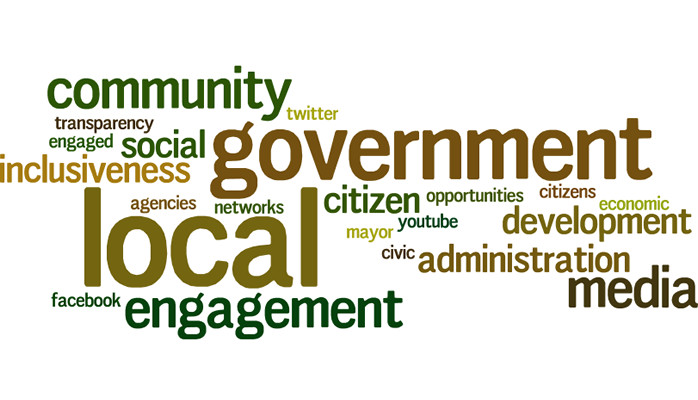
How Local Governments Drive Community Development
Community development begins at the local level.
While national governments often establish broad policies and allocate major resources, it is local governments that translate those policies into practical improvements that people experience every day. From maintaining roads and markets to providing clean water, supporting education, and encouraging local businesses, local governments are central to improving the quality of life within communities.
Across Africa, where rapid urbanization and population growth continue to reshape towns and cities, effective local governance has become increasingly important. Communities with responsive local administrations are often better equipped to meet residents’ needs, attract investment, and build sustainable economic opportunities.
This article explores the many ways local governments contribute to community development and why strengthening local institutions remains essential for Africa’s future.
Understanding Local Government
Local government refers to the administrative bodies responsible for governing specific geographical areas such as municipalities, districts, counties, or local councils. Their primary responsibility is to manage public services and development projects closest to the people.
Unlike national governments that focus on countrywide issues such as defense and foreign affairs, local governments deal directly with everyday community concerns, including:
- Road maintenance
- Waste management
- Public health services
- Local education support
- Community safety
- Housing and urban planning
- Local economic development
- Environmental conservation
Their close proximity to citizens allows them to better understand local challenges and develop practical solutions.
Building Essential Infrastructure
Infrastructure serves as the backbone of every thriving community. Local governments oversee many projects that directly affect residents’ daily lives.
These include:
- Construction of local roads
- Drainage systems
- Street lighting
- Public parks
- Community halls
- Markets
- Bus terminals
- Water supply systems
In many African communities, improved infrastructure reduces transportation costs, supports business activities, improves access to schools and hospitals, and enhances overall living standards.
Reliable infrastructure also attracts private investment, encouraging companies to establish businesses that create employment opportunities.
Supporting Education
Education remains one of the strongest drivers of long-term community development.
Although national governments often set educational policies, local governments frequently support schools by:
- Building classrooms
- Maintaining school facilities
- Providing learning materials
- Supporting teacher accommodation
- Promoting adult literacy programs
- Encouraging vocational training
Many communities also partner with local governments to establish community libraries, digital learning centers, and youth development programs that improve educational outcomes.
Investing in education prepares future generations with the knowledge and skills needed for economic growth.
Improving Healthcare Services
Healthy communities are productive communities.
Local governments often manage or support:
- Primary healthcare centers
- Maternal and child health clinics
- Vaccination campaigns
- Disease prevention programs
- Sanitation initiatives
- Community health education
In rural Africa, accessible healthcare facilities significantly reduce preventable diseases and improve maternal and child survival rates.
Local governments also coordinate emergency health responses during disease outbreaks and natural disasters.
Promoting Local Economic Development
One of the most visible roles of local governments is creating an environment where businesses can grow.
They contribute by:
Supporting Small Businesses
Many local governments simplify business registration, improve market infrastructure, and provide entrepreneurship training for local residents.
These initiatives encourage the growth of small and medium-sized enterprises (SMEs), which generate employment and strengthen local economies.
Developing Markets
Modern markets provide safe trading spaces for farmers, traders, and artisans. Well-managed markets improve sanitation, increase commercial activities, and expand opportunities for local producers.
Encouraging Investment
Communities with reliable infrastructure, transparent governance, and supportive business policies attract domestic and international investors. New investments often create jobs while increasing local government revenue through taxes and service fees.
Creating Employment Opportunities
Local governments contribute directly and indirectly to job creation.
Employment opportunities arise through:
- Public construction projects
- Road maintenance
- Environmental sanitation
- Agricultural programs
- Community development projects
- Tourism initiatives
In addition, local governments often collaborate with development agencies to offer vocational training, apprenticeship programs, and youth employment initiatives.
Supporting Agriculture
Agriculture remains the primary source of income for millions of Africans.
Local governments help farmers through:
- Extension services
- Rural road construction
- Irrigation support
- Market access programs
- Storage facilities
- Agricultural cooperatives
Improved agricultural support strengthens food security while increasing household incomes.
Strengthening Community Participation
Successful development requires active citizen involvement.
Local governments encourage participation through:
- Town hall meetings
- Community consultations
- Budget discussions
- Development committees
- Public feedback systems
When residents participate in planning projects, development initiatives better reflect local priorities and are more likely to succeed.
Citizen participation also strengthens accountability and transparency.
Protecting the Environment
Environmental sustainability has become an increasingly important responsibility.
Local governments promote environmental protection through:
- Waste collection
- Recycling programs
- Tree planting
- Flood prevention
- Water conservation
- Pollution control
- Public sanitation campaigns
These initiatives improve public health while preserving natural resources for future generations.
Enhancing Public Safety
Safe communities encourage investment and improve quality of life.
Local governments support safety through:
- Street lighting
- Traffic management
- Fire services
- Community policing partnerships
- Disaster preparedness
- Emergency response planning
Better public safety creates environments where businesses, schools, and families can thrive.
Supporting Social Welfare
Community development extends beyond physical infrastructure.
Local governments often provide assistance for:
- Vulnerable children
- Older adults
- Persons with disabilities
- Women-led households
- Low-income families
Social welfare programs may include food assistance, healthcare subsidies, housing support, and community empowerment initiatives.
These services help reduce inequality while strengthening social cohesion.
Preserving Culture and Heritage
Africa’s rich cultural diversity represents both an economic asset and a source of community identity.
Local governments support cultural preservation through:
- Cultural festivals
- Museums
- Historical site conservation
- Traditional arts promotion
- Tourism development
These efforts preserve heritage while generating income through cultural tourism.
Encouraging Digital Transformation
Modern local governments increasingly embrace technology to improve public service delivery.
Digital services include:
- Online tax payments
- Electronic permits
- Digital complaint systems
- Geographic information systems (GIS)
- Smart city initiatives
- Digital records management
Technology improves efficiency, reduces corruption, and enhances transparency.
Challenges Facing Local Governments
Despite their importance, many local governments across Africa face significant challenges.
Common obstacles include:
Limited Financial Resources
Many councils depend heavily on national government allocations, making it difficult to finance major development projects.
Weak Administrative Capacity
Some local administrations lack adequately trained personnel or modern management systems.
Rapid Urbanization
Population growth often outpaces infrastructure development, creating pressure on housing, transportation, healthcare, and sanitation services.
Corruption and Poor Accountability
Mismanagement of public funds reduces the effectiveness of development programs and weakens public trust.
Climate Change
Floods, droughts, erosion, and extreme weather increasingly challenge local governments’ ability to maintain infrastructure and protect vulnerable communities.
Strategies for Stronger Community Development
Improving local government performance requires collaborative efforts.
Key strategies include:
- Increasing financial independence
- Strengthening transparency and accountability
- Expanding citizen participation
- Investing in staff training
- Adopting digital governance systems
- Encouraging public-private partnerships
- Supporting youth engagement
- Improving long-term development planning
These measures can significantly improve service delivery and sustainable growth.
The Future of Local Government in Africa
Africa’s future development will depend heavily on strong local institutions. As cities expand and rural communities modernize, local governments will play an even greater role in managing infrastructure, fostering entrepreneurship, delivering essential services, and promoting inclusive growth.
Emerging technologies, decentralized governance, and stronger collaboration with civil society and the private sector present new opportunities for local authorities to respond more effectively to community needs. When local governments are empowered with adequate resources, skilled personnel, and accountable leadership, they become powerful engines of economic development and social progress.
Conclusion
Local governments are the foundation of community development. Their decisions shape the roads people travel, the schools children attend, the healthcare families receive, the markets where businesses operate, and the public spaces where communities gather.
Across Africa, strengthening local governance is essential for building resilient, inclusive, and prosperous communities. Through effective leadership, transparent management, citizen participation, and strategic investment, local governments can transform neighborhoods into thriving centers of opportunity. As communities continue to grow and evolve, responsive local governance will remain one of the most important drivers of sustainable development and improved quality of life.




Leave a reply






Africa’s Source for Breaking News | Entertainments | Health | Finance | Sports | Lifestyle and Business News.


