
The Future of Affordable Housing in African Cities
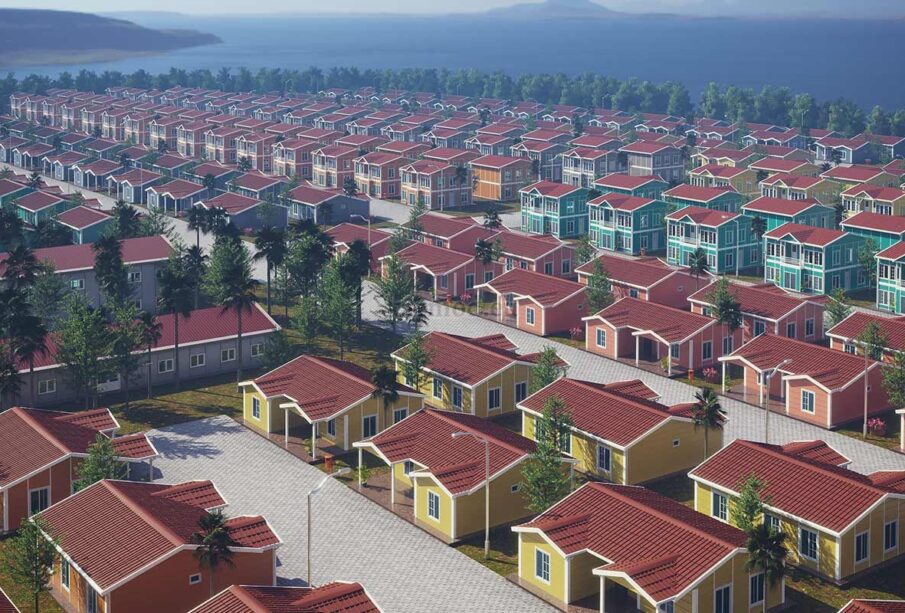
The Future of Affordable Housing in African Cities
Africa’s cities are growing at an unprecedented pace.
Every year, millions of people move to urban areas in search of jobs, education, business opportunities, and better living conditions. This rapid urbanization is creating exciting opportunities, but it is also putting enormous pressure on housing.
Across cities such as Lagos, Nairobi, Accra, Johannesburg, Addis Ababa, Dar es Salaam, and Kigali, the demand for decent and affordable homes continues to rise. However, housing supply has often struggled to keep pace with population growth. As a result, many urban residents face high rents, overcrowding, informal settlements, and long commutes from affordable neighborhoods to places of employment.
The future of affordable housing in African cities will therefore depend on how governments, developers, financial institutions, communities, and technology companies respond to this growing challenge.
Why Affordable Housing Matters
Affordable housing is more than simply providing people with a roof over their heads. A suitable home can influence health, education, productivity, family stability, and economic participation.
When housing consumes too much of a household’s income, families have less money available for food, transportation, healthcare, education, and savings. High housing costs can also push workers farther away from employment centers, increasing transportation expenses and commuting times.
Affordable housing can help cities become more inclusive. It gives workers, young professionals, families, and lower-income households an opportunity to live closer to schools, workplaces, markets, healthcare facilities, and public transportation.
The Growing Housing Challenge
Africa’s urban population is expanding rapidly. However, housing construction has not always matched this growth.
One major challenge is the cost of land. In many large cities, land close to employment centers and essential services is expensive. Developers may therefore focus on higher-income housing because it can generate stronger financial returns.
Construction costs are another obstacle. Cement, steel, transportation, labor, infrastructure, and other inputs can make housing expensive to build. Currency fluctuations and inflation can add further pressure, particularly when construction materials or equipment are imported.
Financing is also a major issue. Many households have limited access to affordable mortgages or long-term housing loans. Without suitable financing options, even reasonably priced homes can remain out of reach for many workers.
Smaller and More Efficient Homes
One possible direction for African housing is the development of smaller, well-designed homes.
Affordable does not necessarily have to mean poorly constructed or uncomfortable. Architects and developers can use space more efficiently by designing compact apartments, flexible rooms, shared facilities, and multi-purpose living areas.
For example, a small apartment can be designed so that one room serves different purposes throughout the day. Built-in storage can reduce clutter, while thoughtful layouts can make smaller homes feel more spacious.
This approach could become particularly important in densely populated cities where land is limited and expensive.
Building Upward
Vertical housing could also play a larger role in Africa’s urban future.
Instead of continuously expanding cities outward, developers can construct apartments and mixed-use developments that accommodate more residents on smaller pieces of land.
Well-planned apartment communities can combine housing with shops, recreational areas, schools, offices, and other services. This approach can reduce the need for long journeys and make better use of existing urban infrastructure.
However, vertical development must be carefully planned. High-rise housing without adequate water supply, electricity, drainage, roads, waste management, and public transportation can create new problems rather than solve existing ones.
Technology and Construction Innovation
Technology could transform how affordable homes are designed and constructed.
Digital design tools can help architects optimize materials and reduce waste. New construction techniques, prefabricated components, modular systems, and locally produced building materials could potentially reduce construction time and costs.
Some African entrepreneurs are already exploring innovative approaches to construction. Local materials, recycled materials, alternative building systems, and improved manufacturing processes could provide additional options for developers.
The important goal is not simply to introduce new technology. It is to identify technologies that are affordable, durable, locally appropriate, and easy to maintain.
The Role of Local Building Materials
The future of affordable housing may also depend on greater use of locally available resources.
When construction relies heavily on imported materials, exchange-rate changes and international supply disruptions can increase costs. Developing local manufacturing capacity could help reduce some of these pressures.
Using suitable local materials can also create employment opportunities. From manufacturing blocks to producing roofing materials, doors, windows, furniture, and other components, housing development can support businesses throughout the local economy.
Quality must remain a priority, however. Affordable housing should meet appropriate safety, durability, and environmental standards.
Government Policies Will Matter
Governments have an important role in creating an environment where affordable housing can grow.
Policies can influence land availability, building approvals, taxation, infrastructure development, financing, and rental markets. Governments can also work with private developers to create housing projects targeted at different income groups.
Public investment in roads, water systems, electricity, drainage, and public transportation can make previously underdeveloped areas more suitable for housing.
Land-use planning is equally important. If affordable housing is built far from employment centers without reliable transportation, residents may end up paying the difference through expensive and time-consuming commutes.
Public-Private Partnerships
Neither governments nor private developers can solve Africa’s housing challenge alone.
Public-private partnerships could provide a way to combine government resources and policy support with private-sector financing, construction expertise, and innovation.
For instance, governments can make suitable land available while private companies handle construction and management. Financial institutions can provide housing finance, while community organizations help identify the needs of residents.
Such partnerships can create larger housing programs while distributing responsibilities among different stakeholders.
New Approaches to Housing Finance
Affordable housing also requires affordable financing.
Traditional mortgages may not work for everyone, particularly workers with irregular incomes or those employed in the informal economy. Financial institutions could explore alternative products designed around the realities of African households.
Cooperative housing models, rent-to-own arrangements, savings groups, incremental construction loans, and community-based financing could provide additional pathways to homeownership.
Digital financial services may also make it easier for households to save toward housing and make regular payments.
The key is to develop financing systems that recognize the diversity of African incomes rather than assuming every household has a conventional salaried job.
Rental Housing Will Remain Important
Affordable housing should not focus exclusively on homeownership.
Millions of Africans will continue to rent, especially young professionals, students, migrants, entrepreneurs, and workers who move frequently for employment.
Affordable rental housing can therefore become an important part of future urban development. Well-managed rental communities can offer residents predictable costs, reliable services, security, and access to transportation.
Cities can also explore policies that encourage responsible investment in rental housing while protecting tenants from unfair practices.
Upgrading Informal Settlements
Another important part of Africa’s housing future is improving existing communities.
Many informal settlements already contain established businesses, schools, social networks, and households that have lived in the area for years. Demolishing such communities without providing realistic alternatives can disrupt livelihoods and increase housing insecurity.
Instead, some cities can focus on upgrading existing neighborhoods.
Improvements might include better drainage, roads, sanitation, electricity, water supply, waste collection, public spaces, and safer housing structures.
Community participation is essential. Residents should have opportunities to contribute to decisions affecting their neighborhoods.
Housing and Public Transportation Must Connect
Affordable housing cannot be considered separately from transportation. A home may appear inexpensive, but if residents spend several hours each day commuting to work, the real cost of living can become much higher.
Future housing developments should therefore be connected to reliable public transportation. Bus networks, rail systems, cycling infrastructure, and walkable streets can make affordable neighborhoods more practical.
Transit-oriented development could become increasingly relevant in major African cities as governments expand urban transportation networks.
Climate-Resilient Housing
African cities also need homes that can withstand changing environmental conditions.
Flooding, extreme heat, water shortages, and other climate-related challenges can affect housing costs and safety. Future affordable homes should incorporate practical features such as adequate drainage, ventilation, shading, efficient water use, and appropriate building materials.
Climate-conscious design can also reduce long-term household expenses. Homes that require less energy for cooling, for example, can help residents manage electricity costs.
The Rise of Community-Led Housing
Communities themselves may become increasingly important participants in solving the housing problem. Housing cooperatives and community organizations can pool resources, negotiate for land, organize construction, and establish shared facilities.
This model can be particularly useful for groups with common needs, such as workers, professional associations, religious organizations, or neighborhood communities.
Community-led approaches can also make housing projects more responsive to residents’ actual needs.
What African Cities Need to Prioritize
The future of affordable housing will require more than simply constructing large numbers of buildings. Cities need an integrated approach that considers:
- Affordable land
- Accessible housing finance
- Efficient construction
- Reliable infrastructure
- Public transportation
- Local building materials
- Rental housing
- Climate resilience
- Community participation
- Transparent urban planning
These factors are closely connected. A housing project cannot remain genuinely affordable if residents face unreliable infrastructure, expensive transportation, or unsustainable financing.
Conclusion
The future of affordable housing in African cities will be shaped by innovation, planning, financing, and collaboration.
Africa’s growing cities have an opportunity to develop housing systems that are more inclusive and better suited to the realities of their populations. Smaller homes, apartment communities, improved construction methods, local materials, alternative financing, rental housing, and upgraded informal settlements can all contribute to this future.
Most importantly, affordable housing should be viewed as part of a larger urban system. People need homes, but they also need jobs, transportation, healthcare, education, markets, infrastructure, and safe public spaces.
If African cities can bring these elements together, the housing challenge can become an opportunity to build cities that are more productive, connected, resilient, and accessible to a wider range of residents.




Leave a reply






Africa’s Source for Breaking News | Entertainments | Health | Finance | Sports | Lifestyle and Business News.


