
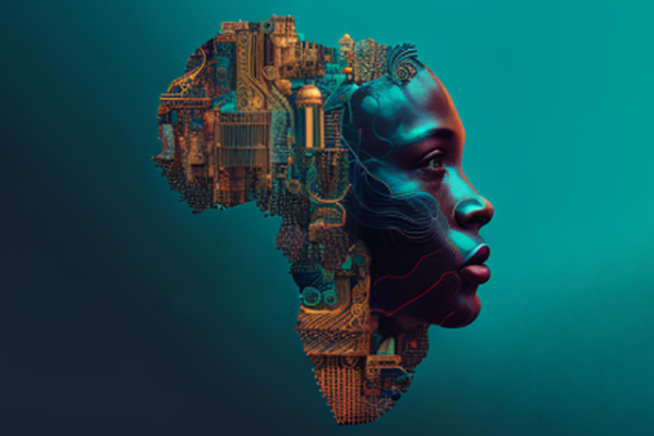
The Future of Artificial Intelligence in Africa
Artificial Intelligence (AI) is no longer a futuristic concept reserved for advanced economies.
Across Africa, AI is rapidly becoming a powerful tool for solving some of the continent’s most pressing challenges while creating new opportunities for economic growth, innovation, and social development. As governments, businesses, and entrepreneurs increasingly embrace digital transformation, AI is poised to play a significant role in shaping Africa’s future.
Understanding AI’s Growing Influence
Artificial Intelligence refers to computer systems that can perform tasks that typically require human intelligence, such as learning, decision-making, language processing, and problem-solving. Recent advancements in machine learning, data analytics, and cloud computing have made AI more accessible than ever before.
For Africa, AI presents an opportunity to leapfrog traditional development barriers. Just as mobile technology revolutionized banking and communication across the continent, AI has the potential to transform industries ranging from healthcare and agriculture to education and transportation.
AI in Agriculture: Feeding a Growing Population
Agriculture remains the backbone of many African economies, employing millions of people and contributing significantly to GDP. However, farmers continue to face challenges such as climate change, pests, and limited access to information.
AI-powered solutions are helping address these issues through:
- Crop monitoring using satellite imagery and drones.
- Predictive analytics for weather forecasting.
- Early detection of plant diseases and pest infestations.
- Smart irrigation systems that optimize water usage.
By improving productivity and reducing losses, AI can help strengthen food security across the continent while increasing farmers’ incomes.
Revolutionizing Healthcare
Access to quality healthcare remains a challenge in many African countries, particularly in rural communities. AI offers innovative ways to bridge these gaps.
Healthcare applications include:
- AI-assisted diagnosis of diseases.
- Medical imaging analysis.
- Virtual health assistants and chatbots.
- Predictive disease surveillance.
- Personalized treatment recommendations.
In regions where medical professionals are scarce, AI tools can support healthcare workers by providing faster and more accurate diagnostic assistance.
Transforming Education
Africa has one of the world’s youngest populations, making education a critical priority. AI-driven learning platforms can personalize education to meet individual student needs, helping learners progress at their own pace.
Potential benefits include:
- Adaptive learning systems.
- Automated assessment and feedback.
- Language translation for diverse populations.
- Virtual tutoring services.
- Improved access to quality educational content.
These technologies can help reduce educational inequalities and prepare young Africans for a rapidly changing job market.
The Rise of AI-Powered Financial Services
Africa has already demonstrated global leadership in financial innovation through mobile money services. AI is now enhancing financial inclusion even further.
Financial institutions are using AI to:
- Assess creditworthiness for underserved populations.
- Detect fraud and financial crimes.
- Improve customer service through chatbots.
- Automate loan approvals.
- Analyze spending patterns for personalized financial advice.
As more Africans gain access to digital financial services, AI will help create safer, faster, and more inclusive financial ecosystems.
Smart Cities and Urban Development
Africa’s cities are growing rapidly, creating both opportunities and challenges. AI can help urban planners manage infrastructure, transportation, and public services more efficiently.
Smart city initiatives may include:
- Intelligent traffic management systems.
- Energy-efficient utilities.
- Enhanced public safety monitoring.
- Waste management optimization.
- Urban planning through data-driven insights.
These innovations can improve quality of life while supporting sustainable urban growth.
Growing Opportunities for African Startups
The African technology ecosystem has expanded significantly over the past decade. AI-focused startups are emerging across sectors, developing solutions tailored to local needs.
Entrepreneurs are leveraging AI to address challenges in:
- Agriculture.
- Healthcare.
- Logistics.
- E-commerce.
- Education.
- Customer service.
As investment in African technology continues to grow, AI startups are expected to become major contributors to economic development and job creation.
Challenges That Must Be Addressed
Despite its promise, AI adoption in Africa faces several obstacles.
Limited Digital Infrastructure
Reliable internet access, electricity, and data centers remain unevenly distributed across the continent. Expanding digital infrastructure is essential for AI growth.
Skills and Talent Gaps
There is a growing demand for data scientists, machine learning engineers, and AI researchers. Educational institutions and training programs must help develop these skills locally.
Data Availability and Quality
AI systems depend on large volumes of high-quality data. Many African markets still face challenges related to data collection, storage, and management.
Ethical and Regulatory Concerns
As AI becomes more widespread, governments and organizations must establish frameworks that promote fairness, privacy, transparency, and accountability.
The Role of Governments and Policymakers
Governments have a crucial role to play in creating an environment where AI can thrive responsibly.
Key priorities include:
- Investing in digital infrastructure.
- Supporting AI research and innovation.
- Developing clear regulatory frameworks.
- Encouraging public-private partnerships.
- Expanding digital literacy programs.
Countries that proactively support AI development may gain significant competitive advantages in the global digital economy.
Looking Ahead
The future of Artificial Intelligence in Africa is filled with possibilities. While challenges remain, the continent’s youthful population, growing technology ecosystem, and culture of innovation provide strong foundations for AI-driven progress.
Rather than replacing human potential, AI can serve as a powerful tool that empowers individuals, businesses, and governments to solve complex problems more effectively. From increasing agricultural productivity and improving healthcare access to expanding financial inclusion and creating smarter cities, AI has the potential to accelerate Africa’s development in transformative ways.
As investment, education, and infrastructure continue to improve, Africa is likely to become not only a consumer of AI technologies but also an important contributor to the global AI landscape. The coming years may well define a new era in which African innovators help shape the future of artificial intelligence for the world.




Leave a reply





Africa’s Source for Breaking News | Entertainments | Health | Finance | Sports | Lifestyle and Business News.


