
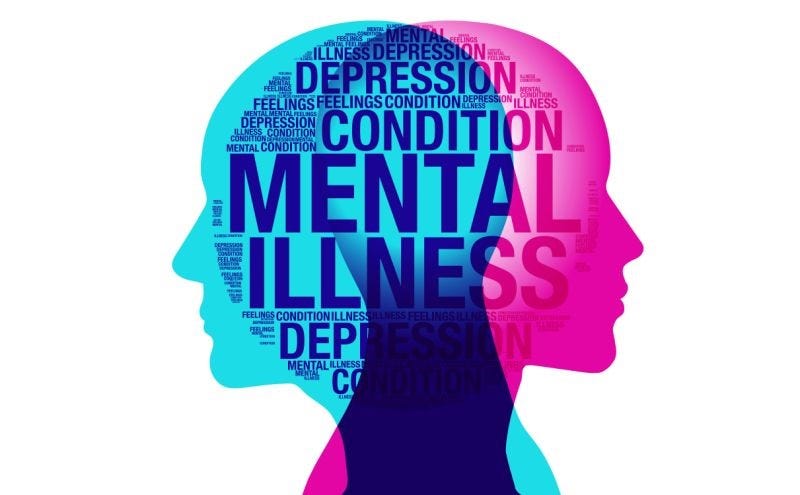
Understanding Mental Wellness in African Communities
Mental wellness is an essential part of overall health, yet it remains one of the most misunderstood aspects of well-being in many African communities.
While awareness about physical health continues to grow across the continent, conversations about mental health are often limited by cultural beliefs, social stigma, and lack of access to professional support. However, changing lifestyles, urbanization, economic pressures, and increased awareness are encouraging more Africans to recognize the importance of mental wellness.
Understanding mental wellness within African communities requires acknowledging both traditional perspectives and modern approaches to mental health. By fostering open discussions and promoting support systems, communities can create healthier environments where individuals thrive emotionally, psychologically, and socially.
What Is Mental Wellness?
Mental wellness refers to a person’s ability to cope with life’s challenges, maintain healthy relationships, manage stress, and contribute positively to their community. It goes beyond the absence of mental illness and includes emotional resilience, self-awareness, confidence, and a sense of purpose.
Someone experiencing good mental wellness can:
- Handle everyday stress effectively.
- Build and maintain meaningful relationships.
- Adapt to change and uncertainty.
- Make informed decisions.
- Contribute productively to family and society.
Mental wellness affects people of all ages, backgrounds, and socioeconomic levels.
Traditional Perspectives on Mental Health in Africa
Many African societies have historically viewed mental and emotional well-being through cultural and spiritual lenses. Communities often rely on family networks, religious institutions, elders, and traditional healers to address emotional distress.
While these support systems can provide comfort and guidance, some mental health conditions may be misunderstood or attributed solely to spiritual causes. As a result, individuals experiencing depression, anxiety, or other psychological challenges may hesitate to seek professional help.
Despite these challenges, African cultures possess strengths that can positively support mental wellness, including:
- Strong family bonds.
- Community support systems.
- Shared cultural identity.
- Religious and spiritual encouragement.
- Collective approaches to problem-solving.
These traditional strengths can complement modern mental health practices when integrated appropriately.
Common Mental Wellness Challenges in African Communities
Economic Pressures
Rising living costs, unemployment, and financial uncertainty can place significant stress on individuals and families. Young people entering competitive job markets often experience anxiety about their future, while parents face pressure to provide for their households.
Urbanization and Lifestyle Changes
Rapid urban growth has transformed many African cities. While urbanization creates opportunities, it can also lead to social isolation, longer working hours, and increased stress levels.
Academic and Career Expectations
Students and young professionals often face intense pressure to succeed academically and financially. Fear of failure and societal expectations can negatively affect self-esteem and emotional well-being.
Social Media Influence
The widespread use of digital platforms has connected people across the continent. However, constant exposure to idealized lifestyles can contribute to feelings of inadequacy, loneliness, and anxiety.
Conflict and Displacement
In some regions, communities affected by conflict, displacement, or natural disasters may experience trauma that impacts mental wellness for years after the events occur.
Breaking the Stigma Around Mental Health
One of the biggest obstacles to mental wellness in Africa is stigma. Many individuals fear being judged, labeled, or misunderstood if they discuss emotional struggles.
Breaking this stigma requires:
- Encouraging open conversations about mental health.
- Educating communities about common mental health conditions.
- Sharing personal stories of recovery and resilience.
- Promoting empathy and understanding.
- Challenging harmful stereotypes.
When communities normalize discussions about mental wellness, more people feel comfortable seeking help when needed.
The Role of Family and Community Support
Family and community remain central to life across much of Africa. These social networks can play a crucial role in promoting mental wellness.
Supportive families can:
- Listen without judgment.
- Encourage healthy coping strategies.
- Recognize signs of emotional distress.
- Help individuals access professional support.
Community organizations, faith-based groups, schools, and workplaces can also create safe spaces where mental health discussions are welcomed and supported.
Practical Ways to Improve Mental Wellness
Prioritize Physical Health
Regular exercise, balanced nutrition, and adequate sleep have a direct impact on mental well-being. Healthy habits can improve mood, energy levels, and resilience.
Build Strong Relationships
Maintaining connections with family, friends, and supportive networks helps reduce feelings of isolation and promotes emotional stability.
Manage Stress Effectively
Simple practices such as deep breathing, prayer, meditation, journaling, and time management can help individuals cope with everyday stress.
Limit Negative Media Exposure
Taking breaks from social media and consuming balanced information can reduce anxiety and improve emotional health.
Seek Professional Help When Needed
Counselors, psychologists, and mental health professionals can provide valuable support for individuals experiencing persistent emotional challenges. Seeking help should be viewed as a sign of strength rather than weakness.
Mental Wellness Among African Youth
Africa has one of the world’s youngest populations, making youth mental wellness increasingly important. Young people face unique challenges related to education, employment, identity, and digital life.
Schools, universities, and youth organizations can contribute by:
- Providing mental health education.
- Offering counseling services.
- Promoting peer support programs.
- Encouraging healthy lifestyle habits.
- Creating environments where young people feel heard and valued.
Investing in youth mental wellness contributes to stronger communities and future economic growth.
The Future of Mental Wellness in Africa
Awareness of mental health issues is steadily increasing across the continent. Governments, healthcare organizations, educational institutions, and community leaders are beginning to recognize the importance of mental wellness in national development.
Technology is also expanding access to mental health resources through teletherapy, mobile health applications, and online support communities. These innovations have the potential to reach individuals in both urban and rural areas.
As conversations continue to evolve, Africa has an opportunity to combine traditional community strengths with modern mental health practices to create more inclusive and supportive societies.
Conclusion
Mental wellness is a vital component of individual and community well-being. Although challenges such as stigma, limited awareness, and economic pressures persist, African communities possess unique strengths that can support emotional and psychological health. Through education, open dialogue, family support, and increased access to professional care, mental wellness can become a shared priority across the continent. By embracing both cultural traditions and modern approaches, African societies can build healthier, more resilient communities for future generations.



Leave a reply




Africa’s Source for Breaking News | Entertainments | Health | Finance | Sports | Lifestyle and Business News.


