
The Rise of Organic Farming Across Africa
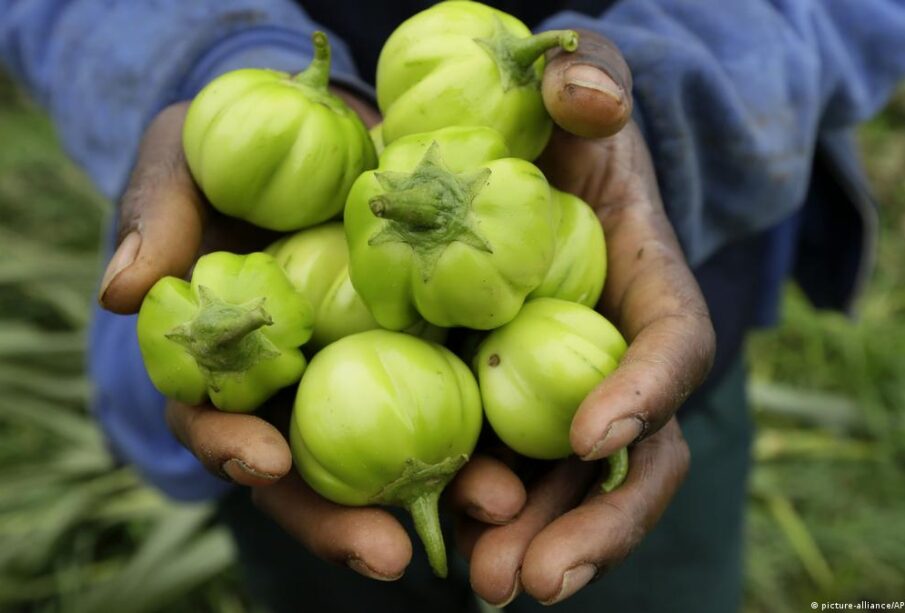
The Rise of Organic Farming Across Africa
Organic farming is gaining attention across Africa as farmers, consumers, businesses, and policymakers look for more sustainable ways to produce food.
The approach focuses on natural farming practices, healthy soil, responsible resource use, and reduced dependence on synthetic agricultural inputs.
Africa already has strong traditions of small-scale and environmentally conscious farming. However, growing food demand, changing consumer preferences, climate concerns, and expanding agricultural markets are encouraging more farmers to explore organic production.
From vegetable farms near major cities to larger commercial operations, organic agriculture continues to create new opportunities across the continent.
What Is Organic Farming?
Organic farming uses natural processes to grow crops and raise livestock. Farmers may rely on compost, animal manure, crop rotation, biological pest control, and other methods that support soil health.
Unlike conventional farming systems that often depend heavily on synthetic fertilizers and pesticides, organic agriculture seeks to reduce the use of artificial inputs.
The exact rules for organic production vary between countries and certification systems. However, most approaches emphasize environmental responsibility, careful soil management, and sustainable agricultural practices.
Why Organic Farming Is Growing in Africa
Several factors are contributing to the growing interest in organic agriculture.
Rising Consumer Interest
Consumers in African cities are becoming increasingly interested in the quality and origin of their food. Health-conscious shoppers often look for fresh vegetables, fruits, grains, and other products produced with fewer synthetic agricultural chemicals.
Social media has also made it easier for farmers and food businesses to educate consumers about how they produce food. As awareness grows, some customers are willing to seek out organic products and pay attention to farming practices.
Growing Urban Populations
Africa’s cities continue to expand, creating greater demand for fresh food. Urban consumers need reliable access to vegetables, fruits, herbs, grains, and other agricultural products.
This demand has encouraged farmers to explore urban and peri-urban agriculture. In countries such as Nigeria, Kenya, Ghana, South Africa, and Uganda, farmers can supply nearby cities with fresh produce.
Organic methods can fit into some of these smaller farming systems, particularly where farmers use composting, crop rotation, and natural pest-management techniques.
Organic Farming and Soil Health
Healthy soil plays a central role in successful agriculture. Organic farmers often improve soil quality by adding compost, manure, plant residues, and other organic materials.
These practices can increase soil organic matter and support beneficial organisms. Farmers may also rotate crops instead of planting the same crop repeatedly on the same piece of land.
Over time, good soil management can help farmers maintain productive farmland. It can also reduce dependence on certain external agricultural inputs.
Opportunities for Smallholder Farmers
Smallholder farmers produce a significant share of Africa’s food. For these farmers, organic agriculture can create both opportunities and challenges.
Local resources such as crop residues, animal manure, and compost can provide useful inputs. Farmers who produce these materials themselves may reduce spending on some purchased inputs.
Organic markets can also create opportunities for farmers who meet certification and quality requirements. Restaurants, supermarkets, exporters, food processors, and specialty retailers may create demand for certified organic produce.
However, farmers need access to training, reliable markets, certification support, finance, and suitable infrastructure before they can benefit fully from these opportunities.
Organic Farming and Climate Resilience
Climate change creates difficult conditions for African farmers. Droughts, irregular rainfall, floods, soil degradation, and rising temperatures can affect agricultural productivity.
Organic farming practices can contribute to broader soil and land-management strategies. For example, farmers can use mulching, cover crops, compost, crop diversification, and agroforestry to protect soil and improve water management.
These practices do not eliminate climate-related risks. However, they can form part of wider efforts to build more resilient agricultural systems.
The Growth of Organic Markets
African organic products are appearing in more markets. Fresh vegetables, fruits, coffee, cocoa, tea, spices, grains, and other agricultural products can enter organic supply chains when producers meet the relevant standards.
Countries such as Uganda, Kenya, Tanzania, Ethiopia, Ghana, and South Africa have developed organic agriculture sectors with different levels of market development.
Export markets also create opportunities. International demand for organic products can provide farmers and agricultural businesses with access to customers beyond their local communities.
At the same time, producers must meet strict requirements involving production methods, traceability, processing, packaging, and certification.
Technology Is Changing Organic Agriculture
Technology is also influencing modern organic farming.
Farmers can use mobile applications to access weather information, farming advice, market prices, and agricultural education. Digital platforms can help producers connect with buyers and coordinate deliveries.
Simple technologies can make a difference too. Drip irrigation, solar-powered equipment, greenhouse systems, moisture monitoring, and improved storage facilities can help farmers manage resources more efficiently.
Technology does not replace traditional farming knowledge. Instead, farmers can combine modern tools with local experience to improve production.
Challenges Facing Organic Farmers
Despite its potential, organic farming faces several obstacles across Africa. Certification remains one major challenge. Smallholder farmers may find certification expensive or difficult to navigate, especially when they operate independently.
Access to organic inputs can also vary by location. Farmers may struggle to obtain approved seeds, biological pest-control products, processing equipment, or other necessary resources.
Market access presents another challenge. A farmer can produce high-quality organic food but still struggle to find buyers who recognize its value.
Training matters as well. Successful organic production requires knowledge of soil management, pest control, crop rotation, record keeping, and post-harvest handling.
The Role of Cooperatives
Farmer cooperatives can help address some of these challenges. By working together, farmers can share knowledge, purchase resources, improve their bargaining power, and reach larger markets.
Cooperatives can also help small producers organize around certification and quality standards. A group approach may reduce some of the costs that individual farmers would otherwise face alone.
Stronger farmer organizations could therefore play an important role in expanding organic agriculture across Africa.
Organic Farming and Food Security
Africa needs agricultural systems that can supply growing populations while protecting natural resources. Organic farming can contribute to this goal, but it should not serve as the only solution.
Different regions face different agricultural conditions. Farmers need approaches that match their soil, climate, crops, markets, available technology, and financial resources.
Research, farmer training, improved infrastructure, better markets, and supportive agricultural policies can help African countries strengthen food production while exploring more sustainable farming practices.
What the Future Could Look Like
The future of organic farming in Africa will depend on several factors. Consumer demand, farmer education, certification systems, government policies, research, investment, and market access will all influence its development.
Local food businesses can also contribute by purchasing directly from organic farmers and creating reliable demand. Restaurants, supermarkets, food processors, and exporters can help connect producers with consumers.
Young Africans have another important role to play. Agriculture increasingly offers opportunities beyond traditional farming, including agribusiness, food processing, agricultural technology, logistics, marketing, and sustainable food production.
As these sectors grow, organic agriculture could become part of a broader transformation in Africa’s food systems.
Conclusion
The rise of organic farming across Africa reflects growing interest in sustainable food production, healthy soils, responsible resource management, and changing consumer preferences.
Farmers still face significant challenges, particularly around certification, finance, training, infrastructure, and market access. Nevertheless, new opportunities continue to emerge as consumers, businesses, governments, and agricultural organizations pay greater attention to sustainable farming.
Africa’s agricultural future will require many different approaches. Organic farming represents one important part of that conversation, particularly when farmers receive the knowledge, resources, technology, and market opportunities needed to succeed.




Leave a reply







Africa’s Source for Breaking News | Entertainments | Health | Finance | Sports | Lifestyle and Business News.


