
The Untold Story of Queen Nzinga
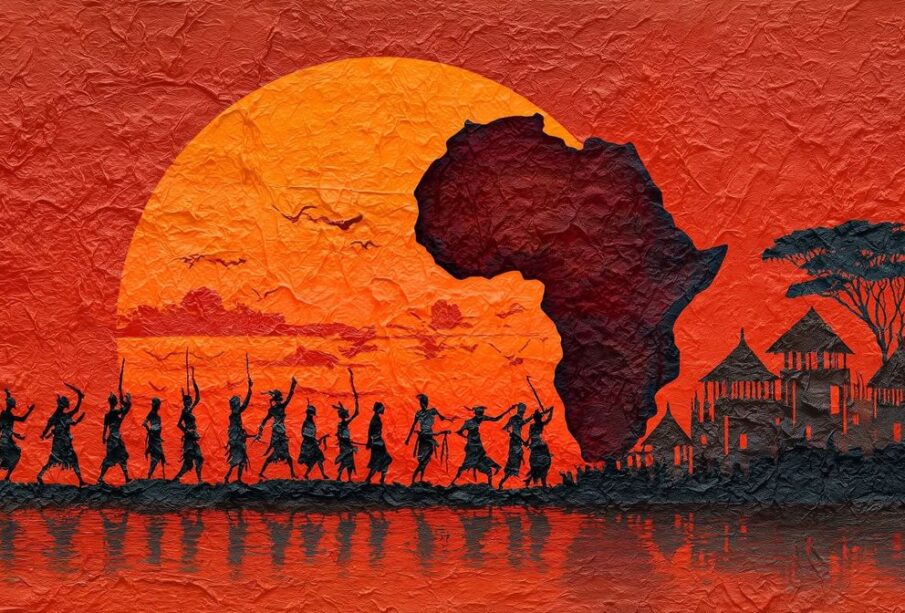
The Untold Story of Queen Nzinga
African Heroes: The Untold Story of Queen Nzinga
The Queen Who Refused to Surrender
Long before modern conversations about African independence, one African woman stood against a powerful European empire and refused to surrender her people’s freedom without a fight. Her name was Queen Nzinga, one of the most remarkable political and military leaders in African history.
Born in the late sixteenth century in what is now Angola, Nzinga lived during a period when Portuguese expansion threatened African kingdoms. European traders sought wealth, territory and enslaved people. Meanwhile, local rulers faced difficult choices about survival, diplomacy and resistance.
Yet Nzinga was no ordinary ruler. She negotiated with foreign officials, built political alliances, organised military resistance and fought to preserve her kingdom’s independence. Her story is not simply about courage. It is also about strategy, sacrifice and the difficult decisions leaders make when their people’s survival is at stake.
Although history has often overlooked African women who challenged colonial power, Queen Nzinga’s legacy deserves a place among the greatest stories of African resistance.
The Early Life of a Determined Leader
Queen Nzinga, also known as Njinga or Ana Nzinga, was born around 1583 into the royal family of Ndongo, a kingdom in present-day Angola. Her father, Ngola Kiluanji Kia Samba, ruled Ndongo during a period of growing Portuguese interference.
From an early age, Nzinga grew up in a political environment shaped by warfare, diplomacy and competition for power. Portuguese forces sought greater control over the region, while the Atlantic slave trade brought devastating consequences for African communities.
Nzinga’s upbringing prepared her for the challenges ahead. She learned about royal politics, military affairs and the importance of negotiating with rivals. These skills later helped her become a formidable leader.
However, her rise was far from easy. After her father’s death, her brother, Mbandi, became ruler. Political tensions and Portuguese aggression continued to weaken Ndongo. Nzinga eventually emerged as a central figure in the kingdom’s struggle for survival.
A Diplomat Who Could Challenge an Empire
One of the defining moments in Nzinga’s early political career came in 1622. Her brother sent her to negotiate with the Portuguese governor in Luanda.
The meeting required more than eloquent speech. Portugal possessed military resources and expanding influence, while Ndongo needed to protect its territory and people. Nzinga understood that successful diplomacy required confidence, preparation and an awareness of power.
According to a famous account of the meeting, the Portuguese governor offered her no chair. Nzinga responded by having an attendant kneel so she could sit at the same level as the governor. The story has become a powerful symbol of her refusal to accept an inferior position.
Whether every detail of this well-known account is accurate or not, it captures an essential feature of her reputation: Nzinga understood that dignity and political authority mattered.
During the negotiations, she sought to secure Portuguese withdrawal from Ndongo territory and improve her kingdom’s position. She also accepted baptism, taking the Christian name Ana de Sousa, as part of the diplomatic relationship.
Nevertheless, diplomacy did not bring lasting peace. Portuguese expansion continued, and Nzinga soon faced the challenge of protecting her people through other means.
From Princess to Queen: A Fight for Survival
Nzinga became ruler of Ndongo in 1624, following her brother’s death. Her claim to power faced opposition, and Portuguese military pressure made her position even more difficult.
Rather than depend on a single strategy, she adapted. When Portuguese forces and their allies threatened Ndongo, Nzinga moved her centre of power and strengthened relationships with neighbouring communities.
Eventually, she established a strong base in the Kingdom of Matamba, where she consolidated her authority. Matamba offered opportunities to build political influence, control trade routes and organise resistance.
Her ability to adapt was one of her greatest strengths. When one territory became difficult to defend, she sought another position from which to continue the struggle. When negotiations failed, she prepared for war. When military pressure increased, she looked for new allies.
Nzinga’s leadership demonstrated that resistance did not always mean fighting every battle directly. Sometimes, survival depended on retreat, negotiation, regrouping and returning when conditions improved.
The Warrior Queen Who Resisted Portuguese Rule
Nzinga’s struggle extended across decades. She organised military campaigns, negotiated alliances and worked to limit Portuguese control over her territories.
She also developed relationships with the Imbangala, formidable warrior groups whose military capabilities could strengthen her resistance. These alliances helped her challenge Portuguese forces and maintain political influence in the region.
Her conflict with Portugal was not a simple contest between two united sides. African politics involved competing kingdoms, shifting loyalties and disagreements over trade and power. Some local leaders cooperated with the Portuguese, while others resisted them. Nzinga had to navigate this complicated environment while pursuing her own kingdom’s survival.
Her story also contains difficult contradictions. Nzinga participated in political and military systems connected to the slave trade, and historians continue to examine the complexities of her actions within that world. Recognising her resistance does not require pretending that every decision she made was morally uncomplicated.
Instead, a fuller understanding of Nzinga acknowledges both her determination to resist Portuguese domination and the harsh realities of the political economy in which she operated.



Leave a reply




Africa’s Source for Breaking News | Entertainments | Health | Finance | Sports | Lifestyle and Business News.


