
Nigerian Party Jollof for 50 Guests: Recipe and Quantities
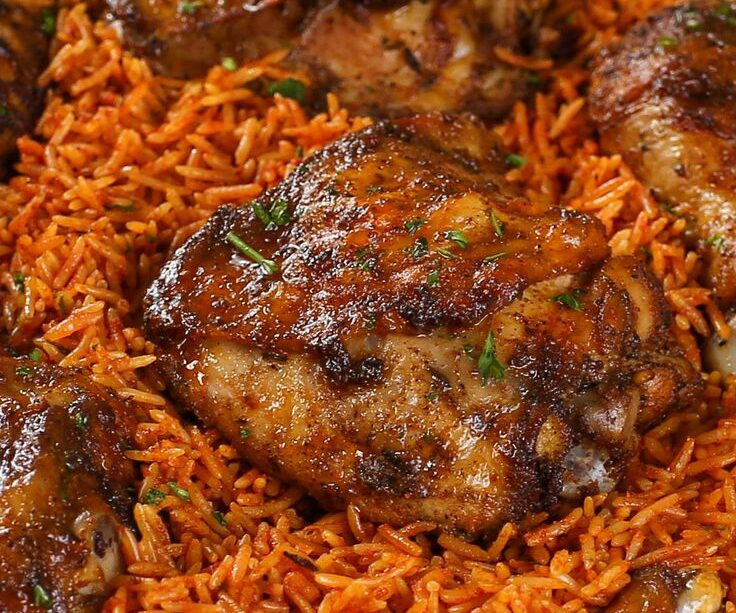
Nigerian Party Jollof for 50 Guests
To make Nigerian party jollof for 50 guests, plan the rice, pepper base, stock, seasoning and cooking equipment before you begin.
A practical starting quantity is approximately 10kg to 12.5kg of uncooked rice, depending on portion size, the number of other dishes and whether guests will receive takeaway packs.
The secret to preparing jollof for a crowd is to control the pepper mixture, measure the liquid carefully and cook in manageable batches. A large pot does not automatically produce good party rice. Preparation, heat management and food hygiene matter just as much.
WHAT YOU NEED: PARTY JOLLOF FOR 50 GUESTS
Ingredient or equipment Planning quantity Long-grain parboiled rice 10kg to 12.5kg Fresh tomatoes 4kg to 5kg Red bell peppers (tatashe) 2kg to 3kg Scotch bonnet peppers (ata rodo) 250g to 500g, adjust to taste Onions 2kg to 2.5kg Tomato paste 1kg to 1.5kg Vegetable oil 2.5 to 3.5 litres, adjust as needed Chicken or meat stock Approximately 8 to 12 litres, added gradually Seasoning cubes or powder According to brand instructions and taste Curry powder 100g to 150g Dried thyme 50g to 75g Bay leaves 10 to 15 Salt To taste Chicken or other protein Optional, plan separately Large cooking pots 2 or more, depending on capacity Food-safe storage containers As required Cooking spoons and clean utensils As required Planning note: These are catering estimates, not fixed measurements. Rice varieties absorb liquid differently, and the final quantity depends on serving size. If jollof is one of several dishes, 10kg may be sufficient for some groups. If it is the main meal with generous portions, plan closer to 12.5kg or more.
What makes Nigerian party jollof different?
Nigerian party jollof is known for its rich tomato and pepper base, well-seasoned grains and smoky flavour. Some cooks achieve the familiar party-style taste using a combination of careful frying, stock, controlled heat and a final period of steaming.
There is no single government-approved recipe for Nigerian jollof rice. Families and caterers use different methods. The recipe below is a practical catering method, while food hygiene and handling recommendations are supported by the National Agency for Food and Drug Administration and Control.
Step 1: Buy and prepare the ingredients
Start by purchasing your rice, tomatoes, peppers, onions, tomato paste, seasoning and other ingredients.
For an event, buy from sellers whose products you can inspect. Check the rice for stones or unwanted materials, and examine fresh vegetables for signs of spoilage.
Wash your hands, clean your work surfaces and use safe water for food preparation. Keep raw meat separate from ready-to-eat ingredients.
The NAFDAC Guidelines for Food Hygienic Practices provide guidance for food handlers and food preparation establishments.
Step 2: Wash and blend the pepper mixture
Wash the tomatoes, red bell peppers, scotch bonnet peppers and onions thoroughly.
Remove unwanted stems and damaged sections. Cut the ingredients into smaller pieces so that they blend evenly.
Blend the tomatoes, peppers and some onions until smooth. If your blender cannot handle the full quantity, work in batches.
Avoid adding too much water during blending. Excess liquid will increase the time needed to reduce the pepper mixture.
Cooking tip: If you want a less spicy result, reduce the scotch bonnet quantity. The red bell peppers and tomatoes should provide much of the flavour and colour.
Step 3: Prepare your stock
If you are serving chicken or beef with the jollof, cook the protein separately and reserve the stock.
Season the meat with onions and your preferred spices. Cook until properly done, then strain the stock to remove unwanted particles.
Taste the stock before adding it to the rice. It should be flavourful without being excessively salty.
Keep cooked meat and stock at safe temperatures. Do not leave cooked food sitting uncovered at room temperature for extended periods.
The NAFDAC food hygiene guidance explains the importance of preventing contamination and maintaining appropriate food handling conditions.
Step 4: Reduce the blended pepper mixture
Pour the blended pepper mixture into a large pot and cook it over medium heat.
Allow excess water to evaporate. Stir periodically so the mixture does not stick to the bottom.
Continue cooking until the mixture thickens and reduces in volume. The aim is to remove excess moisture before combining it with the oil and tomato paste.
This step is particularly useful when preparing a large quantity because watery pepper sauce can make the rice difficult to control.
Step 5: Fry the tomato paste and pepper base
Heat the vegetable oil in a large cooking pot. Add chopped onions and stir until fragrant.
Add the tomato paste and fry it for several minutes, stirring frequently to prevent burning.
Next, add the reduced pepper mixture. Stir thoroughly so the tomato paste and blended vegetables combine.
Season with curry powder, thyme, bay leaves and your preferred seasoning. Allow the sauce to cook until the raw tomato taste reduces and the oil begins to separate slightly from the mixture.
Do not allow the sauce to burn. A scorched base can affect the flavour of the entire batch.
Step 6: Add the stock and adjust the seasoning
Pour in some of the prepared stock. Stir and allow the sauce to simmer.
Taste before adding more seasoning or salt. Remember that stock and seasoning cubes may already contain salt.
Add the liquid gradually. You should have enough to cook the rice, but too much stock can leave the final dish wet.
For a large batch, do not pour all the estimated liquid into the pot at once. Rice varieties differ in their absorption, so you may need to adjust as cooking progresses.
Step 7: Wash and add the rice
Measure the rice and remove any unwanted particles.
Rinse it according to the instructions for the rice variety you have purchased. Drain the water properly before adding the rice to the sauce.
Add the rice in manageable batches. Stir so that the grains are coated with the pepper base.
If you are using more than one pot, divide the sauce and rice carefully so that the seasoning is distributed evenly.
Step 8: Cover and cook on controlled heat
Cover the pot tightly. Cook on low to medium heat, checking periodically to prevent the bottom from burning.
If the rice begins to dry before it is cooked, add a small amount of hot stock or water. Do not pour in a large quantity at once.
Use a clean spoon to check the texture. The grains should become tender without turning into a soft paste.
For a large event, cooking in two or more batches can be easier to manage than forcing the entire quantity into one pot.
Step 9: Create the party-style smoky flavour
Once the rice is almost cooked, allow the bottom layer to develop a light toasted flavour.
This stage requires attention. A small amount of controlled browning can add the familiar smoky note associated with party jollof. Burnt rice, on the other hand, will make the entire dish taste unpleasant.
Lower the heat and monitor the pot. Stir carefully if the bottom is catching too aggressively.
Allow the rice to finish steaming until the grains are cooked through.
Step 10: Rest, taste and serve
Turn off the heat and allow the rice to rest briefly before serving.
Remove the bay leaves. Taste a small portion and check the seasoning and texture.
If you are serving guests in batches, keep the rice covered and hold it at a safe serving temperature. Use clean serving spoons and food-safe containers.
Do not leave cooked rice at room temperature for long periods. Rice can support the growth of harmful bacteria if it is cooled and stored incorrectly. Follow recognised food-safety procedures for holding, cooling and reheating food.
How to Organise Cooking for 50 Guests
Cooking for 50 people involves more than preparing the rice. Organise the work so that the food is ready at the right time.
| Task | Suggested arrangement |
|---|---|
| Shopping | Buy ingredients a day or two before the event |
| Vegetable preparation | Wash and blend before the main cooking period |
| Stock and protein | Cook and prepare separately |
| Pepper base | Reduce and season before adding rice |
| Rice cooking | Use manageable batches |
| Serving | Prepare clean, covered food containers |
| Food holding | Maintain safe hot holding and avoid leaving rice exposed |
Assign someone to manage the ingredients, another person to monitor the cooking pots and someone else to organise serving. This reduces confusion when the event becomes busy.
How Much Rice Should You Cook for 50 People?
The quantity depends on the occasion and the menu. If guests will receive jollof alongside fried rice, swallow, moi moi or other dishes, a smaller portion per person may be sufficient.
For a menu where jollof is the main meal, use a more generous estimate. If you expect takeaway packs or additional guests, plan extra rice rather than relying on the exact attendance figure.
A good approach is to estimate portions first, then discuss the quantity with your caterer or cooking team. The rice quantity should match the size of the serving spoon and the type of plate or takeaway pack being used.
Where Can You Buy Food in Bulk for a Large Event?
Buying ingredients for 50 guests can involve several market trips. You may need rice, tomatoes, pepper, onions, cooking oil, chicken and other food items in large quantities.
For households, groups and event organisers who want to share bulk food purchases, Easer Lifestyle Africa’s Bulk Food Sharing service is a relevant option to explore. Confirm current arrangements, available food items and booking details directly with the service.
For more practical Nigerian food and culture guides, visit ANTtention Media Africa.
Frequently asked questions
1. How many cups of rice do I need for 50 guests?
The quantity depends on the cup size and the portion served. For planning, approximately 10kg to 12.5kg of uncooked rice is a useful starting range, but confirm the serving size and menu before buying.
2. How many tomatoes do I need for party jollof for 50 people?
A practical starting estimate is 4kg to 5kg of fresh tomatoes, alongside red bell peppers and tomato paste. The final quantity depends on the preferred sauce consistency and the size of the tomatoes.
3. Can I cook jollof rice for 50 guests in one pot?
You can use one sufficiently large commercial pot, but multiple pots may be easier to manage. Dividing the cooking into batches can help you control heat, liquid and seasoning.
4. How do I make party jollof smoky?
A light toasted layer at the bottom of the pot can create a smoky flavour. Control the heat carefully because burnt rice can ruin the entire batch.
5. How do I keep jollof rice safe after cooking?
Use clean serving utensils and food-safe containers. Keep the rice at a safe hot holding temperature, or cool and refrigerate it promptly using appropriate food-safety procedures. Reheat thoroughly before serving again.
Prepare Your Shopping List Before Cooking
A successful party meal begins before the cooking pots are placed on the fire. Confirm your guest count, serving size and full menu before buying ingredients. Then organise the cooking into manageable tasks.
Planning bulk food purchases for an event? Explore Easer’s Bulk Food Sharing service and confirm the current booking arrangements.
For more Nigerian recipes, food traditions and practical cooking guides, explore ANTtention Media Africa.
Sources
- NAFDAC Guidelines for Food Hygienic Practices
- NAFDAC food safety and food guidance
- NAFDAC Food Hygiene Regulations
Recipe note: The quantities and cooking sequence in this article are an editorial catering guide, not a government-issued recipe. The NAFDAC sources support food hygiene and handling practices, not the specific ingredient measurements or flavour method.



Leave a reply






Africa’s Source for Breaking News | Entertainments | Health | Finance | Sports | Lifestyle and Business News.


