Traditional African Soups and Their Origins: A Journey Through Africa’s Rich Culinary Heritage
Africa is home to one of the world’s richest culinary traditions, and nowhere is this diversity more evident than in its soups. Across the continent, soups are far more than meals, they are symbols of identity, family, hospitality, and history. Each region has developed distinctive recipes based on locally available ingredients, climate, and cultural practices. From the thick, flavorful soups of West Africa to the aromatic broths of East Africa, traditional African soups tell stories that have been passed down through generations.
Whether served during celebrations, family gatherings, or everyday meals, these soups continue to preserve Africa’s cultural heritage while adapting to modern tastes.
Why Soups Hold a Special Place in African Cuisine
Unlike many Western soups that are often served as appetizers, African soups are typically hearty main dishes. They are commonly enjoyed with staple foods such as:
Fufu
Pounded yam
Eba (garri)
Ugali
Banku
Injera
Rice
Millet or sorghum meals
These soups are packed with vegetables, proteins, spices, herbs, and healthy fats, making them nutritious and filling.
1. Egusi Soup – Nigeria
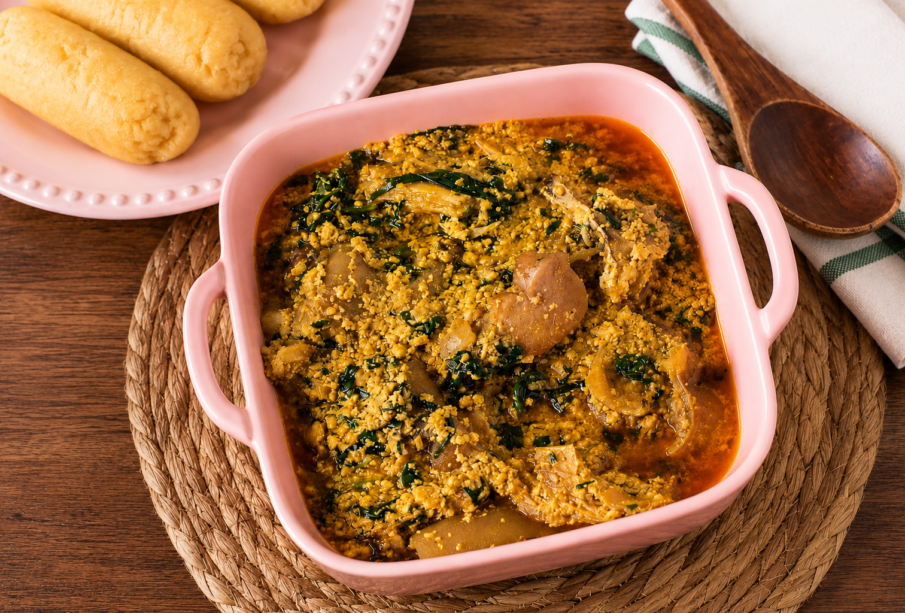
Egusi soup is one of West Africa’s most recognizable dishes. It is made from ground melon seeds, leafy vegetables, palm oil, and various meats or fish.
Origin
Egusi has been cultivated in West Africa for centuries. The soup is especially popular among the Yoruba, Igbo, Edo, Urhobo, Efik, and many other Nigerian ethnic groups, although variations exist throughout Ghana, Cameroon, and Sierra Leone.
Traditional Ingredients
Ground melon seeds
Palm oil
Spinach or bitter leaf
Locust beans (optional)
Beef
Goat meat
Stockfish
Smoked fish
Crayfish
Pepper
Seasoning
Cultural Importance
Egusi soup is often served during weddings, naming ceremonies, festivals, and Sunday family meals. Different communities have their own cooking techniques and preferred ingredients.
2. Groundnut Soup – Ghana
Groundnut soup, also known as peanut soup, is among Ghana’s national treasures.
Origin
The soup originated in West Africa following the widespread cultivation of peanuts, which became an important crop due to their adaptability to the region’s climate.
Traditional Ingredients
Ground peanuts
Tomatoes
Onion
Ginger
Garlic
Chicken or goat meat
Chili pepper
How It’s Served
Groundnut soup is commonly eaten with:
Fufu
Rice balls (Omo Tuo)
Banku
Its creamy texture and nutty flavor have made it popular beyond Ghana, including Liberia and parts of Nigeria.
3. Banga Soup – Nigeria
Banga soup is a rich palm fruit soup famous in southern Nigeria.
Origin
It originated among the Urhobo and Isoko people of the Niger Delta before spreading to neighboring communities.
Key Ingredients
Palm fruit extract
Fresh fish
Beef
Dried fish
Periwinkles
Traditional spices
Scent leaves
Cultural Significance
Palm trees have long been central to life in the Niger Delta, providing food, oil, wine, and building materials. Banga soup reflects this deep connection to the environment.
4. Okra Soup – West Africa
Okra soup is popular across Nigeria, Ghana, Cameroon, and other parts of West Africa.
Historical Background
Okra is believed to have originated in Africa before spreading to Asia, Europe, and the Americas through ancient trade routes.
Main Ingredients
Fresh okra
Palm oil
Fish
Beef
Crayfish
Pepper
Leafy vegetables
Why It’s Loved
Its characteristic slimy texture makes it perfect for swallowing foods like fufu, making eating easier and enjoyable.
5. Light Soup – Ghana
Despite its name, Light Soup is full of flavor.
Origin
The Akan people of Ghana have prepared versions of this soup for generations.
Ingredients
Tomatoes
Pepper
Onion
Ginger
Garlic
Fish or meat
Fresh herbs
Unlike palm oil-based soups, Light Soup uses little or no oil, making it one of the healthier traditional options.
6. Ewedu Soup – Nigeria
Ewedu soup is synonymous with Yoruba cuisine.
Origin
It has been prepared in southwestern Nigeria for centuries using jute leaves.
Ingredients
Fresh jute leaves
Potash or local tenderizer
Locust beans
Salt
Traditional Pairing
Ewedu is usually served with:
Amala
Gbegiri (bean soup)
Stew
This famous combination is a staple in Yoruba households.
7. Pepper Soup – West and Central Africa
Pepper soup exists in numerous forms across Africa.
Origin
Communities throughout Nigeria, Cameroon, and Ghana developed pepper soup recipes using local medicinal herbs and spices.
Popular Ingredients
Goat meat
Catfish
Chicken
Assorted meats
Pepper soup spice blend
Traditional Uses
Pepper soup is often prepared:
After childbirth
During cold weather
At celebrations
As comfort food
Many believe its warming spices promote wellness and recovery.
8. Mulukhiyah (Molokhia) – North Africa
Mulukhiyah is one of North Africa’s oldest soups.
Origin
It has roots in ancient Egypt and remains popular across Egypt, Sudan, and neighboring countries.
Ingredients
Molokhia leaves
Garlic
Coriander
Chicken or rabbit
Stock
Its silky texture and earthy flavor have made it a beloved family dish for centuries.
9. Harira – Morocco
Harira is among Morocco’s most famous traditional soups.
Historical Roots
Dating back hundreds of years, Harira reflects the blend of Arab, Amazigh (Berber), and Andalusian culinary influences that shaped Moroccan cuisine.
Ingredients
Lentils
Chickpeas
Tomatoes
Lamb
Celery
Parsley
Cinnamon
Ginger
Cultural Role
Harira is traditionally enjoyed to break the daily fast during Ramadan and is also served at family gatherings and special occasions.
10. Miyan Kuka – Northern Nigeria
Miyan Kuka is a staple among many communities in northern Nigeria.
Origin
The soup is made from powdered baobab leaves, a tree often called the “Tree of Life” because of its many nutritional and medicinal uses.
Ingredients
Baobab leaf powder
Beef
Smoked fish
Dried pepper
Traditional seasonings
Traditional Serving
It is usually eaten with:
Tuwo Shinkafa
Tuwo Masara
Millet swallow
Its earthy flavor and thick consistency make it a cherished regional delicacy.
Common Ingredients Found in African Soups
Across the continent, many soups share ingredients that contribute both flavor and nutrition.
Leafy Vegetables
Spinach
Bitter leaf
Pumpkin leaves
Jute leaves
Baobab leaves
Healthy Oils
Palm oil
Groundnut oil
Sesame oil
Proteins
Beef
Goat meat
Chicken
Fish
Seafood
Beans
Natural Seasonings
Ginger
Garlic
Scotch bonnet peppers
Locust beans
Fresh herbs
Indigenous spice blends
These ingredients reflect Africa’s biodiversity and the resourcefulness of its people.
The Cultural Significance of African Soups
Traditional soups often carry meanings beyond nutrition. They are prepared to celebrate life’s milestones, welcome guests, comfort the sick, and strengthen family bonds. Recipes are frequently handed down from parents and grandparents, preserving culinary knowledge that connects generations.
Many soups are also tied to agricultural cycles, seasonal harvests, and local ecosystems, showcasing how communities have long relied on indigenous crops and sustainable food practices.
Health Benefits of Traditional African Soups
Many African soups are naturally rich in nutrients because they combine fresh vegetables, legumes, seeds, herbs, and lean proteins. Regular consumption can provide:
High-quality protein
Dietary fiber
Vitamins A, C, and E
Iron and calcium
Healthy fats
Antioxidants
When prepared with fresh ingredients and moderate amounts of oil and salt, these soups support balanced diets and overall well-being.
Preserving Africa’s Culinary Heritage
As urbanization and globalization influence eating habits, there is growing interest in preserving traditional African recipes. Restaurants, food festivals, culinary schools, and digital platforms are helping introduce younger generations and international audiences to authentic African soups.
Documenting family recipes, promoting indigenous ingredients, and supporting local farmers all contribute to safeguarding this rich culinary legacy for the future.
Conclusion
Traditional African soups are much more than flavorful dishes, they are living expressions of history, geography, culture, and community. From Nigeria’s hearty Egusi and Banga soups to Ghana’s Groundnut Soup, Morocco’s Harira, and Egypt’s Mulukhiyah, each recipe reflects the ingenuity and traditions of the people who created it.
As African cuisine gains global recognition, these soups continue to remind the world that food is a powerful storyteller. Every bowl carries generations of wisdom, local ingredients, and cultural pride, making traditional African soups an enduring symbol of the continent’s rich and diverse heritage.