
Forgotten Battles That Shaped African History
When people think about famous battles in world history, names like Waterloo, Hastings, or Gettysburg often come to mind.
Yet Africa has witnessed countless decisive conflicts that changed kingdoms, protected cultures, and altered the course of history. Unfortunately, many of these battles remain largely unknown outside academic circles. These forgotten battles were more than military encounters. They determined the rise and fall of empires, influenced trade routes, delayed colonial expansion, inspired future generations, and reshaped political boundaries across the continent.
This article explores some of Africa’s most significant yet overlooked battles and explains why they continue to matter today.
Why Many African Battles Were Forgotten
Several factors contributed to the limited global recognition of African military history.
Colonial Narratives
During the colonial era, historical accounts often focused on European victories while minimizing African resistance and achievements.
Oral Traditions
Many African societies preserved history through storytelling instead of written records. While rich and detailed, these oral traditions were often overlooked by early Western historians.
Limited Historical Documentation
Wars, political instability, and the destruction of historical records meant that valuable information about many battles disappeared over time. Today, historians, archaeologists, and African scholars are helping restore these important chapters of history.
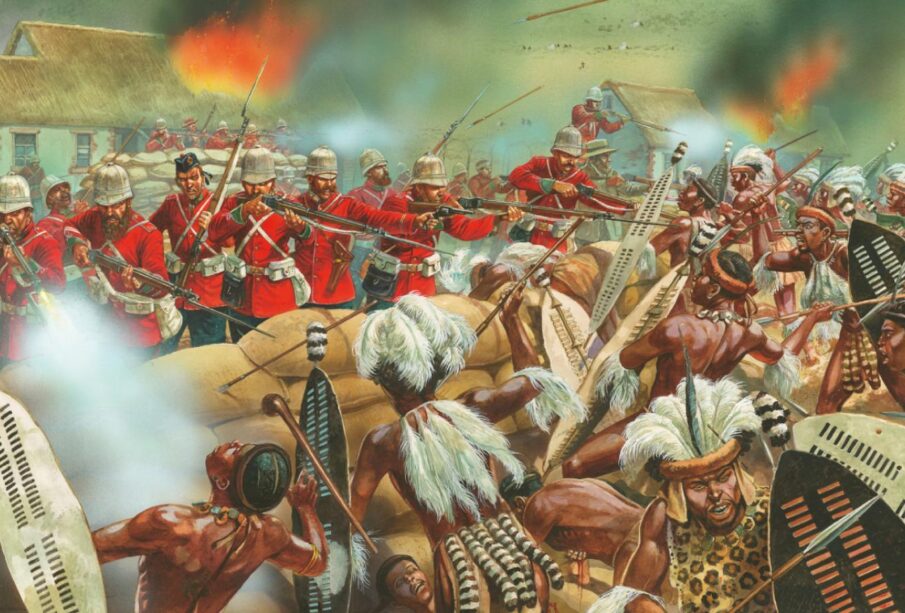
The Battle of Isandlwana (1879)

Thousands of Zulu warriors successfully defeated a well-equipped British force using disciplined formations, speed, and intimate knowledge of the terrain.
Why It Mattered
- Demonstrated African military organization and tactical brilliance.
- Shocked the British Empire.
- Forced Britain to rethink its colonial military strategy.
Although Britain eventually won the war, Isandlwana remains one of the greatest victories ever achieved by an indigenous African army against a European imperial force.
The Battle of Adwa (1896)
Why It Changed History
- Preserved Ethiopia’s independence.
- Inspired anti-colonial movements throughout Africa.
- Proved that European armies were not invincible.
Adwa became a symbol of African unity, resistance, and national pride that continues to inspire people around the world.
The Battle of Kirina (1235)
Long before colonialism, West Africa witnessed a battle that changed the region forever.
The Battle of Kirina marked the rise of the Mali Empire under the leadership of Sundiata Keita. After defeating the Sosso Kingdom, Sundiata established one of Africa’s richest and most influential empires.
Lasting Impact
- Expanded trans-Saharan trade.
- Encouraged education and scholarship.
- Created political stability across much of West Africa.
- Laid the foundation for the future prosperity of cities like Timbuktu.
The Battle of Mbwila (1665)
The Kingdom of Kongo once stood as one of Central Africa’s most powerful states.
The Battle of Mbwila saw Portuguese forces confront the Kongo Kingdom in present-day Angola. Although the Portuguese emerged victorious, the battle weakened Kongo significantly.
Historical Significance
- Triggered political instability.
- Increased Portuguese influence.
- Expanded the Atlantic slave trade.
- Altered Central African politics for generations.
The Battle of Dogali (1887)
Few people remember that Italy once suffered a major defeat before later invading Ethiopia. At Dogali, Ethiopian and allied forces defeated Italian troops, demonstrating the determination of local resistance.
The defeat intensified Italy’s desire for revenge, eventually contributing to the later invasion that ended at Adwa.
The Battle of Omdurman (1898)

While remembered for Britain’s technological superiority, it also represented the end of one of Africa’s largest independent Islamic states.
Why It Matters
- Changed the political future of Sudan.
- Expanded British influence along the Nile.
- Demonstrated how industrial weapons transformed warfare.
The Battle of Muret? No—The Battle of Tondibi (1591)
One frequently overlooked conflict is the Battle of Tondibi.
The Moroccan army defeated the Songhai Empire despite being heavily outnumbered. Their use of firearms gave them a decisive advantage.
Consequences
- Collapse of the Songhai Empire.
- Disruption of West African trade.
- Political fragmentation.
- Decline of one of Africa’s greatest empires.
The battle illustrates how technological change can reshape entire civilizations.
The Battle of Ulundi (1879)
After the Zulu victory at Isandlwana, Britain reorganized its forces. The Battle of Ulundi ended the Anglo-Zulu War with a British victory.
Although it marked the fall of the independent Zulu Kingdom, the courage displayed by Zulu warriors continues to be celebrated today.
The Battle of Cosmas (1868)
During the British expedition against Emperor Tewodros II of Ethiopia, several engagements, including the final confrontation at Magdala, reshaped Ethiopian politics. The campaign highlighted the strategic importance of Ethiopia in international diplomacy during the nineteenth century.
The Maji Maji Resistance (1905–1907)
Although remembered primarily as a rebellion rather than a single battle, the Maji Maji resistance in present-day Tanzania consisted of numerous fierce engagements against German colonial forces.
Importance
- United many ethnic communities.
- Became one of Africa’s largest anti-colonial uprisings.
- Inspired future independence movements across East Africa.
Common Themes Across These Battles
Despite occurring centuries apart, these conflicts reveal several recurring themes.
Unity Created Strength
Many victories occurred when different ethnic groups united against a common threat.
Leadership Was Decisive
Figures such as Sundiata Keita and Menelik II demonstrated how visionary leadership could transform fragmented societies into powerful states.
Technology Changed Warfare
From firearms at Tondibi to industrial weapons at Omdurman, technological innovation often determined battlefield outcomes.
Geography Was a Powerful Weapon
African commanders frequently used mountains, forests, rivers, and open plains to their strategic advantage.
Why These Battles Still Matter Today
Understanding these battles helps correct the misconception that African history consisted solely of colonial conquest. Long before European intervention, African kingdoms built sophisticated armies, developed advanced military strategies, and maintained complex political systems.
These conflicts also reveal remarkable stories of resilience, innovation, diplomacy, and leadership. They remind modern Africans of a rich heritage built by civilizations that defended their sovereignty and shaped regional history.
For students, historians, and anyone interested in world history, these battles provide valuable insights into the forces that influenced today’s African nations.
Lessons Modern Africa Can Learn
The forgotten battles of Africa offer lessons that remain relevant today:
- Unity often determines success during periods of crisis.
- Strong leadership can overcome significant challenges.
- Innovation and adaptability remain essential for national development.
- Preserving historical knowledge strengthens cultural identity.
- Understanding the past helps shape better decisions for the future.
Conclusion
Africa’s history is filled with remarkable battles that deserve far greater recognition. From the victory at Adwa to the rise of the Mali Empire at Kirina, and from the determination of the Zulu warriors at Isandlwana to the resistance of the Maji Maji fighters, these conflicts shaped kingdoms, inspired freedom movements, and influenced the course of global history.
Rediscovering these forgotten battles is not merely about remembering wars, it is about honoring the resilience, courage, and ingenuity of the people who fought to protect their lands and define their futures. By bringing these stories into the spotlight, we gain a richer, more balanced understanding of Africa’s extraordinary historical legacy.
Frequently Asked Questions (FAQs)
1. What is the most important forgotten battle in African history?
Many historians consider the Battle of Adwa and the Battle of Kirina among the most influential because of their lasting impact on African independence and empire-building.
2. Why are African battles less well known than European battles?
Colonial-era historical narratives, reliance on oral traditions, and the limited preservation of written records contributed to many African battles receiving less global attention.
3. Which African kingdom achieved the greatest military victory against a European power?
The Ethiopian victory at the Battle of Adwa in 1896 is widely regarded as one of the greatest African military victories over a European colonial army.
4. Did African kingdoms have organized armies?
Yes. Many African states maintained highly disciplined, well-trained armies with sophisticated command structures, intelligence networks, and military strategies.
5. Why should people study these forgotten battles today?
Studying these battles provides a fuller understanding of African history, highlights indigenous leadership and innovation, and challenges outdated narratives that overlook the continent’s historical achievements.




Leave a reply






Africa’s Source for Breaking News | Entertainments | Health | Finance | Sports | Lifestyle and Business News.


