
Transforming the Way the World Shops
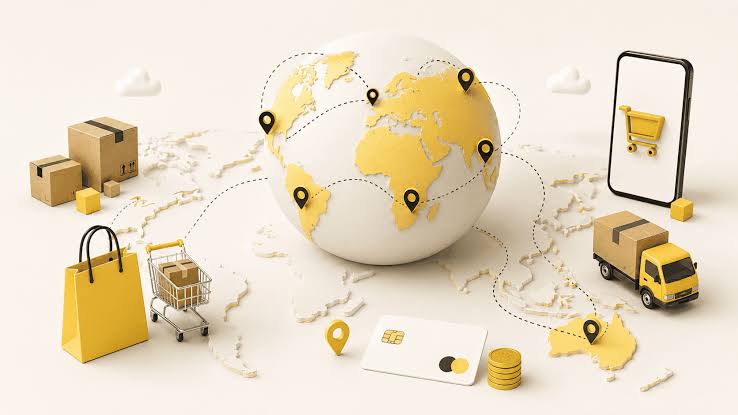
Transforming the Way the World Shops
Global E-Commerce: Transforming the Way the World Shops
The rise of e-commerce has fundamentally changed how people buy and sell goods and services around the world. What began as a niche method of online shopping has evolved into a global industry worth trillions of dollars, connecting businesses and consumers across borders with unprecedented ease. Today, e-commerce is one of the most powerful drivers of economic growth, innovation, and digital transformation.
Understanding E-Commerce
E-commerce, or electronic commerce, refers to the buying and selling of products and services through the internet. Transactions can occur between businesses and consumers (B2C), businesses and businesses (B2B), consumers and consumers (C2C), or even consumers and businesses (C2B).
Online marketplaces, company websites, mobile applications, and social media platforms have all become important channels for e-commerce activities.
The Growth of Global E-Commerce
Several factors have contributed to the rapid expansion of e-commerce worldwide:
Increased Internet Access
The growing availability of internet services has connected billions of people globally. As more individuals gain access to smartphones and affordable data services, online shopping becomes accessible to larger populations.
Mobile Technology
Mobile devices have revolutionized e-commerce. Consumers can browse products, compare prices, make purchases, and track deliveries directly from their smartphones, making shopping more convenient than ever.
Digital Payment Systems
Secure payment technologies have strengthened consumer confidence in online transactions. Digital wallets, mobile banking, credit cards, and alternative payment methods have simplified the purchasing process.
Global Logistics Networks
Advances in transportation and supply chain management have enabled businesses to ship products efficiently across countries and continents. Improved logistics systems have reduced delivery times and expanded market reach.
Benefits of Global E-Commerce
Expanded Market Access
Businesses are no longer limited by geographic boundaries. Even small enterprises can reach customers in multiple countries through online platforms.
Greater Consumer Choice
Consumers benefit from access to a wider range of products and services from around the world. They can easily compare prices, read reviews, and make informed purchasing decisions.
Lower Operating Costs
Online businesses often require less physical infrastructure than traditional retail stores. This can reduce overhead costs and allow companies to offer competitive pricing.
Business Scalability
E-commerce enables businesses to scale more rapidly by leveraging digital marketing, automation tools, and online customer service systems.
Key Trends Shaping Global E-Commerce
Mobile Commerce
Mobile commerce, or m-commerce, continues to grow as consumers increasingly shop using smartphones and tablets. Businesses are investing heavily in mobile-friendly websites and applications.
Artificial Intelligence
Artificial intelligence is enhancing customer experiences through personalized recommendations, chatbots, predictive analytics, and automated customer support.
Social Commerce
Social media platforms are becoming major sales channels. Consumers can discover, review, and purchase products directly through social networking applications.
Cross-Border Shopping
Consumers are increasingly purchasing products from international sellers. This trend creates opportunities for businesses to expand into foreign markets and reach global audiences.
Sustainable E-Commerce
Environmental awareness is influencing purchasing decisions. Many consumers now prefer businesses that use sustainable packaging, ethical sourcing practices, and environmentally friendly delivery options.
Challenges Facing Global E-Commerce
Despite its advantages, global e-commerce faces several challenges:
Cybersecurity Risks
Protecting customer data and preventing online fraud remain major concerns for businesses and consumers.
Logistics Complexity
Managing international shipping, customs regulations, and delivery timelines can be difficult, particularly for smaller businesses.
Regulatory Differences
Different countries have varying regulations regarding taxes, consumer protection, privacy, and digital commerce, requiring businesses to adapt accordingly.
Intense Competition
The global nature of e-commerce increases competition, making it essential for businesses to differentiate themselves through quality, service, and innovation.
Opportunities for Emerging Markets
Developing regions, particularly in Africa, Asia, and Latin America, are becoming important contributors to global e-commerce growth. Rising internet penetration, expanding mobile payment systems, and a growing middle class are creating new opportunities for entrepreneurs and businesses.
Many local enterprises are using digital platforms to reach customers beyond their immediate communities, helping drive economic development and job creation.
The Future of Global E-Commerce
The future of e-commerce will likely be shaped by continued technological innovation. Advances in artificial intelligence, automation, virtual reality, augmented reality, and faster payment systems will further enhance online shopping experiences.
Businesses that embrace digital transformation, prioritize customer satisfaction, and adapt to changing consumer expectations will be well-positioned to succeed in the evolving global marketplace.
Conclusion
Global e-commerce has transformed the retail landscape, creating new opportunities for businesses and consumers alike. By breaking down geographic barriers, expanding market access, and leveraging digital technologies, e-commerce continues to reshape the global economy. As internet connectivity and digital innovation advance, the influence of e-commerce will only continue to grow, making it an essential component of modern commerce and economic development.




Leave a reply




Africa’s Source for Breaking News | Entertainments | Health | Finance | Sports | Lifestyle and Business News.


