Travel Experiences That Support Conservation

Travel Experiences That Support Conservation
Travel can do more than provide relaxation and memorable experiences.
What Is Conservation-Focused Travel?
Conservation-focused travel involves visiting natural and cultural destinations in ways that help protect the environment and support the people who live there. Instead of simply consuming a destination, travelers become part of an economic system that can provide resources for conservation.
This approach may include:
- Visiting protected areas and national parks
- Staying at environmentally responsible lodges
- Supporting community-owned tourism businesses
- Taking guided wildlife tours
- Participating in conservation activities
- Purchasing locally made crafts
- Following wildlife and environmental guidelines
The goal is to ensure that tourism contributes positively to the destination rather than placing unnecessary pressure on it.
Wildlife Safaris That Support Protected Areas
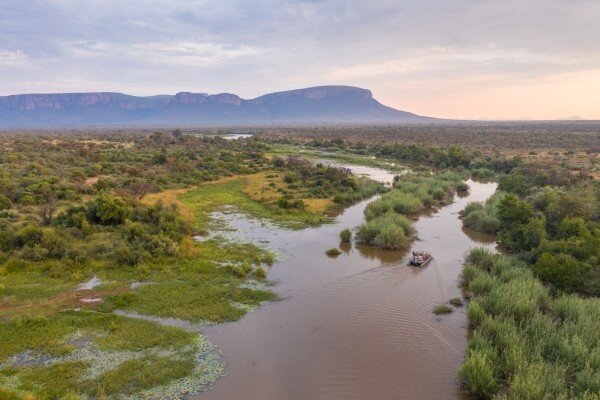
Wildlife tourism can provide important financial support for protected areas. National parks and game reserves require funding for activities such as habitat management, infrastructure maintenance, wildlife monitoring, and ranger operations.
Travelers can contribute by choosing reputable safari operators and following park regulations. Simple actions, such as maintaining a safe distance from animals and avoiding littering, also help reduce the environmental impact of tourism.
Destinations such as Kenya’s Maasai Mara, Tanzania’s Serengeti, South Africa’s Kruger National Park, and Botswana’s Okavango region demonstrate how wildlife tourism can form an important part of conservation economies.
Community-Based Tourism
Conservation becomes more sustainable when local communities can benefit from protecting natural resources.
Community-based tourism gives residents opportunities to earn income through accommodation, guiding, cultural experiences, transportation, food services, and handicrafts. These opportunities can create an economic reason to preserve forests, wildlife habitats, and cultural landscapes.
For travelers, choosing locally owned businesses can make the experience more meaningful while helping tourism revenue remain within the community.
Visiting Marine Conservation Areas
Africa’s coastline offers opportunities for travelers to combine beach holidays with marine conservation.
Visitors can explore coral reefs, mangrove ecosystems, marine parks, and coastal communities while learning about the importance of protecting oceans. Snorkeling and diving operators can also contribute to responsible tourism by educating visitors about coral reefs and marine wildlife.
Travelers should avoid touching coral, disturbing marine animals, or purchasing products made from threatened marine species.
Supporting Forest and Gorilla Conservation
Forest tourism can connect visitors with efforts to protect some of Africa’s most valuable ecosystems.
Gorilla trekking in countries such as Rwanda and Uganda provides an example of tourism closely connected to wildlife conservation. Visitors pay for permits and guided experiences while following strict rules designed to reduce disturbance to gorillas and their habitat.
Travelers can strengthen the benefits by choosing licensed operators and respecting health, distance, photography, and visitor-number requirements.
Conservation Through Cultural Tourism
Conservation does not only involve animals and forests. Cultural heritage also deserves protection.
Travelers can support traditional communities by visiting cultural centers, attending locally organized events, purchasing authentic crafts, and hiring local guides. These activities can help preserve traditional knowledge, artistic practices, architecture, music, and storytelling.
Responsible cultural tourism should allow communities to decide how their traditions are presented and shared.
Choosing Eco-Friendly Accommodation
Where travelers stay can influence the environmental footprint of a trip.
Eco-conscious hotels, camps, and lodges may use renewable energy, reduce water consumption, manage waste carefully, or support nearby conservation projects. Some also purchase food and services from local producers.
Before booking, travelers can research how an accommodation manages waste, water, energy, wildlife interactions, and community relationships.
Responsible Travel Makes a Difference
Travelers do not need to participate in an expensive conservation expedition to contribute. Everyday decisions can have an impact.
A visitor can choose a locally owned restaurant instead of a large international chain. They can carry reusable items, avoid single-use plastics, respect wildlife, and purchase products from responsible local businesses.
Travelers can also ask tour operators where their money goes and whether local communities benefit from tourism.
Conservation and the Future of African Tourism
Africa’s natural landscapes and cultural heritage are major tourism assets. Protecting them requires cooperation between governments, conservation organizations, businesses, communities, and travelers.
Responsible tourism can help create that connection. When visitors spend money with businesses and organizations that support conservation, tourism can become part of the solution.
The best travel experiences are often those that leave travelers with lasting memories while also helping protect the places they visited. By making thoughtful choices, tourists can enjoy Africa’s remarkable landscapes and cultures while contributing to their long-term preservation.
The Evolution of African Storytelling in Film
September 20, 2026Sports Academies Producing Future Stars
September 20, 2026Traditional African Wedding Foods and Their Meanings
September 20, 2026
Leave a reply Cancel reply
More News
-
Building Confidence Through Daily Routines
April 20, 2026 -
Africa’s Most Promising Technology Corridors
September 20, 2026
Latest Posts
-
The Evolution of African Storytelling in Film
September 20, 2026 -
Sports Academies Producing Future Stars
September 20, 2026 -
Traditional African Wedding Foods and Their Meanings
September 20, 2026 -
Africa’s Most Promising Technology Corridors
September 20, 2026 -
Travel Experiences That Support Conservation
September 19, 2026
Weekly Podcast
Travel News
-
Travel Experiences That Support Conservation
September 19, 2026 -
Indigenous African Fruits With Global Potential
September 19, 2026 -
Historic African Cities That Shaped Civilization
September 18, 2026
Personal Development
-
How to Build a Growth Mindset
September 18, 2026 -
How to Stay Motivated During Challenges
September 14, 2026 -
Building Better Work-Life Balance
September 12, 2026