The Business of Renewable Energy Startups

The Business of Renewable Energy Startups
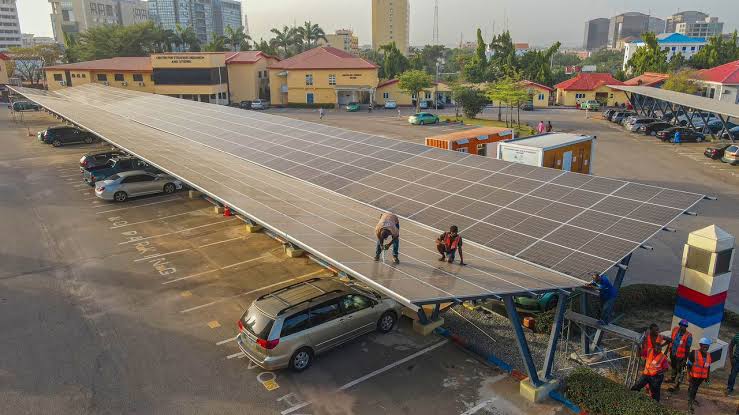
Renewable energy is becoming an increasingly important part of Africa’s business landscape.
For many African entrepreneurs, renewable energy is not simply an environmental opportunity. It is also a business opportunity that can address practical problems faced by households, farms, schools, healthcare facilities, and businesses.
Growing Demand for Clean Energy
Africa has significant renewable energy potential, particularly in solar, wind, hydro, and geothermal resources. However, access to reliable and affordable electricity remains a challenge in many communities.
This gap creates opportunities for startups that can provide alternative energy solutions. A company may, for example, install solar panels for a small business that cannot depend entirely on the traditional electricity grid. Another startup might provide battery-powered systems for households or develop mini-grids for communities.
The strongest opportunities often appear where renewable energy solves a specific everyday problem.
Popular Renewable Energy Startup Models
Renewable energy entrepreneurs can operate through several business models.
Solar installation businesses provide equipment and installation services for homes, offices, schools, shops, and industrial facilities. Revenue may come from equipment sales, installation fees, maintenance contracts, or long-term service agreements.
Pay-as-you-go energy companies allow customers to pay for solar products in smaller installments rather than making one large payment. This model can make renewable energy more accessible to households with limited disposable income.
Mini-grid companies generate and distribute electricity to communities or locations that have limited access to reliable grid electricity. These businesses can serve residential customers as well as commercial users.
Energy-as-a-service businesses can help companies access renewable energy without requiring them to purchase and manage every component themselves. Customers may pay according to their energy consumption or through an agreed service contract.
Opportunities Beyond Solar Panels
Although solar energy receives considerable attention, renewable energy startups can explore many other areas.
Battery storage is becoming increasingly important because energy generated from renewable sources can be stored for later use. Startups can provide battery systems for homes, businesses, telecommunications infrastructure, and other facilities.
Clean cooking also presents an important opportunity. Entrepreneurs can develop and distribute improved cookstoves, electric cooking solutions, biogas systems, and other alternatives to traditional cooking fuels.
Agriculture offers another market. Solar-powered irrigation systems, cold-storage facilities, grain processing equipment, and other agricultural technologies can help farmers and food businesses reduce dependence on conventional fuel-powered equipment.
Financing Remains Important
One of the biggest challenges facing renewable energy startups is the cost of equipment and infrastructure. Solar panels, batteries, inverters, electrical components, vehicles, and installation equipment can require significant upfront investment.
Startups therefore need sustainable financing strategies. Entrepreneurs may explore partnerships with investors, development organizations, financial institutions, equipment manufacturers, or energy companies.
Customer financing can also influence adoption. Flexible payment plans can allow households and small businesses to spread the cost of renewable energy systems over time.
The Role of Technology
Technology is changing how renewable energy businesses operate.
Smart meters can help companies monitor energy consumption and identify technical problems. Mobile payment systems can make it easier for customers to pay for energy services. Remote monitoring can allow technicians to identify equipment problems without immediately visiting the customer’s location.
Data can also help startups understand customer behavior. By studying energy consumption patterns, companies can design systems that better match the needs of particular households, businesses, or communities.
Challenges for Entrepreneurs
Despite the opportunities, renewable energy startups face several challenges.
Import costs can affect equipment prices, while currency fluctuations may increase the cost of products purchased from international suppliers. Poor infrastructure can also make installations and maintenance more difficult in remote areas.
Customer education is another challenge. Some potential customers may be unfamiliar with renewable energy technology or may have concerns about its reliability and maintenance requirements.
Competition can also increase as established energy companies, international organizations, and new startups enter the market.
Successful businesses therefore need more than good technology. They also need reliable customer service, strong financial planning, effective distribution, and an understanding of local markets.
Building a Sustainable Renewable Energy Business
Entrepreneurs entering the renewable energy sector should begin by identifying a specific problem. Instead of simply selling technology, a startup can focus on the result customers want.
A small business may want to reduce its dependence on diesel generators. A farmer may need affordable irrigation. A rural community may need dependable electricity. A restaurant may want to reduce energy costs. Each situation can require a different solution.
Startups should also prioritize maintenance and after-sales support. Renewable energy equipment represents an investment for customers, so reliable servicing can build trust and encourage referrals.
The Future of Renewable Energy Entrepreneurship
The renewable energy sector offers opportunities for African entrepreneurs who can combine technology with practical business solutions. As energy demand grows, startups may find opportunities across residential power, commercial energy, agriculture, transportation, storage, clean cooking, and community infrastructure.
The businesses that understand their customers, manage costs carefully, build dependable systems, and provide consistent support can contribute to a broader shift toward cleaner and more accessible energy.
Renewable energy entrepreneurship is therefore not only about producing electricity. It is about creating practical businesses around one of Africa’s most important infrastructure needs.
The Evolution of African Storytelling in Film
September 20, 2026Sports Academies Producing Future Stars
September 20, 2026Traditional African Wedding Foods and Their Meanings
September 20, 2026
Leave a reply Cancel reply
More News
-
African Content Creators Influencing Global Media
June 17, 2026 -
Passive Income Myths vs Reality
March 10, 2026 -
Divorce is the Very Last Option, Keep it That Way
November 3, 2023
Latest Posts
-
The Evolution of African Storytelling in Film
September 20, 2026 -
Sports Academies Producing Future Stars
September 20, 2026 -
Traditional African Wedding Foods and Their Meanings
September 20, 2026 -
Africa’s Most Promising Technology Corridors
September 20, 2026 -
Travel Experiences That Support Conservation
September 19, 2026
Weekly Podcast
Travel News
-
Travel Experiences That Support Conservation
September 19, 2026 -
Indigenous African Fruits With Global Potential
September 19, 2026 -
Historic African Cities That Shaped Civilization
September 18, 2026
Personal Development
-
How to Build a Growth Mindset
September 18, 2026 -
How to Stay Motivated During Challenges
September 14, 2026 -
Building Better Work-Life Balance
September 12, 2026