
Understanding Emotional Intelligence
Understanding Emotional Intelligence
Understanding Emotional Intelligence: Why It Matters for Children and Everyday Life
Emotional intelligence is an important life skill that influences how people understand themselves, communicate with others, handle challenges, and build relationships. While academic knowledge can help a child succeed in school, emotional intelligence can help them navigate the situations that textbooks cannot always prepare them for.
For parents, understanding emotional intelligence provides an opportunity to help children develop self-awareness, empathy, emotional control, and healthy communication skills. These abilities can support children throughout their education, relationships, careers, and adult lives.
What Is Emotional Intelligence?
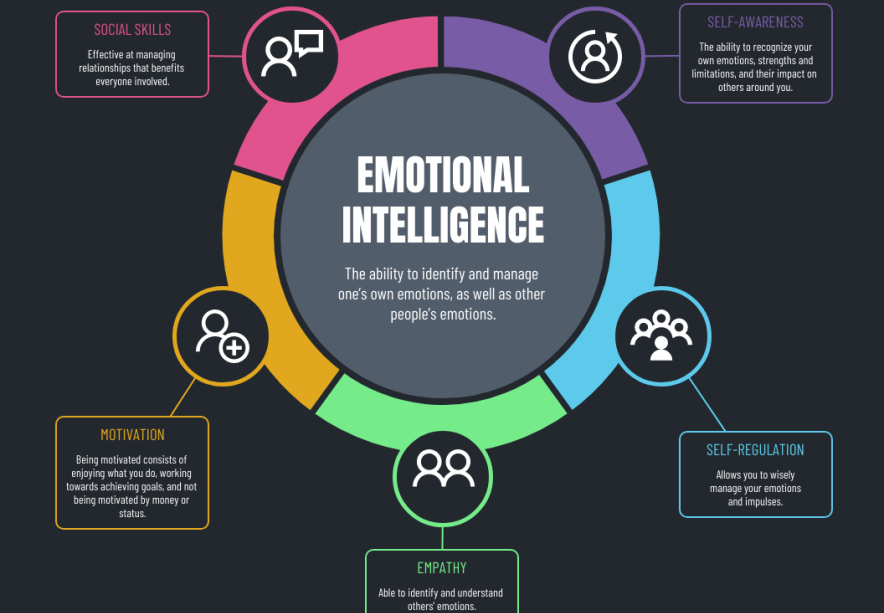
Emotional intelligence refers to the ability to recognise, understand, manage, and appropriately express emotions.
It involves understanding your own feelings while also recognising what other people may be experiencing.
For children, emotional intelligence can look like knowing how to say, “I am angry because my friend took my toy,” instead of immediately hitting the friend. It can also mean noticing that another child is upset and choosing to offer comfort.
Emotional intelligence does not mean that children should never feel angry, sad, afraid, or frustrated. Instead, it teaches them how to understand these emotions and respond to them in healthier ways.
The Main Elements of Emotional Intelligence
Emotional intelligence is often understood through several connected abilities.
1. Self-Awareness
Self-awareness means recognising your emotions and understanding how they affect your behaviour.
A self-aware child may recognise:
- “I am nervous about my test.”
- “I am angry because I feel left out.”
- “I need some time to calm down.”
- “I feel excited about seeing my friends.”
Parents can develop self-awareness by helping children name their emotions rather than dismissing them.
Instead of saying, “Stop crying,” a parent might say, “You seem really disappointed. Do you want to tell me what happened?”
This gives the child an opportunity to understand what they are feeling.
2. Emotional Regulation
Children experience strong emotions, but they do not automatically know how to manage them.
Emotional regulation involves learning how to pause, think, and choose an appropriate response.
A child who learns emotional regulation may develop strategies such as:
- Taking deep breaths.
- Walking away from an argument.
- Talking about the problem.
- Taking a short break.
- Asking for help.
- Using words instead of aggression.
Parents can model these behaviours by demonstrating calm responses during stressful situations.
3. Empathy
Empathy is the ability to understand or recognise another person’s feelings.
A child develops empathy when they begin to understand that other people have emotions, experiences, and perspectives that may differ from their own.
Parents can encourage empathy with questions such as:
“How do you think your friend felt when that happened?”
Or:
“What could you do to help someone who is feeling sad?”
Stories, conversations, role-playing, and everyday experiences can all help children practise seeing situations from another person’s perspective.
4. Social Skills
Emotional intelligence also affects how children interact with others.
Social skills include listening, communicating, cooperating, resolving disagreements, respecting boundaries, and working as part of a group.
Children with stronger emotional and social skills may find it easier to build friendships and navigate disagreements.
However, these skills need to be taught and practised.
Parents should not assume that children automatically know how to communicate effectively. They may need guidance on how to apologise, disagree respectfully, share, negotiate, and express their needs.
Why Emotional Intelligence Matters
Emotional intelligence can influence many areas of life.
It Supports Healthy Relationships
Relationships require communication, empathy, patience, and the ability to manage disagreements.
A child who learns to express emotions appropriately may have a stronger foundation for developing healthy friendships and relationships later in life.
They can learn that disagreement does not necessarily mean rejection and that conflict can sometimes be resolved through conversation.
It Helps Children Handle Challenges
Life will inevitably bring disappointment.
A child may lose a competition, receive a poor grade, experience friendship problems, or fail at something they expected to accomplish.
Emotional intelligence can help children process these experiences without believing that one setback defines them.
Instead of thinking, “I failed, so I am a failure,” they can gradually learn to think, “This did not work. What can I learn from it?”
It Can Improve Communication
Children who understand their emotions are often better positioned to communicate what they need.
Rather than responding with anger or silence, they can learn to explain what is bothering them.
For example:
“I feel left out because everyone made plans without me.”
This is more constructive than simply refusing to speak to everyone involved.
How Parents Can Develop Emotional Intelligence
Emotional intelligence develops through everyday experiences. Parents do not need complicated programmes to begin teaching it.
Create Space for Conversations
Make it normal for children to talk about emotions.
Ask questions beyond:
“How was school?”
Try:
“What was the best part of your day?”
“Did anything upset you today?”
“Was there a moment when you felt proud?”
“Did you have a difficult conversation with anyone?”
These questions can encourage children to reflect on their experiences.
Do Not Shame Children for Having Feelings
There is a difference between accepting an emotion and accepting inappropriate behaviour.
A parent can say:
“It is okay to be angry, but it is not okay to hit your brother.”
This teaches an important lesson: feelings are valid, but not every reaction is acceptable.
Children need to know that emotions are not something they should be ashamed of.
Teach Emotional Vocabulary
Children cannot always explain what they feel because they lack the words to describe it.
Parents can introduce words such as:
- Frustrated
- Disappointed
- Excited
- Nervous
- Embarrassed
- Lonely
- Proud
- Worried
- Jealous
- Confused
- Overwhelmed
The larger a child’s emotional vocabulary becomes, the easier it may be for them to communicate what is happening internally.
Model Healthy Emotional Behaviour
Children watch adults closely. If parents respond to every disagreement with shouting, children may learn that shouting is an acceptable way to deal with conflict.
On the other hand, when adults acknowledge mistakes, apologise, communicate calmly, and manage frustration appropriately, children see emotional intelligence in action.
Parents do not have to be perfect.
In fact, saying, “I was frustrated earlier, and I should not have spoken to you that way. I’m sorry,” can teach a powerful lesson about accountability.
Help Children Understand Other Perspectives
When children have disagreements with siblings or friends, parents can encourage them to consider what the other person may have experienced.
This does not mean forcing children to agree with everyone.
Instead, it teaches them that two people can experience the same situation differently.
For example, one child may believe that a sibling deliberately ignored them, while the sibling may have been distracted.
Teaching children to consider different explanations can reduce unnecessary conflict and encourage thoughtful responses.
Emotional Intelligence and Discipline
Discipline can be an opportunity to teach emotional intelligence.
Instead of focusing only on punishment, parents can ask children to reflect on their behaviour.
Questions such as:
“What happened?”
“What were you feeling at the time?”
“What did you choose to do?”
“Who was affected by what happened?”
“What could you do differently next time?”
can encourage self-reflection and responsibility.
The purpose of discipline should not simply be to make children afraid of consequences. It should also help them understand their behaviour and learn better ways of responding.
Emotional Intelligence Does Not Mean Avoiding Conflict
Children with emotional intelligence will still become angry, frustrated, jealous, or upset.
The difference is in how they learn to respond.
Healthy emotional development does not require children to avoid difficult emotions. Instead, it helps them recognise that uncomfortable feelings can be managed.
A child can be angry and still communicate respectfully.
They can be disappointed and still congratulate someone else.
They can feel nervous and still try something new.
They can disagree with someone without insulting them.
These are valuable life skills.
Preparing Children for Adulthood
Emotional intelligence becomes increasingly important as children grow. Adults must navigate workplaces, friendships, marriages, family responsibilities, financial pressures, leadership positions, and difficult conversations.
Academic qualifications may open doors, but emotional skills can influence how people handle the opportunities and challenges they encounter.
Teaching children how to understand themselves and relate to others is therefore part of preparing them for life beyond the home.
Final Thoughts
Emotional intelligence is not a single skill that children either have or do not have. It develops gradually through relationships, experiences, conversations, mistakes, and consistent guidance.
Parents can nurture emotional intelligence by listening to children, helping them name their feelings, modelling healthy communication, encouraging empathy, and teaching them that emotions can be managed without being suppressed.
Most importantly, children need to know that having emotions is part of being human.
When children learn to understand what they feel, consider what others feel, and choose their responses carefully, they gain skills that can serve them for the rest of their lives.




Leave a reply




Africa’s Source for Breaking News | Entertainments | Health | Finance | Sports | Lifestyle and Business News.


