
Sports Events Driving Local Tourism
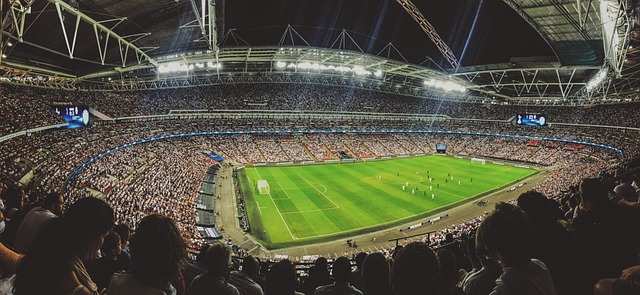
Sports Events Driving Local Tourism
Sports have become more than a source of entertainment.
Across Africa, major sporting events are increasingly creating opportunities for local tourism, hospitality, transportation, retail and small businesses.
From football tournaments and athletics competitions to marathons, boxing events and traditional sporting festivals, these gatherings attract visitors who spend money beyond the stadium or event venue. When properly planned, sports events can introduce cities and communities to new audiences while supporting local economies.
How Sports Events Support Local Tourism
A successful sporting event can bring thousands of people into a city. Visitors need accommodation, food, transportation and entertainment during their stay.
This creates opportunities for hotels, restaurants, taxi operators, tour companies, market traders and other businesses.
The impact can extend beyond the event itself. Visitors who have a positive experience may return later for holidays or recommend the destination to friends and family.
1. Hotels and Accommodation Benefit
Accommodation providers are often among the first businesses to benefit from large sporting events.
Fans, athletes, coaches, officials, journalists and sponsors all require places to stay. During major competitions, hotels and guesthouses can experience increased demand, particularly when visitors travel from other cities or countries.
Smaller accommodation businesses can also benefit by offering affordable alternatives to traditional hotels.
2. Restaurants and Food Vendors Gain New Customers
Visitors need to eat, and sporting events can create significant demand for local food. Restaurants near stadiums and event venues may see increased traffic. Street food vendors and small food businesses can also benefit when they are positioned in high-traffic areas.
This creates an opportunity to showcase local cuisine.
A visitor attending a sporting event in Lagos, Accra, Nairobi or Kigali may leave with memories of both the competition and the food they experienced.
3. Transportation Creates Economic Opportunities
Large sporting events require people to move efficiently.
Taxis, ride-hailing services, buses, car rentals and other transportation providers can experience increased demand.
Event organisers can also work with local transport operators to create designated routes and visitor-friendly transportation options.
Better transportation planning benefits both tourists and residents.
4. Local Attractions Receive More Attention
Sports visitors rarely spend their entire trip inside a stadium.
They may visit museums, beaches, historical sites, cultural centres, markets, restaurants and entertainment venues.
This gives tourism authorities an opportunity to package sporting events alongside local attractions.
For example, a visitor attending a football tournament could be encouraged to explore nearby cultural landmarks before or after a match.
Sports can therefore serve as an entry point into a broader tourism experience.
5. Small Businesses Can Benefit
The economic impact of sporting events is not limited to large companies. Small businesses can sell clothing, souvenirs, food, crafts and other products to visitors. Local photographers, tour guides, designers and content creators can also find opportunities.
Event organisers can strengthen this impact by deliberately creating spaces for local businesses to participate.
Markets and vendor zones around sporting venues can help ensure that tourism spending reaches communities.
6. Sports Events Promote Destinations
A major sporting event can put a city on an international stage.
Television coverage, online videos, social media posts and news reports can expose millions of people to the host destination.
Viewers may see the stadium, streets, landscapes, hotels and cultural activities surrounding the event.
This type of exposure can strengthen destination branding when the city is prepared to present itself effectively.
7. Local Culture Becomes Part of the Experience
Sports tourism provides an opportunity to showcase local culture. Opening ceremonies, musical performances, traditional clothing, local cuisine and cultural exhibitions can introduce visitors to aspects of a destination they may not otherwise encounter.
This can also create opportunities for artists, performers and cultural entrepreneurs.
When culture is presented respectfully, it becomes an important part of the visitor experience.
8. Sporting Events Can Encourage Infrastructure Development
Hosting major events often requires investment in roads, public transportation, stadiums, accommodation and public spaces. Although infrastructure projects can be expensive, improvements may provide long-term benefits when they are properly planned and maintained.
A better stadium district, improved transportation network or renovated public space can continue serving residents after the event has ended.
The key is ensuring that infrastructure meets long-term community needs rather than being built only for a temporary occasion.
9. Events Can Create Jobs
Sporting events require large numbers of workers.
Security personnel, cleaners, drivers, hospitality workers, vendors, technicians, event planners and media professionals may all find temporary or permanent opportunities.
Local recruitment can increase the economic impact of an event.
Training programmes can also help young people develop skills that remain useful after the competition ends.
10. Digital Media Can Extend the Tourism Impact
Social media has changed the way sporting events promote destinations. Visitors can share videos, photographs and experiences instantly. A memorable stadium atmosphere, local meal or tourist attraction can reach audiences far beyond the event venue.
Organisers and tourism authorities can encourage this by creating attractive digital experiences and providing useful information for visitors.
Hashtags, destination campaigns and partnerships with content creators can help extend the event’s visibility.
Making Sports Tourism More Sustainable
The success of a sporting event should not be measured only by ticket sales or attendance. Organisers should consider whether local businesses benefited, whether visitors had positive experiences and whether infrastructure improvements will continue to serve communities.
Environmental sustainability should also be considered. Large events can generate waste and increase traffic, making responsible waste management and transportation planning important.
Most importantly, local communities should have a meaningful role in the economic opportunities created by major sporting events.
The Future of Sports Tourism in Africa
Africa has enormous potential for sports tourism. The continent’s passion for football, athletics, basketball, boxing and other sports creates a strong foundation for events that can attract both domestic and international visitors.
Cities can use sporting competitions as opportunities to promote their attractions, support local businesses and strengthen their tourism industries.
However, successful sports tourism requires more than hosting a competition. It requires planning, reliable infrastructure, effective promotion, safety and cooperation between governments, event organisers, tourism businesses and local communities.
When these elements come together, a sporting event can become much more than a few days of competition. It can become a catalyst for tourism, entrepreneurship and local economic growth.
Conclusion
Sports have the power to connect people, but they can also connect visitors with places. From hotels and restaurants to transport operators, artisans and tour guides, many local businesses can benefit when sporting events attract visitors to their communities. With thoughtful planning, African cities can use sports to showcase their culture, strengthen local tourism and create lasting economic opportunities.
The real opportunity lies in turning the excitement of a sporting event into a reason for visitors to discover, and return to, the destination.


Leave a reply




Africa’s Source for Breaking News | Entertainments | Health | Finance | Sports | Lifestyle and Business News.


