
Understanding Mobile Money Growth Across Africa
Understanding Mobile Money Growth Across Africa
Over the past two decades, mobile money has transformed the way millions of Africans access and manage financial services.
What began as a simple method for transferring funds through mobile phones has evolved into a powerful financial ecosystem that supports payments, savings, lending, insurance, and business transactions. Today, Africa is widely recognized as the global leader in mobile money adoption, with millions of users relying on these services for their daily financial needs.
The rapid growth of mobile money has played a significant role in promoting financial inclusion, particularly among populations that have traditionally been underserved by conventional banking institutions. As digital technology continues to expand across the continent, mobile money is becoming an essential pillar of Africa’s economic development.
What Is Mobile Money?
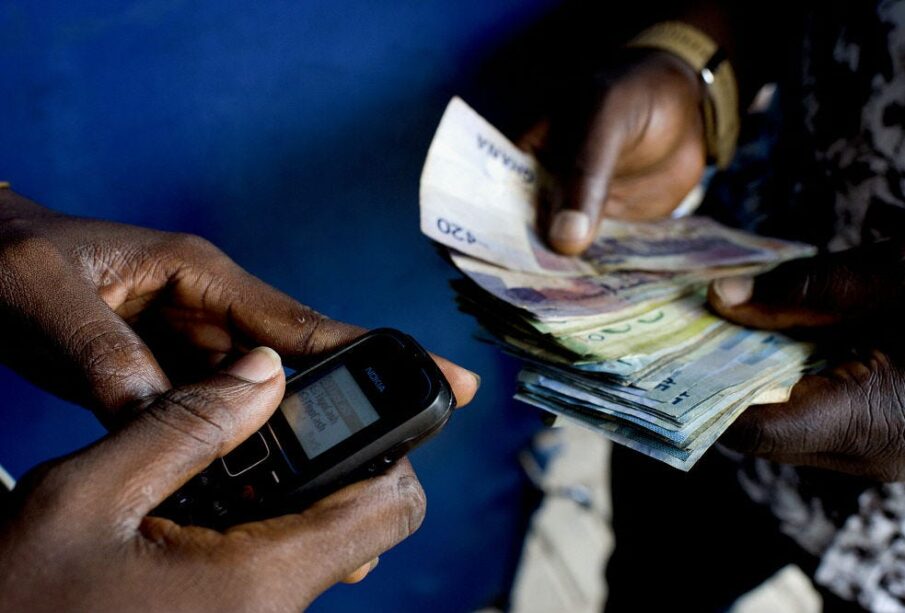
Mobile money is a financial service that allows users to store, send, and receive money using a mobile phone. Unlike traditional banking, mobile money does not necessarily require a bank account. Users can deposit cash through authorized agents, transfer funds to other users, pay bills, purchase goods, and withdraw cash when needed.
Most mobile money services operate through simple mobile devices, making them accessible even in areas with limited internet connectivity. This accessibility has been a key factor behind its widespread adoption across Africa.
Factors Driving Mobile Money Growth
1. Limited Access to Traditional Banking
Many African countries have historically faced challenges in providing banking services to rural and remote communities. Long distances to bank branches, high account maintenance fees, and complex documentation requirements have discouraged many people from using traditional financial institutions.
Mobile money offers a practical alternative by bringing financial services directly to users through their phones. This convenience has enabled millions of previously unbanked individuals to participate in the formal financial system.
2. High Mobile Phone Penetration
The rapid spread of mobile phones across Africa has created a strong foundation for mobile money services. Even in regions where banking infrastructure is limited, mobile networks often provide extensive coverage.
As mobile phone ownership continues to increase, more people gain access to digital financial services, accelerating mobile money adoption.
3. Growing Digital Economy
Africa’s digital economy is expanding rapidly, driven by e-commerce, digital entrepreneurship, online services, and remote work opportunities. Mobile money serves as a critical payment infrastructure that enables consumers and businesses to conduct transactions efficiently.
Small businesses, freelancers, and online vendors increasingly depend on mobile money platforms to receive payments and manage cash flow.
4. Strong Agent Networks
Mobile money providers have invested heavily in agent networks that allow customers to deposit and withdraw cash conveniently. These agents serve as local financial access points in both urban and rural areas.
The widespread availability of agents has helped build trust in mobile money services and reduced barriers to adoption.
5. Government Support and Regulation
Many African governments and regulators have recognized the economic benefits of mobile money and implemented policies that encourage innovation while protecting consumers.
Supportive regulations have enabled telecommunications companies, financial institutions, and fintech startups to collaborate and expand digital financial services across the continent.
Benefits of Mobile Money
Financial Inclusion
Perhaps the most significant achievement of mobile money is its contribution to financial inclusion. Millions of people who previously lacked access to banking services can now save money, receive payments, and conduct transactions securely.
Economic Empowerment
Mobile money enables individuals and small businesses to participate more actively in economic activities. Farmers can receive payments directly, entrepreneurs can manage transactions efficiently, and workers can send money to family members quickly and affordably.
Improved Security
Carrying large amounts of cash can expose individuals to theft and loss. Mobile money provides a safer alternative by allowing users to store funds digitally and access them when needed.
Faster Transactions
Sending money through traditional channels can be time-consuming and expensive. Mobile money allows users to transfer funds almost instantly, regardless of geographical distance.
Support for Women and Rural Communities
Mobile money has been particularly beneficial for women and residents of rural areas who often face greater barriers to accessing traditional financial services. Greater financial access can contribute to economic independence and improved household welfare.
Challenges Facing Mobile Money Expansion
Despite its success, mobile money still faces several challenges:
Digital Literacy Gaps
Some users may struggle to understand digital financial services, increasing the risk of errors or fraud. Continued education and awareness campaigns are essential.
Network Reliability
In some regions, poor network coverage and service interruptions can affect transaction reliability and user confidence.
Cybersecurity and Fraud
As digital transactions increase, fraudsters continue to develop new methods of targeting users. Service providers must invest in security measures while educating customers about safe practices.
Regulatory Complexity
Different countries have varying regulations governing digital finance. Harmonizing regulatory frameworks could support greater cross-border mobile money usage.
The Future of Mobile Money in Africa
The future of mobile money in Africa appears highly promising. Emerging technologies such as artificial intelligence, digital identity systems, and fintech innovations are expected to enhance service delivery and expand financial access even further.
Cross-border mobile payments are becoming more common, helping facilitate regional trade and economic integration. Mobile money platforms are also increasingly offering savings accounts, credit services, insurance products, and investment opportunities.
As smartphone adoption rises and internet connectivity improves, mobile money is likely to evolve into a comprehensive digital financial ecosystem that supports individuals, businesses, and governments alike.
Conclusion
Mobile money has become one of Africa’s most significant technological and financial success stories. By bridging the gap between traditional banking and underserved populations, it has empowered millions of people to participate in the modern economy. Its impact extends beyond simple money transfers, supporting entrepreneurship, financial inclusion, economic growth, and social development.
As innovation continues and digital infrastructure expands, mobile money will remain a key driver of Africa’s financial transformation, helping shape a more inclusive and connected future for the continent.




Leave a reply




Africa’s Source for Breaking News | Entertainments | Health | Finance | Sports | Lifestyle and Business News.


