
Why the Atiku-EFCC Debate Is Back Ahead of 2027
Why the Atiku-EFCC Debate Is Back Ahead of 2027
Old Files, New Fight: Why the Atiku-EFCC Debate Is Back Ahead of 2027
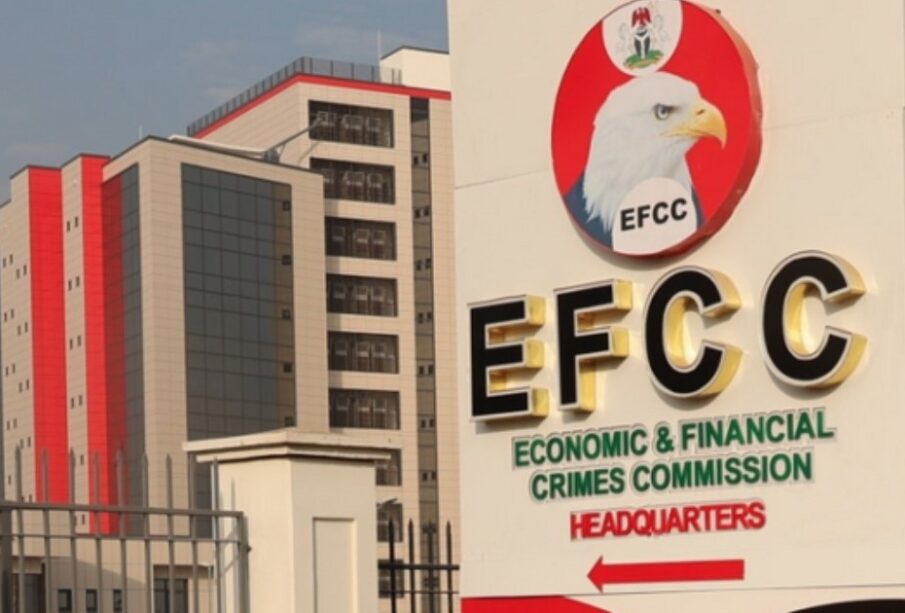
As Nigeria approaches the 2027 general elections, an old political controversy has returned to public debate. The Economic and Financial Crimes Commission (EFCC) is facing renewed calls to investigate former Vice President Atiku Abubakar over historical financial allegations. The development has raised questions about accountability, political rivalry, and the role of anti-corruption institutions.
The timing has attracted attention because Atiku remains a major opposition figure. He could also play a significant role in the 2027 presidential election. However, the renewed investigation does not automatically prove wrongdoing. Instead, it raises questions about earlier investigations, possible new evidence, and the fair application of the law.
Why the Atiku-EFCC Controversy Has Returned
The latest development followed a petition from former House of Representatives member Ehiozuwa Johnson Agbonayinma. He asked the EFCC to revisit its September 2006 investigation report concerning Atiku. He also urged the commission to examine a February 2010 report by the United States Senate Permanent Subcommittee on Investigations.
Reports indicate that Agbonayinma dated the petition August 27, 2026. The EFCC received it on September 1. He later visited the commission’s headquarters in Abuja on October 12 to adopt the petition and answer investigators’ questions.
Agbonayinma wants the authorities to determine whether the historical records justify further legal action. He argues that allegations involving powerful politicians should not remain unresolved indefinitely.
However, a petition only requests official action. An investigation examines available evidence. Neither establishes criminal guilt. Any decision to prosecute must follow the law and rely on sufficient evidence.
What the Old Reports Reveal
The controversy concerns financial transactions that investigators examined in Nigeria and the United States. The 2010 US Senate subcommittee report explored weaknesses in the American financial system. These weaknesses allowed politically exposed persons and their associates to move money through financial institutions.
The report examined more than $40 million in transfers between 2000 and 2008. It discussed transactions involving Atiku, his former wife Jennifer Douglas, offshore entities, and US bank accounts. Investigators raised questions about financial transparency and banking safeguards.
Nevertheless, the report’s findings require careful interpretation. The existence of financial transactions does not automatically prove that every person connected to them committed a crime. Investigators must establish the nature of each transaction and the evidence linking individuals to alleged misconduct.
Atiku has challenged accusations surrounding his financial history. He maintains that several institutions examined the allegations during and after his time in government. These included the EFCC, an administrative panel, the National Assembly, and the courts.
He has also called on his accusers to present credible evidence. His position raises an important question: what did the earlier investigations establish? More importantly, has the latest petition introduced evidence that warrants further action?
Atiku’s Response and the Political Witch-Hunt Argument
Atiku has questioned the timing of the renewed investigation. He argues that authorities should not recycle old allegations without explaining what has changed. He has also accused supporters of President Bola Tinubu’s administration of using historical controversies to distract Nigerians from economic challenges and government performance.
Such arguments reflect a wider concern in Nigerian politics. Opposition figures often suspect political interference when law enforcement agencies investigate them. These suspicions can grow stronger during election campaigns.
However, timing alone cannot prove political persecution. An investigation may have legitimate grounds even when it affects a major opposition politician. Likewise, an official investigation deserves scrutiny when credible evidence suggests political interference.
Nigerians should therefore demand facts rather than accept either side’s claims without question. If investigators find credible evidence, the EFCC should examine it. If the allegations lack sufficient support, the commission should communicate its conclusions through appropriate channels.
Why the 2027 Elections Raise the Stakes
The approaching elections have increased the political importance of this controversy. Atiku remains a prominent opposition figure, and questions about his record could influence voters’ opinions.
Political parties often use allegations against their opponents to challenge their credibility. As a result, historical reports can quickly become campaign material. This happens especially when allegations concern corruption, financial integrity, or public accountability.
The All Progressives Congress has previously criticised Atiku over historical financial controversies. Meanwhile, Atiku’s camp has rejected attempts to present the allegations as proof of criminal conduct.
These competing positions show how political interests can shape public discussion. However, neither political criticism nor a politician’s denial can replace evidence.
Voters should ask practical questions. What exactly do the allegations involve? What did previous investigations establish? Has the latest petition introduced new information? What evidence supports any proposed legal action?
These questions encourage a more informed debate. They also help citizens distinguish documented facts from campaign rhetoric.
The EFCC’s Credibility Is Also at Stake
The EFCC has an important responsibility in this case. As Nigeria’s principal anti-corruption agency, it must investigate credible financial crime allegations without favouring political allies or targeting opponents.
If investigators identify credible new evidence, they should pursue the matter according to the law. If the evidence does not support prosecution, the commission should explain its position through appropriate channels.
The EFCC must also distinguish an investigation from a criminal conviction. Investigators gather evidence, while prosecutors assess whether a case can proceed. Courts then determine criminal liability through established legal procedures.
Public confidence suffers when cases appear to follow political convenience. It also declines when investigations drag on without clear explanations. Consistent enforcement would help show Nigerians that political influence does not determine who faces scrutiny.
At the same time, authorities must respect the rights of anyone under investigation. Every individual deserves fair treatment and due process. Public officials should also avoid presenting unsupported accusations as established facts.
What Nigerians Should Watch Next
The next important development will be the EFCC’s handling of the petition. Nigerians should look for verified updates about the investigation’s scope, the records under review, and any formal decisions.
They should also distinguish between statements from Agbonayinma, responses from Atiku’s representatives, and official findings from investigators or courts. Each source carries a different level of authority.
Journalists have a responsibility to report these developments accurately. They should identify the source of each allegation and explain the status of earlier proceedings. Headlines must not suggest that a court has convicted someone when no such judgment exists.
Social media users also have a role to play. Before sharing a damaging claim, they should check its original source and publication date. They should also establish whether later developments changed the story.
These habits matter during election campaigns. Misleading claims can spread quickly and influence public opinion before corrections reach the same audience.
Ultimately, voters should evaluate candidates using credible information about their records, policies, conduct, and responses to legitimate questions about accountability.
Beyond Atiku: The Bigger Accountability Question
Although Atiku’s political future attracts attention, the underlying issue extends beyond one individual. Nigeria needs an anti-corruption system that applies the law consistently, regardless of political affiliation.
Achieving this goal requires independent institutions, transparent investigations, and timely court proceedings. Authorities must also protect citizens from politically motivated investigations and accusations that lack credible evidence.
The same standards should apply to former presidents, governors, ministers, opposition leaders, businesspeople, and serving public officials. Selective enforcement weakens public trust. Consistent accountability strengthens democratic institutions.
The central question is not whether an old controversy can become relevant again. It is whether investigators have credible grounds to act. Nigerians must also know whether authorities have applied the law fairly and followed proper procedures.
Conclusion
The renewed Atiku-EFCC debate shows how Nigeria’s political past can shape its electoral future. As the 2027 elections approach, historical allegations may return to the headlines. Political opponents may use them to question a candidate’s credibility, while supporters may describe them as attempts at persecution.
Neither argument should replace a careful examination of the evidence. A petition does not prove guilt, and an investigation does not amount to a conviction. Similarly, claims of political persecution require evidence before the public can accept them as fact.
Nigerians deserve credible investigations, clear records, and fair legal proceedings. They also need institutions that apply the law without fear or favour.
Whether this renewed investigation leads to further legal action or ends without prosecution, the process must remain transparent and evidence-based. The real test ahead of 2027 is whether Nigeria can move beyond political point-scoring. Accountability should serve justice, not partisan interests. Ultimately, every politician deserves scrutiny, but no individual should face a presumption of guilt simply because an allegation has survived for years.




Leave a reply




Africa’s Source for Breaking News | Entertainments | Health | Finance | Sports | Lifestyle and Business News.


