
Wildlife Conservation Success Stories Across Africa
Wildlife Conservation Success Stories Across Africa
Africa is home to some of the world’s most remarkable wildlife, from mountain gorillas and elephants to rhinos, lions, and countless other species.
For decades, however, many of these animals have faced serious threats from poaching, habitat loss, climate change, illegal wildlife trade, and conflict between people and wildlife.
Despite these challenges, there are encouraging conservation stories across the continent. Governments, conservation organizations, local communities, researchers, and tourism operators have developed strategies that are helping threatened species recover and protected landscapes become more resilient.
These successes show that wildlife conservation in Africa is possible when communities and institutions work together.
1. Mountain Gorillas in Rwanda, Uganda and the Democratic Republic of Congo
The recovery of Africa’s mountain gorillas is one of the continent’s best-known conservation success stories.
Mountain gorillas once faced severe pressure from poaching, habitat destruction, disease, and human encroachment. Their population fell to only a few hundred individuals at its lowest point.
Today, the population has surpassed 1,000, making their recovery a major conservation achievement. Mountain gorillas were also reclassified from Critically Endangered to Endangered in 2018.
Conservation efforts have included close monitoring, anti-poaching patrols, veterinary support, habitat protection, research, and carefully managed tourism.
Rwanda provides an especially strong example of how tourism can contribute to conservation. Communities around Volcanoes National Park increasingly benefit from an economy built partly around gorilla tourism, giving residents additional incentives to protect the animals and their habitat.
2. Black Rhino Recovery in Kenya
Kenya’s black rhinos have also experienced a remarkable turnaround.
During the 1970s and 1980s, intense poaching caused the country’s black rhino population to fall to fewer than 300 animals. Stronger government intervention and increased protection helped reverse the decline.
Today, Kenya is working toward a population of 2,000 black rhinos, while new sanctuaries and conservancies are providing additional space for the animals.
The return of black rhinos to places where they had disappeared is particularly significant. In 2025, rhinos were reintroduced to Loisaba Conservancy, restoring a species that had been absent from the landscape since the 1970s.
This demonstrates how protected areas can do more than prevent extinction. They can help restore wildlife to parts of its former range.
3. Black Rhino Reintroduction in Mozambique
Mozambique offers another example of wildlife restoration through translocation.
Black rhinos disappeared locally from parts of the country after decades of poaching and other pressures. In 2025, 10 additional black rhinos were moved from South Africa to Zinave National Park as part of an effort to establish a viable breeding population.
According to the South African government, 37 rhinos had already been introduced and were thriving in the park.
Such projects are important because they reconnect wildlife with landscapes where populations have historically existed. They also demonstrate the value of cooperation between African countries in restoring threatened species.
4. Community Conservation in Namibia
Namibia has become well known for its community-based approach to wildlife conservation.
Instead of treating wildlife protection as something that happens only inside government-controlled parks, Namibia has developed communal conservancies where local residents can participate in managing natural resources.
This approach can give communities a direct economic reason to protect wildlife. Tourism, employment, conservation activities, and other benefits can help make living alongside wild animals more sustainable.
The broader lesson is important: conservation is more likely to succeed when people living alongside wildlife have a meaningful stake in its survival.
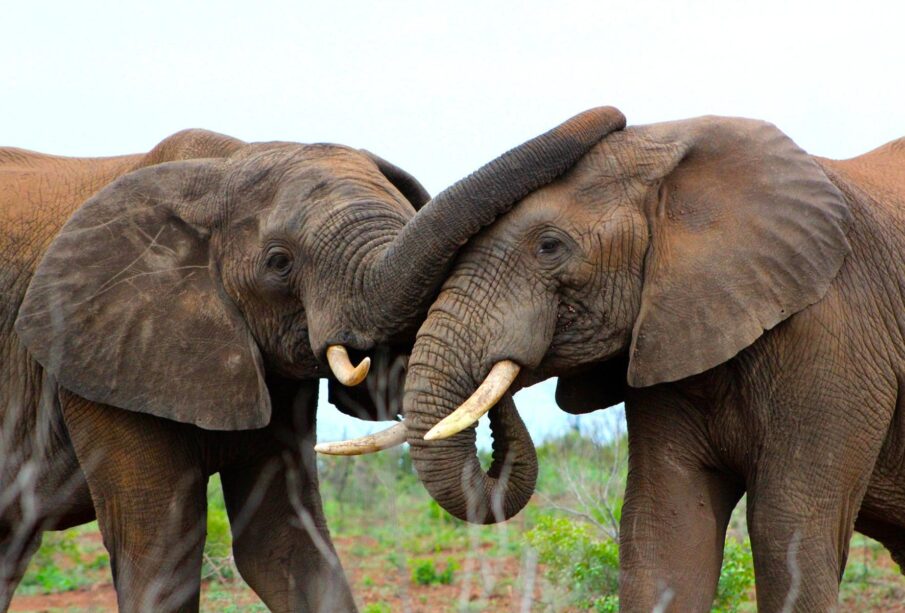
5. Elephant Conservation Across Africa
African elephants continue to face serious threats, but there are also successful examples of improved protection and community involvement.
Conservation programmes have used anti-poaching operations, improved monitoring, law enforcement, aerial surveys, and measures designed to reduce human-elephant conflict.
The African Elephant Fund highlights projects across countries including Kenya, Côte d’Ivoire, Gabon, Nigeria, and Ghana. These initiatives address both elephant poaching and conflicts between elephants and communities.
This is particularly important because protecting elephants is not simply about stopping illegal hunting. Communities living near elephant habitats also need practical ways to protect crops, homes, and livelihoods.
6. Stronger Anti-Poaching Efforts Across the Continent
One of the clearest lessons from recent conservation programmes is that direct action against immediate threats can produce measurable results.
A 2026 IUCN assessment covering 91 conservation projects across 31 African countries found that anti-poaching patrols, veterinary interventions, habitat restoration, and livestock protection measures produced significant conservation outcomes. Across the programme, patrol teams removed more than 4,800 snares, covered over 260,000 kilometres, and made more than 260 arrests.
In Zambia, for example, community scout networks and specialist canine units helped expand anti-poaching efforts. Between 2018 and 2021, annual patrol coverage increased substantially and nearly 900 snares were recovered in one year.
These results show why well-trained rangers and effective law enforcement remain essential parts of wildlife protection.
7. Habitat Restoration Is Creating New Opportunities
Protecting animals is only one part of conservation. Wildlife also needs functioning ecosystems where it can feed, reproduce, migrate, and find shelter.
Across the IUCN-supported African Wildlife Initiative portfolio, conservation projects restored nearly 989,400 hectares of habitat, removed invasive species from more than 7,200 hectares, and improved management across approximately 39 million hectares of land.
These efforts demonstrate that conservation can have benefits far beyond individual species. Healthy forests, grasslands, wetlands, and savannahs also support agriculture, water systems, climate resilience, and local livelihoods.
What These Success Stories Have in Common
Although conservation programmes differ from country to country, several common factors appear repeatedly.
Community involvement
Wildlife cannot be protected effectively if people living near protected areas are excluded from conservation decisions. Community participation can help reduce conflict and create local support for wildlife protection.
Strong law enforcement
Rangers, investigators, courts, and wildlife authorities all play important roles in reducing poaching and illegal wildlife trade.
Sustainable tourism
When responsibly managed, wildlife tourism can generate income for governments, conservation organizations, businesses, and local communities.
Scientific monitoring
Counting animals, tracking movements, monitoring diseases, and studying habitats help conservationists make better decisions.
International cooperation
Wildlife does not recognize national borders. Elephants, lions, gorillas, and other species often move across large landscapes, making cooperation between neighboring countries essential.
The Road Ahead
Africa’s conservation successes should inspire optimism, but they should not create complacency. Many species remain threatened, and conservation gains can be reversed when funding disappears, habitats become fragmented, or poaching increases. Climate change is also creating new pressures on ecosystems and wildlife.
The strongest lesson from Africa’s conservation successes is therefore not that the problems have been solved. It is that effective action can make a measurable difference.
From the mountain gorillas of Rwanda and Uganda to Kenya’s recovering rhinos and conservation initiatives protecting elephants across the continent, Africa has demonstrated that wildlife populations can recover when people commit to protecting them.
The future of African wildlife will depend on maintaining that commitment. Conservation is not only about protecting animals for future generations. It is also about protecting forests, grasslands, water systems, local livelihoods, and the natural heritage that makes the continent unique.
Africa’s wildlife still faces enormous challenges, but these success stories provide an important reminder: when conservation is properly planned, adequately supported, and connected to the needs of local communities, remarkable recovery is possible.




Leave a reply




Africa’s Source for Breaking News | Entertainments | Health | Finance | Sports | Lifestyle and Business News.


