
Women in Gambia’s Politics
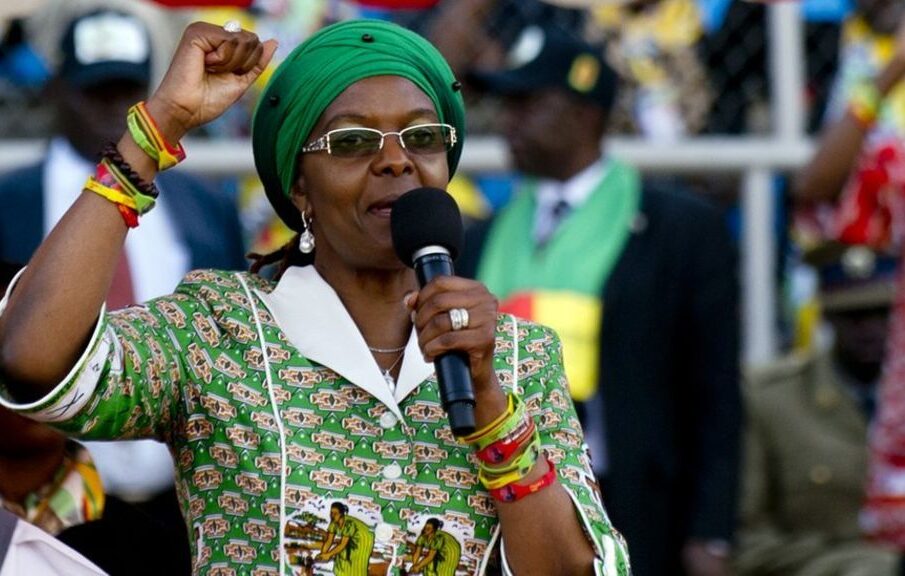
Women in Gambia's Politics
Women in Gambia’s Politics: Breaking Barriers or Hitting Ceilings?
A Democracy Still Waiting for Equal Representation
The Gambia has made progress in its democratic journey, but one important question remains: do women have a genuine opportunity to lead, or are they still struggling against a political ceiling? Women participate in elections, organise communities and advocate for social change. Yet, their presence in the country’s highest decision-making institutions remains limited.
This contradiction deserves attention. Women make up more than half of The Gambia’s population, but they hold only a small proportion of parliamentary seats. According to International IDEA, women occupied five of the National Assembly’s 58 seats following the 2022 elections, representing just 8.6 per cent. No woman has ever been elected president. “https://www.idea.int/news/national-conference-advancing-womens-political-participation-and-representation-gambia”
These figures reveal a gap between participation and power. Gambian women are involved in politics, but their involvement does not translate into equal representation. The question, therefore, is not whether women can lead. It is whether the political system gives them a fair chance to do so.
The Progress: Women Are Finding Their Political Voices
Women in The Gambia have contributed to political development through activism, public service and community leadership. Their work has helped bring issues such as gender equality, education, healthcare and women’s rights into national discussions.
One notable figure is Isatou Touray, a women’s rights activist who served as vice president from 2018 to 2019. Her appointment demonstrated that a woman could occupy one of the country’s highest political offices. Before entering government, Touray built a reputation through her advocacy for women’s rights and efforts to address harmful traditional practices.
Her experience also highlights the importance of civil society. Women do not need to begin their leadership journeys inside political parties. Many develop their public influence through advocacy, community organisations and professional work before entering government.
Furthermore, women contribute significantly to election campaigns and political mobilisation. They engage voters, organise meetings and support party activities. Their participation demonstrates political commitment and organisational ability.
However, a troubling imbalance persists. Women can be welcomed as campaign organisers while receiving fewer opportunities to become candidates or party leaders. As a result, their contributions may strengthen political organisations without giving them equal influence over political decisions.
The Barriers Keeping Women Out of Leadership
Cultural Expectations and Gender Stereotypes
Traditional expectations remain a significant obstacle. In some communities, women are expected to prioritise marriage, childcare and household responsibilities. Men, by contrast, may face fewer social objections when pursuing public leadership.
These attitudes can discourage women from contesting elections. A female candidate may face questions about her family responsibilities, character or personal life that receive less attention when her opponent is male.
Such double standards weaken political competition. Voters should assess candidates according to their competence, integrity and policies, rather than stereotypes about who is naturally suited to lead.
Changing these attitudes requires sustained public education. Families, schools, religious leaders and community organisations can help challenge assumptions that political authority belongs primarily to men.
Money and the Cost of Political Campaigns
Political participation can be expensive. Candidates need money for transport, campaign materials, communication, community meetings and other election-related activities.
Women with limited financial resources may struggle to compete against wealthier opponents. This challenge can become more serious when they have fewer connections to influential donors or business networks.
Political parties also determine who receives financial support and viable nominations. If party leaders repeatedly favour established male candidates, women may struggle to move from campaign participation to elected office.
The solution is not simply to encourage women to be more ambitious. Parties must provide fair nomination processes, transparent campaign support and practical assistance to qualified candidates.
Political Parties and the Problem of Gatekeeping
Political parties control many of the pathways into elected office. They select candidates, organise campaigns and negotiate political alliances. Consequently, women’s access to party leadership can determine whether they gain meaningful opportunities.
Women may be encouraged to mobilise voters but excluded from strategic discussions. They can become essential during election campaigns while remaining underrepresented when parties decide who will contest elections or influence policy.
This arrangement creates an unfair division of labour. Women help build political success but do not always receive an equal opportunity to benefit from it.
Political parties must therefore move beyond symbolic inclusion. They should promote women into leadership positions, establish transparent selection procedures and support female candidates in competitive constituencies.
Harassment and Digital Abuse
Social media has created new opportunities for women to communicate with voters and discuss public policy. Unfortunately, it has also exposed female politicians to online harassment, threats and gender-based insults.
Such abuse can damage reputations and discourage women from participating in public debate. In some cases, the pressure may extend to their families, making political involvement even more difficult.
Political disagreement is normal in a democracy. However, intimidation intended to silence women undermines democratic participation. Authorities, political parties and media organisations must take threats seriously and promote safer political environments.
Can Gender Quotas Break the Ceiling?
One promising development is the growing discussion about reserved parliamentary seats for women.
In January 2026, The Gambia’s National Assembly concluded consultations on a draft constitutional amendment bill proposing 14 reserved seats for women and two for persons with disabilities. The proposal was intended to address persistent underrepresentation. However, the bill must proceed through the required legislative stages before its provisions can become law. “https://www.idea.int/news/national-assembly-concludes-review-draft-constitution-amendment-bill-2026-reserved-seats-women”
If adopted and implemented effectively, the proposal could create more opportunities for women to participate in national decision-making. Reserved seats can help address structural disadvantages that ordinary electoral competition has failed to correct.
Nevertheless, quotas are not a complete solution. Women who enter parliament must have the resources, independence and authority to influence legislation. Their participation should not be limited to meeting a numerical target.
Political parties should also invest in leadership training, mentorship and campaign financing. Meanwhile, educational institutions can encourage girls to develop public-speaking, debating and leadership skills from an early age.
Beyond Numbers: Building Meaningful Political Power
The Gambia’s political future depends on whether it can turn promises of equality into practical reforms.
First, political parties must open their leadership structures to women. Second, electoral reforms should reduce unnecessary financial barriers and strengthen protection against political harassment. Third, public institutions should monitor women’s representation and publish reliable information about progress.
Men also have an important role. Supporting gender equality does not require men to abandon leadership. Instead, it requires them to recognise that talent and competence are not determined by gender.
Women should also have opportunities to influence every area of government, including finance, security, agriculture, infrastructure and foreign affairs. Their leadership should not be restricted to issues traditionally associated with women and families.
Most importantly, women must have the freedom to disagree, challenge established practices and make independent decisions. Representation without influence is not genuine equality.
Conclusion: Breaking Barriers Must Become the Standard
Women in Gambian politics are challenging traditional expectations, but the country’s low parliamentary representation shows that substantial barriers remain. Their achievements are important, yet individual success cannot replace institutional reform.
The proposed reserved-seat legislation offers an opportunity to strengthen representation, provided that lawmakers adopt effective measures and ensure meaningful implementation. Political parties must also change how they select candidates, distribute resources and share leadership responsibilities.
Ultimately, democracy becomes stronger when political institutions reflect the people they represent. Gambian women should not have to overcome extraordinary obstacles simply to compete for positions that men routinely pursue.
The real measure of progress will be a political environment in which women can contest elections, win public trust, shape national policies and lead without facing unequal barriers. Until that becomes normal, the question remains: are Gambian women breaking the political ceiling, or are they still being asked to prove that they deserve a seat at the table?



Leave a reply





Africa’s Source for Breaking News | Entertainments | Health | Finance | Sports | Lifestyle and Business News.


