
Young Africans Leading Community Change
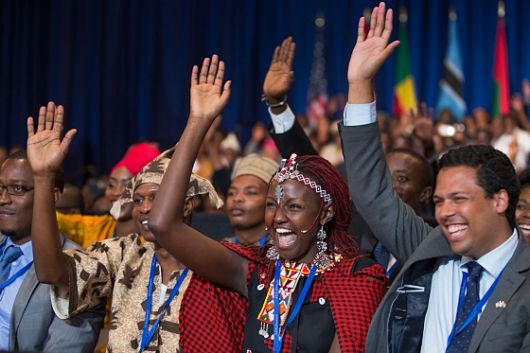
Young Africans Leading Community Change
Across Africa, a new generation of young leaders is transforming communities through innovation, activism, entrepreneurship, and social responsibility.
While the continent faces challenges such as unemployment, inadequate infrastructure, educational gaps, and environmental concerns, young Africans are increasingly stepping forward to create practical solutions that improve lives and inspire progress.
From technology hubs in major cities to grassroots initiatives in rural communities, youth-led efforts are shaping the future of Africa in remarkable ways. Their work demonstrates that meaningful change does not always require large institutions or government intervention; it often begins with individuals who identify local problems and commit themselves to finding solutions.
The Rise of Youth Leadership in Africa
Africa is the world’s youngest continent, with a significant percentage of its population under the age of 35. This demographic advantage has created a powerful force for innovation and social transformation. Young people are leveraging education, digital technology, social media, and community networks to address pressing issues in their neighborhoods and countries.
Unlike previous generations, today’s youth have greater access to information and global best practices. This exposure enables them to adapt successful ideas to local realities and develop solutions that are both innovative and culturally relevant.
Driving Change Through Education
Many young Africans recognize education as a key tool for community development. Across the continent, youth-led organizations are creating mentorship programs, scholarship initiatives, literacy campaigns, and digital learning platforms.
In underserved communities, volunteers often organize free tutoring sessions, donate learning materials, and help students gain access to online educational resources. These initiatives not only improve academic outcomes but also inspire younger generations to pursue their dreams despite socioeconomic challenges.
Youth advocates are also working to promote equal access to education for girls, children with disabilities, and marginalized groups, helping to build more inclusive societies.
Tackling Environmental Challenges
Environmental sustainability has become a major focus for young African changemakers. Climate change, deforestation, waste management, and pollution affect millions of people across the continent.
Young environmental activists are leading tree-planting campaigns, organizing community cleanups, promoting recycling programs, and educating citizens about sustainable practices. Many youth-led groups are also advocating for policies that support renewable energy and environmental conservation.
These efforts demonstrate that local action can contribute significantly to global environmental goals while improving the quality of life within communities.
Empowering Communities Through Entrepreneurship
Entrepreneurship has emerged as one of the most powerful tools for community transformation. Young business owners are creating enterprises that generate employment, solve local problems, and stimulate economic growth.
Across Africa, youth-led startups are providing innovative services in sectors such as agriculture, healthcare, education, transportation, and financial technology. These businesses often focus on addressing challenges faced by underserved populations while creating opportunities for others.
Social entrepreneurship, in particular, has gained momentum. Many young entrepreneurs prioritize community impact alongside profitability, ensuring that their ventures contribute to broader social development.
Using Technology for Social Good
Technology is enabling young Africans to solve challenges in ways that were unimaginable just a few decades ago. Mobile applications, online platforms, and digital tools are being used to improve access to healthcare, education, financial services, and public information.
Young innovators are developing solutions that help farmers access markets, connect job seekers with employers, facilitate remote learning, and provide healthcare information to rural populations. These technological advancements are helping bridge gaps in service delivery and creating new opportunities for economic participation.
Technology also allows youth leaders to mobilize communities, raise awareness, and collaborate across borders on shared challenges.
Promoting Civic Engagement and Social Justice
Many young Africans are actively participating in civic life and advocating for positive social change. Through community organizations, advocacy groups, and grassroots movements, they are encouraging greater transparency, accountability, and citizen participation.
Youth activists often lead campaigns focused on human rights, gender equality, public health, voter education, and social inclusion. By engaging citizens and encouraging dialogue, they help strengthen democratic values and foster a sense of collective responsibility.
Their efforts demonstrate that young people are not merely future leaders, they are already making significant contributions to society today.
Challenges Facing Young Change-Makers
Despite their achievements, young Africans often face numerous obstacles. Limited access to funding, inadequate infrastructure, regulatory barriers, and unemployment can make it difficult to sustain community initiatives.
Many youth-led organizations rely on volunteers and operate with limited resources. Access to mentorship, training, and financial support remains critical for expanding their impact.
However, these challenges have not diminished the determination of young leaders. Instead, many continue to find creative ways to overcome obstacles and deliver meaningful results.
Building a Stronger Future
Supporting young Africans who are leading community change is essential for the continent’s long-term development. Governments, private organizations, educational institutions, and international partners can contribute by investing in youth programs, expanding access to funding, and creating opportunities for leadership development.
When young people are empowered with the right tools, resources, and support systems, they become powerful agents of transformation capable of addressing some of society’s most pressing challenges.
Conclusion
Young Africans are proving that age is not a barrier to leadership and impact. Through education, entrepreneurship, technology, environmental action, and civic engagement, they are transforming communities and creating pathways for sustainable development.
Their determination, creativity, and commitment offer hope for a brighter future. As more young people take active roles in solving local challenges, Africa’s communities will continue to benefit from their energy, innovation, and vision. The story of Africa’s progress is increasingly becoming the story of its youth, individuals who are not waiting for change but are leading it themselves.




Leave a reply





Africa’s Source for Breaking News | Entertainments | Health | Finance | Sports | Lifestyle and Business News.


