
African Food Export Success Stories
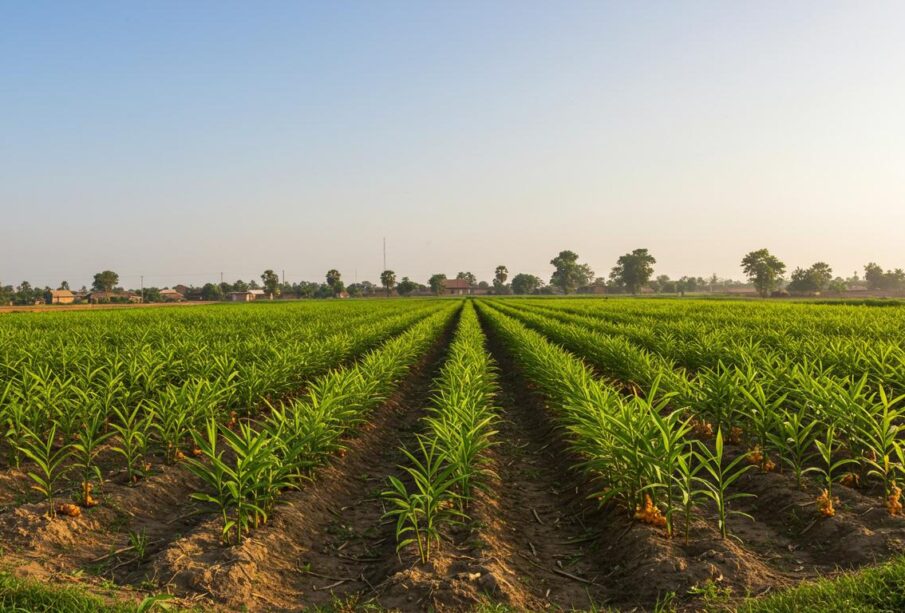
African Food Export Success Stories
African Food Export Success Stories: How Local Products Are Winning Global Markets
Africa has a rich food heritage built around grains, fruits, spices, nuts, vegetables, cocoa, coffee and countless traditional ingredients. For generations, many of these products were consumed locally or exported as raw commodities. Today, however, a growing number of African businesses are finding ways to take these foods beyond their borders as processed, packaged and branded products.
From cocoa and coffee to cashews, shea products, dried fruits and specialty spices, African food exporters are demonstrating that the continent can compete in international markets when quality, processing, branding and logistics come together.
From Raw Commodities to Global Products
One of the most important changes in Africa’s food export sector is the move toward value addition.
Historically, many African countries exported agricultural commodities with limited processing. For example, cocoa beans could leave a producing country and be processed elsewhere before becoming chocolate. Similarly, agricultural products such as cashews, coffee and fruits were often exported with much of their potential economic value captured outside the continent.
African entrepreneurs are increasingly challenging this model.
Instead of simply exporting raw materials, businesses are processing, packaging and branding food products for consumers abroad. This creates additional opportunities for farmers, processors, logistics providers, designers, distributors and other businesses within the local economy.
Ghana’s Cocoa and Chocolate Industry


While Ghana has traditionally been associated with cocoa bean production, local chocolate and cocoa-processing businesses have increasingly sought to create finished products for domestic and international consumers.
Brands producing chocolate, cocoa powder and other cocoa-based products demonstrate the commercial possibilities of adding value before export. Attractive packaging, food safety standards and consistent quality can help transform a familiar agricultural commodity into a premium consumer product.
The broader lesson is important: Africa does not have to export only what other countries need to process. It can increasingly export products that are ready for consumers.
Ethiopia’s Coffee Success


Ethiopian coffee is recognized by consumers and specialty coffee businesses around the world, with particular varieties and growing regions attracting interest from international buyers.
Coffee’s success illustrates the importance of origin branding. Consumers are often willing to pay more when they understand where a product comes from, how it was produced and what makes it distinctive.
For African exporters, this presents a valuable opportunity. Local food products do not always need to compete solely on price. Their history, geography, production methods and cultural significance can become part of the product’s value.
Kenya’s Avocado Export Growth


The country’s avocado industry has benefited from growing global demand for the fruit, particularly as consumers increasingly seek healthy and versatile foods.
The success of Kenyan avocado exporters highlights another critical factor in food exports: meeting international quality and supply requirements.
Exporters have to manage harvesting, grading, packaging, cold-chain logistics and transportation carefully. A product can be excellent at the farm level but still fail commercially if it arrives at its destination damaged or below the required quality.
This means food export success is not only about agriculture. It is also about logistics and supply-chain management.
Nigeria’s Sesame, Ginger and Processed Food Opportunities


Nigerian businesses are also exploring opportunities to export processed foods, spices, snacks and traditional food products to African communities and consumers around the world.
The Nigerian diaspora creates an additional market advantage. Products that are familiar to Nigerians and other Africans living abroad can benefit from an existing consumer base.
However, the bigger opportunity may lie beyond the diaspora market.
With the right packaging, certification, branding and marketing, African food products can appeal to consumers who have no previous connection to the continent but are interested in new flavors, healthy foods and culturally distinctive products.
Côte d’Ivoire and the Value of Cocoa
Côte d’Ivoire is another major force in the global cocoa industry.
Its position as a leading cocoa producer demonstrates Africa’s importance to the world’s food supply. Yet it also highlights one of the continent’s biggest challenges: producing large quantities of agricultural commodities does not automatically mean capturing the largest share of the final value.
Processing cocoa locally into chocolate, beverages, cosmetics and other products can create additional economic opportunities.
This is why value addition is increasingly central to conversations about Africa’s agricultural future.
Rwanda’s Specialty Coffee Story


Rather than competing only on volume, specialty coffee businesses can focus on traceability, production quality and relationships with international buyers.
This approach offers an important lesson for African food entrepreneurs: being smaller does not necessarily mean being less competitive.
A carefully positioned premium product can find customers willing to pay for quality and authenticity.
What Makes These Export Stories Successful?
Although African food export success stories differ from one country to another, several common factors appear repeatedly.
1. Quality Comes First
International customers expect consistency.
Exporters must pay attention to product quality, hygiene, packaging, storage and shelf life. Meeting these expectations helps build trust with distributors and retailers.
2. Processing Creates More Value
Processing can significantly increase the commercial potential of agricultural products.
Instead of exporting raw mangoes, for example, businesses can explore dried mango, juice, puree or other shelf-stable products.
The same principle can apply to cocoa, cassava, plantain, ginger, spices, nuts and many other African food products.
3. Strong Branding Matters
A good product needs a clear identity.
Packaging, storytelling, photography, product descriptions and brand positioning can influence whether an international customer sees an African food as an ordinary commodity or as a premium product worth trying.
4. Logistics Can Make or Break an Export Business
Food products are particularly sensitive to transportation delays, temperature changes, moisture and poor handling.
Successful exporters therefore need reliable logistics partners and well-planned supply chains.
For perishable products, cold-chain infrastructure can be especially important.
5. Certification Builds Trust
International food markets often have strict requirements concerning food safety, labeling, traceability and production standards.
Businesses that understand and meet these requirements have a stronger chance of building sustainable export relationships.
6. Diaspora Markets Can Be a Starting Point
African communities living abroad can provide an important first customer base.
However, successful exporters should avoid limiting themselves to diaspora consumers. Once a product has established credibility, businesses can explore broader markets.
The Role of African Entrepreneurs
Food export success is not limited to large agricultural corporations.
Small and medium-sized businesses can participate through activities such as:
- Processing and packaging
- Specialty food production
- Export aggregation
- Cold-chain services
- Food logistics
- International distribution
- Product branding
- E-commerce
- Food certification support
- Export consulting
This creates opportunities across the entire agricultural value chain.
A farmer may produce the crop, another company may process it, a packaging business may prepare it for retail, a logistics company may transport it, and an international distributor may place it on supermarket shelves.
The result is an ecosystem rather than a single business.
Challenges African Food Exporters Still Face
Despite the success stories, exporting food from Africa remains challenging. Businesses may encounter inconsistent electricity, limited processing infrastructure, expensive transportation, complicated regulations, limited access to finance and difficulties meeting international standards.
Small exporters can also struggle with economies of scale.
Producing a high-quality product is one thing. Producing it consistently in quantities large enough to satisfy an international buyer is another.
Addressing these challenges will require investment in infrastructure, agricultural technology, logistics, processing facilities, financing and export support.
A Bigger Future for African Food Exports
Africa’s food export potential extends far beyond its traditional commodities. Products such as fonio, moringa, baobab, hibiscus, plantain, cassava, shea, African spices, specialty coffees, tropical fruits and traditional snacks could reach more international consumers as businesses improve processing and branding.
The global demand for diverse foods also creates an opportunity to tell better stories about African ingredients.
African food does not have to be presented simply as something exotic. It can be positioned around quality, nutrition, convenience, sustainability, heritage and innovation.
Conclusion
African food export success stories show what is possible when agricultural resources are combined with entrepreneurship, processing, branding and efficient logistics.
From Ghanaian cocoa and Ethiopian coffee to Kenyan avocados and Nigerian agricultural products, the continent already has the raw materials and expertise to participate more strongly in global food markets.
The next stage is to capture more value within Africa.
When African businesses process more products locally, build internationally recognized brands and develop reliable export networks, food exports can generate more income for farmers, create jobs and strengthen local economies.
Africa’s opportunity is no longer simply to feed the world with raw commodities. It is to increasingly serve the world with finished, trusted and proudly African food products.




Leave a reply






Africa’s Source for Breaking News | Entertainments | Health | Finance | Sports | Lifestyle and Business News.


