
African Musicians Expanding Global Influence
African Musicians Expanding Global Influence
How African Artists Are Redefining the Sound of the World
African music is no longer a regional phenomenon, it has become one of the most influential cultural forces in the global entertainment industry. From sold-out arenas in Europe and North America to streaming charts in Asia and Latin America, African musicians are reaching audiences that were once considered inaccessible. Their success is transforming how the world views African creativity while creating new economic opportunities across the continent.
What was once labeled as “world music” has evolved into mainstream global entertainment. Today, African artists are not merely participating in international music conversations, they are helping shape them. Through innovation, collaboration, and digital platforms, they have built a movement that celebrates African identity while appealing to listeners worldwide.
The Rise of African Music on the Global Stage
The last decade has witnessed an extraordinary rise in the popularity of African music. Genres such as Afrobeats, Amapiano, Afro-fusion, Bongo Flava, Afro-pop, and Afro-house have crossed borders and become staples on international playlists.
Streaming services have played a major role in this transformation. Platforms like Spotify, Apple Music, YouTube, Audiomack, and Boomplay have enabled artists to distribute their music globally without relying solely on traditional record labels. Consequently, talented musicians from Lagos, Johannesburg, Accra, Nairobi, and Dar es Salaam can now reach millions of listeners with a single release.
Furthermore, social media platforms such as TikTok, Instagram, and X have accelerated music discovery. Viral dance challenges and user-generated content have introduced African songs to audiences who may never have encountered them through conventional media.
Artists Leading the Global Movement
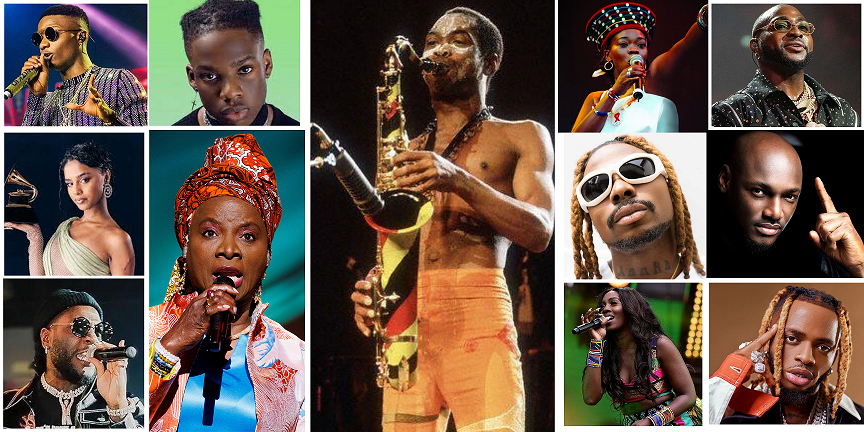
Several African musicians have become international ambassadors for the continent’s music industry. Nigerian artists such as Burna Boy, Wizkid, Davido, Tems, Ayra Starr, and Rema have achieved worldwide recognition through chart-topping songs and international collaborations.
Similarly, South Africa has captured global attention through Amapiano. Artists including Tyla, Kabza De Small, DJ Maphorisa, and Uncle Waffles have helped popularize the genre across continents. Tyla’s international success, in particular, demonstrates how African artists can create music that resonates with audiences regardless of language or geography.
Meanwhile, East African musicians continue to expand their international reach. Artists from Tanzania, Kenya, Uganda, and other countries are increasingly collaborating with global stars while preserving their distinctive musical identities.
Importantly, these artists represent different cultures and languages, proving that diversity is one of Africa’s greatest creative strengths.
International Collaborations Are Opening New Doors
Collaboration has become one of the strongest drivers of Africa’s global musical influence. African artists now regularly work alongside internationally recognized performers, producers, and songwriters.
These partnerships benefit everyone involved. International artists gain access to fresh sounds and vibrant rhythms, while African musicians expand their fan base and strengthen their global visibility.
Moreover, producers from Africa are becoming highly sought-after for their unique production styles. Their ability to blend traditional instruments with contemporary beats has influenced pop, hip-hop, R&B, dance music, and electronic music worldwide.
As a result, African sounds are no longer viewed as niche influences, they have become central to contemporary global music.
African Culture Takes Center Stage
The global success of African musicians extends beyond music alone. Fashion, dance, language, hairstyles, and cultural traditions have gained greater international appreciation through music videos, live performances, and social media.
For example, African dance styles regularly inspire viral online trends. Likewise, traditional clothing, fabrics, and accessories frequently appear in music videos and award show appearances, encouraging international audiences to explore African fashion and craftsmanship.
Additionally, many artists proudly incorporate indigenous languages into their lyrics. Rather than limiting their appeal, these linguistic choices have enhanced authenticity and sparked curiosity among global listeners.
Consequently, African musicians have become cultural ambassadors who showcase the continent’s rich heritage to millions around the world.
The Economic Impact of Global Success
The international growth of African music has generated significant economic opportunities. Streaming revenue, international tours, brand endorsements, publishing rights, merchandise sales, and festival performances now contribute substantially to artists’ incomes. Beyond individual success, these achievements create employment for producers, sound engineers, dancers, videographers, fashion designers, managers, marketers, and event organizers.
Furthermore, music tourism has emerged as a growing sector. Festivals and concerts across Africa attract thousands of international visitors who wish to experience the continent’s vibrant entertainment scene firsthand.
Governments and private investors are also beginning to recognize the creative economy as a major driver of national development. Consequently, increased investment in recording studios, talent development, music education, and digital infrastructure could further strengthen Africa’s position in the global music industry.
Challenges That Remain
Despite remarkable progress, African musicians continue to face important challenges. Copyright enforcement remains inconsistent in many countries, reducing potential earnings for creators. In addition, limited infrastructure, inadequate funding, and unequal access to international markets still hinder many emerging artists.
Furthermore, some musicians struggle to maintain ownership of their intellectual property when negotiating contracts with international partners. Therefore, stronger legal protections and better industry education remain essential.
Another challenge involves ensuring that success is shared across the continent rather than concentrated in only a few countries or cities. Supporting artists from diverse regions will help showcase Africa’s full musical richness.
The Future of African Music
The future looks exceptionally promising. Artificial intelligence, virtual concerts, blockchain technology, and direct-to-fan platforms are creating new opportunities for independent musicians. At the same time, younger artists are blending traditional African sounds with contemporary genres in increasingly innovative ways.
Moreover, international audiences are becoming more open to multilingual music, making language less of a barrier than ever before. This trend allows artists to remain authentic while reaching global listeners.
Educational institutions, music academies, and industry organizations are also expanding training opportunities for young creatives. As more professionals develop expertise in production, songwriting, marketing, and artist management, Africa’s music ecosystem will continue to mature.
Conclusion
African musicians have transformed from regional stars into influential global entertainers whose impact reaches far beyond music. Through creativity, resilience, and digital innovation, they have introduced the world to fresh sounds, powerful stories, and vibrant cultures.
More importantly, their success has changed international perceptions of Africa, highlighting the continent as a hub of innovation, artistic excellence, and cultural leadership. As new talent continues to emerge, African music is poised not only to influence global entertainment but also to shape its future.
The story of African music is still being written. However, one thing is already certain: the continent’s artists are no longer following global trends, they are creating them.




Leave a reply




Africa’s Source for Breaking News | Entertainments | Health | Finance | Sports | Lifestyle and Business News.


