
Africa’s Most Influential Political Movements
Africa's Most Influential Political Movements
How Organized Struggles Shaped the Continent’s Past and Continue to Influence Its Future
Africa’s political history is defined by resilience, resistance, and the determination of its people to shape their own destiny. Throughout the twentieth century and into the present day, political movements have challenged colonial rule, dismantled oppressive systems, expanded democratic participation, and advocated for social justice. While some movements achieved immediate success, others continue to evolve as they respond to modern political and economic realities.
From anti-colonial liberation struggles to contemporary youth-led campaigns, Africa’s most influential political movements have transformed governments, inspired generations, and altered the global perception of the continent. Understanding these movements offers valuable insight into Africa’s political evolution and the challenges that remain today.
The Rise of Anti-Colonial Nationalist Movements
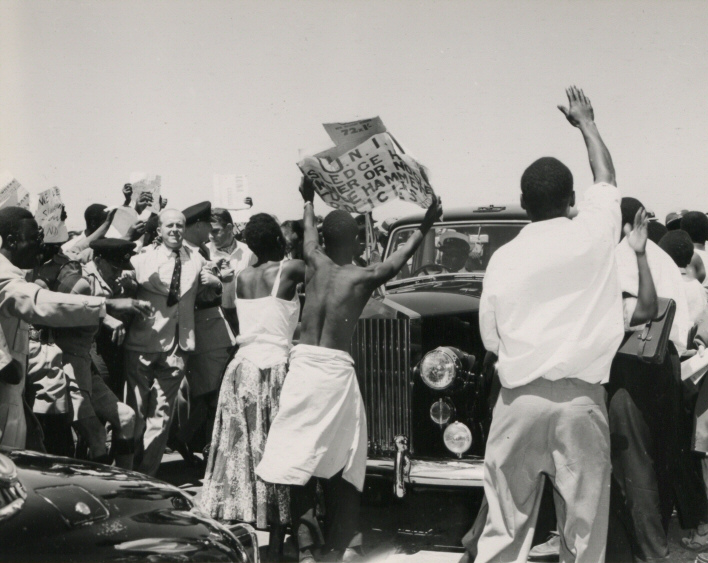
The most significant political movements in Africa emerged during the struggle against European colonial rule. Following the Second World War, nationalist organizations gained momentum across the continent as Africans demanded self-government and an end to foreign domination.
Leaders such as Kwame Nkrumah, Jomo Kenyatta, Julius Nyerere, and Patrice Lumumba became symbols of independence movements that united diverse ethnic and regional groups under a common vision of freedom.
Ghana’s independence in 1957 inspired liberation movements across Africa. Consequently, countries throughout West, East, Central, and Southern Africa accelerated their campaigns for self-rule. These nationalist movements not only secured independence but also established the foundations of modern African states.
The African National Congress and the Fight Against Apartheid
Few political organizations have had a greater impact on Africa than the African National Congress (ANC). Founded in 1912, the movement initially sought equal rights for Black South Africans through peaceful advocacy. However, as apartheid intensified, the ANC expanded its resistance through civil disobedience, international diplomacy, and armed struggle.
Figures such as Nelson Mandela, Oliver Tambo, and Walter Sisulu became internationally recognized symbols of justice and equality.
Eventually, decades of domestic resistance and global pressure led to the end of apartheid in 1994. South Africa’s first democratic elections demonstrated how sustained political movements could peacefully transform deeply divided societies.
Pan-Africanism: A Movement Beyond Borders
Unlike many political organizations that focused on individual countries, Pan-Africanism promoted unity among Africans everywhere. Its central belief was that political independence would be stronger if African nations cooperated economically, culturally, and diplomatically.
Influential thinkers including W. E. B. Du Bois, Marcus Garvey, and Kwame Nkrumah inspired generations to view Africa as a shared political and cultural community.
As a result, Pan-African ideals contributed to the establishment of the Organization of African Unity in 1963, which later evolved into the African Union. Today, these ideas continue to influence regional integration, trade agreements, and collective responses to continental challenges.
Liberation Movements in Southern Africa
Southern Africa witnessed some of the continent’s longest and most determined liberation struggles. In Zimbabwe, the Zimbabwe African National Union (ZANU) and the Zimbabwe African People’s Union (ZAPU) fought against minority rule. Meanwhile, Mozambique’s FRELIMO movement and Angola’s MPLA led armed struggles that eventually secured independence from Portuguese colonial rule.
Similarly, Namibia’s SWAPO movement became central to the country’s successful independence campaign after years of political resistance and international support.
These liberation movements demonstrated that political organization, international solidarity, and persistent resistance could overcome deeply entrenched colonial systems.
Pro-Democracy Movements and the Return to Multiparty Politics
By the late 1980s and early 1990s, many African nations faced growing public dissatisfaction with one-party governments and military regimes. Citizens increasingly demanded constitutional reforms, free elections, judicial independence, and greater political accountability.
Countries including Zambia, Benin, Ghana, and Malawi experienced significant democratic transitions during this period. Civil society organizations, religious institutions, journalists, and student groups played essential roles in mobilizing public support for political reform.
Although democratic progress has varied across the continent, these movements expanded political participation and strengthened public expectations for transparent governance.
Youth-Led Political Movements in the Digital Age
Today’s political activism increasingly relies on technology and social media. Young Africans are using digital platforms to organize protests, monitor elections, expose corruption, and advocate for policy reforms.
Several influential movements illustrate this transformation:
- Nigeria’s #EndSARS movement highlighted concerns about police brutality and government accountability.
- Sudan’s pro-democracy movement contributed to the removal of long-time ruler Omar al-Bashir after months of sustained demonstrations.
- Senegal’s youth activism has significantly influenced national political discourse and electoral participation.
- Uganda has witnessed increased youth engagement through music, online campaigns, and grassroots mobilization.
Furthermore, smartphones and social media have enabled citizens to document events in real time, attract international attention, and coordinate nationwide campaigns more effectively than ever before.
Women’s Political Movements Across Africa
Women have played indispensable roles in Africa’s political development, although their contributions have often received less recognition.
Historical movements such as Nigeria’s Aba Women’s War of 1929 challenged colonial taxation and discrimination. More recently, women’s organizations across Liberia, Rwanda, Kenya, South Africa, and many other countries have advocated for peacebuilding, constitutional reform, gender equality, and increased political representation.
As a result, several African nations now rank among the world’s leaders in women’s parliamentary representation, demonstrating the lasting impact of organized advocacy.
Challenges Facing Modern Political Movements
Despite significant achievements, contemporary political movements continue to face numerous obstacles. These challenges include restrictions on freedom of expression, misinformation, political polarization, election-related violence, corruption, economic inequality, and youth unemployment. In some countries, governments have also introduced tighter controls on digital communication and public demonstrations.
Nevertheless, African civil society continues to innovate. Community organizations, independent media, legal advocacy groups, and regional institutions remain committed to strengthening democratic governance and protecting fundamental rights.
Looking Ahead
Africa’s political movements have consistently demonstrated the power of collective action. From independence struggles to modern digital activism, ordinary citizens have repeatedly shaped the continent’s political trajectory through courage, persistence, and organization.
Looking ahead, future movements will likely focus on issues such as climate justice, economic inclusion, youth employment, technological governance, electoral integrity, and regional cooperation. As Africa’s population continues to grow and become increasingly connected, citizen-led activism is expected to remain a powerful force in shaping the continent’s future.
Conclusion
The story of Africa’s most influential political movements is ultimately a story of determination and transformation. Whether confronting colonialism, apartheid, authoritarian rule, or contemporary governance challenges, these movements have consistently expanded opportunities for freedom, justice, and democratic participation.
Although the political landscape continues to evolve, the legacy of these movements serves as a reminder that meaningful change often begins with citizens who are willing to organize around a shared vision. Their achievements continue to inspire new generations working toward a more peaceful, prosperous, and inclusive Africa.



Leave a reply






Africa’s Source for Breaking News | Entertainments | Health | Finance | Sports | Lifestyle and Business News.


