
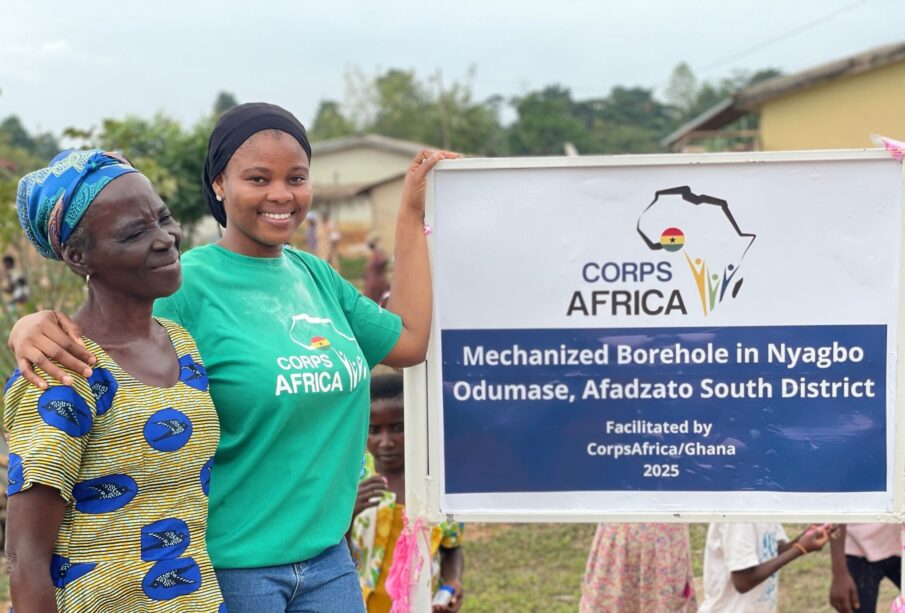
Africa's Most Inspiring Community Projects
Africa is home to thousands of remarkable community-led projects that are transforming lives every day.
While governments and international organizations play important roles in development, local communities often create the most lasting change. Across the continent, ordinary people are solving extraordinary challenges through collaboration, innovation, and determination.
From clean water initiatives and youth empowerment programs to environmental conservation and agricultural cooperatives, community projects demonstrate that sustainable development begins at the grassroots level. These initiatives not only improve living conditions but also strengthen social bonds and inspire future generations.
This article explores some of Africa’s most inspiring community projects and the lessons they offer for individuals, organizations, and policymakers.
Why Community Projects Matter
Community projects are initiatives planned and implemented by local people to address issues affecting their neighborhoods or regions. Because community members understand their own needs, these projects often produce practical and sustainable solutions.
Successful community projects can:
- Improve education and healthcare
- Create employment opportunities
- Increase food security
- Protect natural resources
- Promote gender equality
- Strengthen local economies
- Encourage civic participation
- Build resilience against climate change
Most importantly, these projects empower people to become active participants in shaping their own future.
Community-Led Agriculture Transforming Rural Areas
Agriculture remains the backbone of many African economies. Across the continent, farming cooperatives are helping small-scale farmers increase productivity while improving household incomes.
Many communities have established shared farming groups where members pool resources such as land, machinery, irrigation systems, and storage facilities. This cooperative approach reduces production costs and increases bargaining power when selling produce.
Farmers also exchange knowledge about:
- Climate-smart agriculture
- Organic farming techniques
- Water conservation
- Crop diversification
- Pest management
- Post-harvest storage
These collaborations reduce food waste and improve food security for entire communities.
Women’s Savings Groups Driving Financial Inclusion
Women’s savings groups have become one of Africa’s most successful community development models.
Members contribute small amounts of money regularly into a shared fund. Participants can then borrow from the fund to start businesses, pay school fees, cover medical expenses, or invest in farming.
These groups provide much more than financial support. They also create spaces where women:
- Learn business skills
- Receive financial education
- Build leadership abilities
- Support one another emotionally
- Advocate for community development
Many successful entrepreneurs began with small loans obtained through local savings groups.
Youth Empowerment Through Skills Training
Africa has one of the world’s youngest populations. Recognizing this opportunity, many communities have created youth centers focused on practical skills development.
Training often includes:
- Digital literacy
- Graphic design
- Coding
- Carpentry
- Fashion design
- Renewable energy installation
- Agriculture
- Entrepreneurship
These programs help young people gain valuable skills while reducing unemployment and encouraging innovation.
Many graduates eventually establish businesses that create additional jobs within their communities.
Clean Water Projects Improving Public Health
Access to clean water remains a challenge in some rural and underserved communities. Fortunately, local initiatives have transformed water access through innovative solutions.
Community members often work together to:
- Dig boreholes
- Build protected wells
- Install rainwater harvesting systems
- Construct water storage tanks
- Maintain community water points
Many projects also include hygiene education, teaching families about sanitation, safe water storage, and disease prevention.
Improved access to clean water reduces waterborne diseases, saves time spent collecting water, and allows children—especially girls—to spend more time in school.
Community Health Volunteers Saving Lives
Across Africa, trained community health volunteers bridge the gap between healthcare facilities and remote populations.
These volunteers educate residents about:
- Maternal health
- Child nutrition
- Vaccination
- Family planning
- Malaria prevention
- HIV awareness
- Hygiene practices
Because volunteers are trusted members of the community, they often reach families that formal healthcare systems struggle to serve.
Their efforts improve health outcomes while strengthening public confidence in healthcare services.
Environmental Conservation Led by Local Communities
Many African communities are actively protecting forests, wetlands, wildlife habitats, and coastlines.
Community conservation initiatives include:
- Tree planting campaigns
- Forest restoration
- Wildlife protection
- Sustainable fishing
- Waste recycling
- Community clean-up exercises
- Plastic reduction campaigns
These projects preserve biodiversity while creating eco-tourism opportunities and sustainable livelihoods.
Communities also educate children about environmental stewardship, ensuring future generations continue conservation efforts.
Community Libraries Expanding Educational Opportunities
Access to books remains limited in some rural areas. In response, communities have created small libraries using donated books and volunteer support.
These libraries provide:
- Reading materials
- Homework assistance
- Digital learning resources
- Literacy classes
- Career guidance
- Educational workshops
Many libraries also organize reading competitions and storytelling events that encourage children to develop a lifelong love of learning.
Renewable Energy Projects Powering Communities
Energy access is improving thanks to community-driven renewable energy projects.
Solar-powered initiatives now provide electricity for:
- Schools
- Health centers
- Community halls
- Small businesses
- Water pumping systems
- Street lighting
Reliable electricity supports education, healthcare, entrepreneurship, and overall economic development.
Many communities also train local technicians to maintain renewable energy systems, creating employment opportunities while ensuring long-term sustainability.
Waste Management Initiatives Creating Cleaner Cities
Rapid urbanization has increased waste management challenges across many African cities. Community organizations are responding with creative recycling and waste collection programs.
Some initiatives encourage households to separate waste before collection, while others convert recyclable materials into useful products such as:
- Furniture
- Building materials
- Decorative items
- Fashion accessories
- Art pieces
These projects improve sanitation while creating income-generating opportunities for local residents.
Community Education Programs Supporting Lifelong Learning
Learning extends beyond the classroom.
Across Africa, communities organize workshops covering topics such as:
- Financial literacy
- Nutrition
- Parenting
- Entrepreneurship
- Digital skills
- Climate adaptation
- Leadership
- Conflict resolution
These programs strengthen community resilience by equipping residents with practical knowledge for everyday life.
Disaster Preparedness Through Community Action
Communities vulnerable to floods, droughts, or other natural disasters increasingly organize preparedness initiatives.
Local volunteers help:
- Develop emergency response plans
- Conduct evacuation drills
- Establish early warning systems
- Protect water sources
- Store emergency supplies
- Educate residents about disaster risks
Prepared communities recover more quickly and experience fewer losses during emergencies.
What Makes Community Projects Successful?
Although projects differ across regions, the most successful initiatives share several characteristics.
Strong Local Leadership
Dedicated leaders inspire participation, coordinate activities, and maintain accountability.
Community Ownership
Projects succeed when residents actively participate in planning, implementation, and evaluation.
Inclusive Participation
Successful initiatives involve women, youth, older adults, people with disabilities, and other community groups to ensure diverse perspectives and equitable benefits.
Sustainable Funding
Many projects combine community contributions, partnerships, grants, and income-generating activities to remain financially sustainable.
Continuous Learning
Communities regularly assess progress, learn from challenges, and adapt strategies to changing circumstances.
Challenges Facing Community Projects
Despite impressive achievements, many initiatives face obstacles such as:
- Limited funding
- Inadequate infrastructure
- Climate change
- Limited technical expertise
- Volunteer burnout
- Policy barriers
- Economic instability
However, partnerships with governments, businesses, educational institutions, and non-governmental organizations can help overcome these challenges.
How Individuals Can Support Community Development
Everyone can contribute to stronger communities.
You can:
- Volunteer your skills and time.
- Support local businesses and cooperatives.
- Donate books, equipment, or educational materials.
- Mentor young entrepreneurs.
- Participate in environmental clean-up campaigns.
- Promote community initiatives on social media.
- Share knowledge through workshops and training.
- Encourage collaboration among local organizations.
Small contributions often create significant long-term impact.
The Future of Community Development in Africa
Africa’s future will be shaped not only by major infrastructure projects but also by the collective efforts of communities working together to solve local challenges. Advances in technology, improved internet access, and stronger regional collaboration are enabling communities to share ideas, attract funding, and scale successful solutions.
As more young people embrace entrepreneurship, innovation, and civic engagement, community-driven development is likely to become even more influential. These grassroots initiatives are building resilient communities that can adapt to economic, social, and environmental changes while preserving local values and culture.
Conclusion
Africa’s most inspiring community projects demonstrate the extraordinary power of collective action. Across cities, towns, and rural villages, people are creating lasting solutions to challenges in education, healthcare, agriculture, environmental conservation, and economic development.
These initiatives remind us that meaningful change often begins with ordinary individuals who are willing to work together for the common good. By supporting community-led projects and encouraging local participation, Africa can continue building stronger, healthier, and more prosperous communities for generations to come.




Leave a reply





Africa’s Source for Breaking News | Entertainments | Health | Finance | Sports | Lifestyle and Business News.


